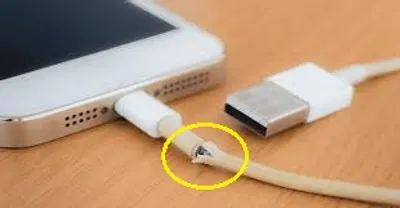
noun ダウンロード 🔗共有 欠陥品、不良品 A person or thing considered to be defective. Examples : "The company recalled the toy car because it contained a known defective that could pose a safety hazard to children. " その会社は、子供たちに安全上の危険をもたらす可能性のある既知の欠陥が含まれていたため、そのおもちゃの車を回収しました。 person thing quality condition toeic AIとチャット語彙ゲーム読解練習
adjective ダウンロード 🔗共有 欠陥のある, 不良の Having one or more defects. Examples : "The new computer monitor was defective; it wouldn't turn on. " 新しいコンピューターモニターは不良品で、電源が入りませんでした。 quality condition technical toeic AIとチャット語彙ゲーム読解練習
adjective ダウンロード 🔗共有 活用が不完全な (grammar, of a lexeme, especially a verb) Lacking some forms; e.g., having only one tense or being usable only in the third person. Examples : "The student's grammar textbook contained examples of a defective verb, one that only existed in the past tense form. " 生徒の文法教科書には、過去形でのみ存在する活用が不完全な動詞の例が載っていました。 grammar language linguistics toeic AIとチャット語彙ゲーム読解練習
adjective ダウンロード 🔗共有 活用語尾が弱い (Arabic grammar, of a verb) Having a root whose final consonant is weak (ي, و, or ء). Examples : "The Arabic verb "safa" (to travel) is defective because its root consonant "f" is followed by a weak "a" (the vowel). " アラビア語の動詞「safa」(旅行する)は、語根の子音「f」の後に弱い「a」(母音)が続くため、活用語尾が弱い動詞です。 grammar language linguistics toeic AIとチャット語彙ゲーム読解練習