没入型のビジュアルとAIで語彙をマスター
八音節の詩行
""Roses are red, violets are blue" is a classic example of an octosyllable. "
「バラは赤く、スミレは青い」は八音節の詩行の典型的な例です。
並列, 連結
"The coordination of the two clauses, "I went to the store," and "I bought milk," creates a complete sentence. "
「私は店に行った」と「牛乳を買った」という2つの節の連結は、完全な文を作ります。
誤字、重複
"The professor marked the student's essay down for several dittographies; the phrase "critical thinking" appeared twice in a row in multiple places. "
教授は、学生のエッセイにいくつかの誤字があったため減点しました。「クリティカルシンキング」というフレーズが複数の箇所で2回続けて出現していました。
中立の
"The teacher's feedback on my essay was neutral; she didn't praise or criticize it. "
先生の私のエッセイへのフィードバックは中立的で、彼女はそれを褒めも批判もしませんでした。
除く, 例外とする
"The teacher except for students who already completed the project. "
先生はすでにプロジェクトを完了した生徒を除外しました。
最後の
"The ultimate syllable in the word "basketball" is "ball". "
単語「basketball」の最後の音節は「ball」です。
彼らのもの
"The children finished their homework, and they put theirs away. "
子供たちは宿題を終え、自分たちのものを片付けました。
とても、非常に
"The test was v easy. "
テストはとても簡単でした。
付加疑問文
"The teacher explained that a tag question, like "It's easy, isn't it?", seeks confirmation from the listener. "
先生は、「簡単ですよね?」のような付加疑問文は、聞き手からの確認を求めるものだと説明しました。
隣接した、対になった
"The two desks were apposite, facing each other to encourage collaboration. "
コラボレーションを促すために、2つの机は向かい合わせに配置されていました。
宣言
"The teacher collected the students' declaratives of their chosen research topics at the end of class. "
先生は授業の終わりに、生徒たちが選んだ研究テーマの宣言を集めました。
合う, 適する
"The new schedule is suiting our needs much better than the old one. "
新しいスケジュールは、古いスケジュールよりもずっと私たちのニーズに適しています。
動詞的表現、動詞派生語
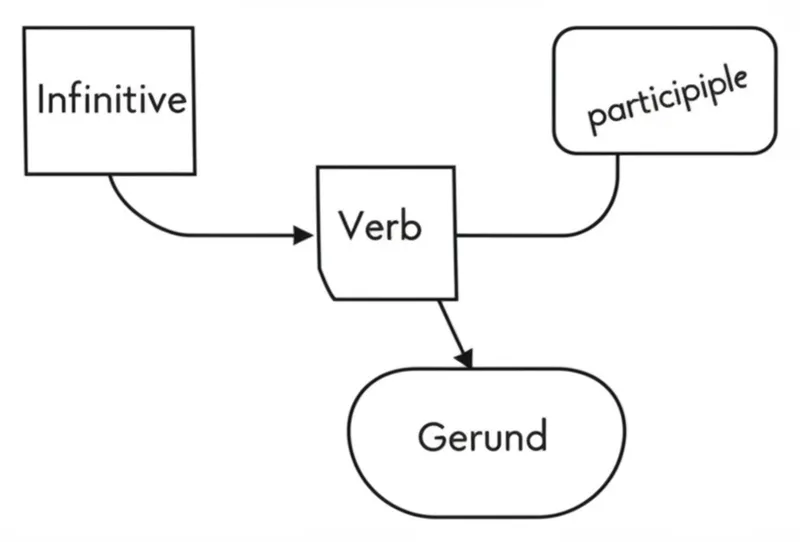
"The sentence "My brother's favorite verbal is the gerund 'studying.'" correctly uses "verbal" as a noun. "
「私の兄のお気に入りの動詞的表現は、動名詞の「勉強すること」です」という文は、「動詞的表現」を名詞として正しく使用しています。
~ように, ~ために
"I am saving money bc I want to buy a new bicycle. "
新しい自転車を買うために、お金を貯めています。
呼吸記号
"The ancient Greek texts were difficult to read because they lacked breathings, requiring the reader to guess where to aspirate certain vowels. "
古代ギリシャのテキストは呼吸記号が欠けていたため読みにくく、読者は特定の母音をどこで発音するか推測する必要がありました。
ブリーブ
"The music teacher showed the students how to place the rocker below the note to indicate a short duration. "
音楽の先生は、短い音符の長さを表すために音符の下にブリーブを置く方法を生徒たちに教えました。
過去完了
"Understanding the difference between past perfect and simple past can be tricky, so focusing on pluperfects in grammar class often involves comparing them in sentences to highlight the order of events. "
過去完了と単純過去の違いを理解するのは難しい場合があります。そのため、文法クラスで過去完了に焦点を当てることは、出来事の順序を強調するために文中で比較することがよくあります。
余分な音節
"In the Latin verb "amabam," the syllable "-bam" is an increment because it's not present in the nominative singular form "amo." "
ラテン語の動詞「amabam」では、音節「-bam」は、主格単数形「amo」に存在しないため、余分な音節です。
過去形
"The past tense of the verb "eat" is "ate." "
動詞「eat」の過去形は「ate」です。
大文字
"My teacher told us to write the title of our essay in capital letters. "
先生は私たちにエッセイのタイトルを大文字で書くように言いました。