interjection ダウンロード 🔗共有 ああ、故人よ Used to profess respect for a deceased person, or for something that has been lost. Examples : "Our old neighborhood park, where we spent our childhoods playing, is being torn down to build apartments. F. " 子供時代を過ごした古い近所の公園が、アパートを建てるために取り壊されています。ああ、故人よ。 culture exclamation tradition AIとチャット語彙ゲーム読解練習
interjection ダウンロード 🔗共有 しまった, ああ Used to express regret or disappointment about an unfortunate event or piece of information. Examples : "F, I forgot my lunch at home! " しまった、お昼ご飯を家に忘れてきた! emotion language exclamation AIとチャット語彙ゲーム読解練習
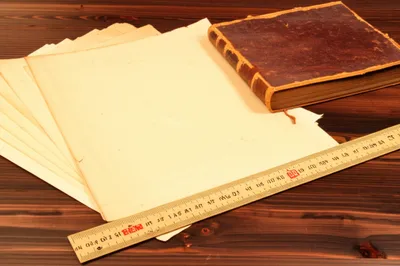
noun ダウンロード 🔗共有 判型、紙と本のサイズ (abbreviation) Folio, paper and book size (10"-12.5" x 15"-20") Examples : "The rare, antique book was quite large, measuring in the f, or folio, size category. " その珍しい古書はかなり大きく、判型、つまり紙と本のサイズに分類されました。 stationery material AIとチャット語彙ゲーム読解練習
noun ダウンロード 🔗共有 女性 That which is feminine. Examples : "The artist explored the concept of the feminine in her latest sculpture. " その芸術家は、最新の彫刻で女性という概念を探求した。 sex being human AIとチャット語彙ゲーム読解練習
noun ダウンロード 🔗共有 女 (possibly obsolete) A woman. Examples : "While rare and potentially offensive today, in old literature, a "f" might refer to a woman, as in: "The old manuscript described the queen as a noble f." " 今日では珍しく、場合によっては不快な表現ですが、古い文献では「女」は女性を指すことがありました。例えば、「古い写本は女王を高貴な女として描写していた」。 person human AIとチャット語彙ゲーム読解練習
noun ダウンロード 🔗共有 女性 (grammar) The feminine gender. Examples : "In Spanish class, we learned that "la" is an article used before nouns of the f (feminine gender). " スペイン語の授業で、「la」は女性名詞の前に使われる冠詞だと学びました。 grammar language linguistics AIとチャット語彙ゲーム読解練習
noun ダウンロード 🔗共有 女性名詞 (grammar) A word of the feminine gender. Examples : "In French class, we learned that "la table" is an f, because it is a feminine noun. " フランス語の授業で、「la table」は女性名詞なので、女性名詞だと学びました。 grammar language linguistics word AIとチャット語彙ゲーム読解練習