

eunuch
Meanings

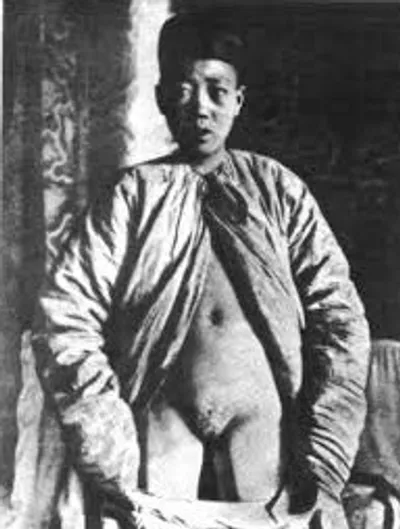


Examples :
"In some ancient courts, a powerful official might be described in translated texts as a "eunuch," suggesting he was not expected to marry or have children, allowing him to focus solely on his duties to the emperor. "
古代の宮廷では、翻訳されたテキストの中で、有力な役人が「去勢された男性」と表現されることがあり、結婚や子供を持つことが期待されておらず、皇帝への義務に専念できたことを示唆していました。
Related Words

suggesting verb
/səˈdʒɛstɪŋ/ /səˈdʒɛstɪn/
ほのめかす, 示唆する


translated verb
/tɹɑːnzˈleɪtɪd/ /ˈtɹænsleɪtɪd/
翻訳する



monarchies noun
/ˈmɒnərkiz/ /ˈmɑːnɑːrkiz/
君主制
"Several European monarchies have recently experienced political instability. "
最近、いくつかのヨーロッパの君主制が政治的不安定を経験しています。