

noun🔗Shareユーモア, おかしさThe quality of being amusing, comical, funny."She has a great sense of humour, and I always laugh a lot whenever we get together."彼女はユーモアのセンスが素晴らしく、私たちは会うたびにいつもよく笑います。qualitycharacterentertainmentliteratureChat with AIVocabulary GamePractice Reading
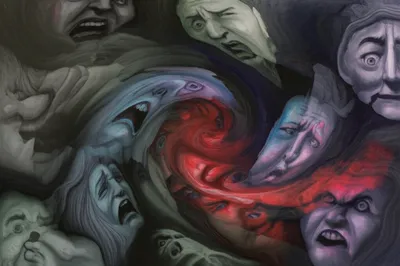
noun🔗Share気分, 気まぐれ, むら気A mood, especially a bad mood; a temporary state of mind or disposition brought upon by an event; an abrupt illogical inclination or whim."He was in a particularly vile humour that afternoon."彼はその日の午後、特に不機嫌な気分だった。mindattitudecharacteremotionChat with AIVocabulary GamePractice Reading
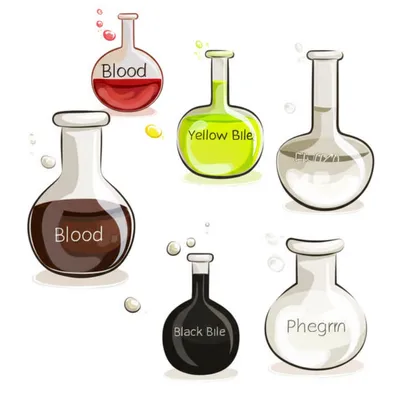
noun🔗Share体液Any of the fluids in an animal body, especially the four "cardinal humours" of blood, yellow bile, black bile and phlegm that were believed to control the health and mood of the human body."The medieval doctor believed that an imbalance in the body's humours caused Sarah's persistent cough and gloomy mood. "中世の医者は、体内の体液の不均衡がサラの持続的な咳と陰鬱な気分を引き起こしたと信じていた。bodymedicinephysiologytheoryhistoryhumansubstanceChat with AIVocabulary GamePractice Reading
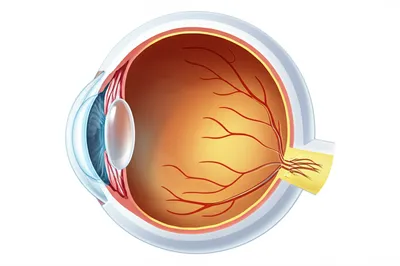
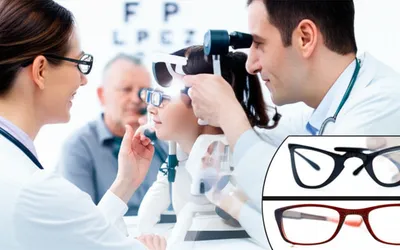
noun🔗Share房水と硝子体Either of the two regions of liquid within the eyeball, the aqueous humour and vitreous humour."The ophthalmologist checked the humours of my eye to ensure they were clear and healthy. "眼科医は、私の目の房水と硝子体が透明で健康であることを確認しました。anatomyphysiologybodymedicineorganChat with AIVocabulary GamePractice Reading
noun🔗Share水分、湿気Moist vapour, moisture."The humid air in the classroom contained a noticeable amount of humours. "教室の湿った空気には、かなりの水分が含まれていた。physiologymedicinebodyChat with AIVocabulary GamePractice Reading
verb🔗Share機嫌を取る, 宥めるTo pacify by indulging."To get her son to stop arguing, the mother humored him by letting him choose the movie for the evening. "息子が言い争いをやめるように、母親は彼にその晩の映画を選ばせることで機嫌を取った。attitudehumancharactermindemotionChat with AIVocabulary GamePractice Reading