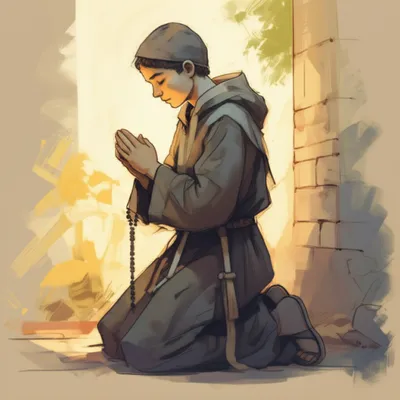
noun ダウンロード 🔗共有 オブラート, 修道士 A person dedicated to a life of religion or monasticism, especially a member of an order without religious vows or a lay member of a religious community. Examples : "Sister Agnes helps care for the sick at the hospital; although she isn't a fully professed nun, she lives and works with the Benedictine sisters as an oblate. " アグネス修道女は病院で病人の世話をしています。彼女は正式な修道女ではありませんが、ベネディクト会の修道女たちとオブラートとして生活し、働いています。 religion person group AIとチャット語彙ゲーム読解練習
noun ダウンロード 🔗共有 両親によって宗教団体または家に預けられた子供 A child given up by its parents into the keeping or dedication of a religious order or house. Examples : "Growing up in the monastery, Thomas knew he was an oblate, dedicated to the religious order by his family when he was a baby. " 修道院で育ったトーマスは、自分がオブレートであり、赤ちゃんの頃に家族によって宗教団体に献身されたことを知っていました。 religion family person theology history AIとチャット語彙ゲーム読解練習
adjective ダウンロード 🔗共有 扁平な、両極で押しつぶされた Flattened or depressed at the poles. Examples : "1922, Why should I not speak to him or to any human being who walks upright upon this oblate orange? — James Joyce, Ulysses" 1922年、なぜ私は彼や、この扁平なオレンジの上をまっすぐに歩く人間と話してはいけないのだろうか?— ジェームズ・ジョイス、ユリシーズ appearance physics astronomy math figure AIとチャット語彙ゲーム読解練習
verb ダウンロード 🔗共有 捧げる, 献上する To offer as either a gift or an oblation. Examples : "The farmer decided to oblate his best harvest to the local church as a sign of gratitude. " 農夫は感謝の印として、最高の収穫物を地元の教会に献上することに決めた。 religion ritual theology AIとチャット語彙ゲーム読解練習