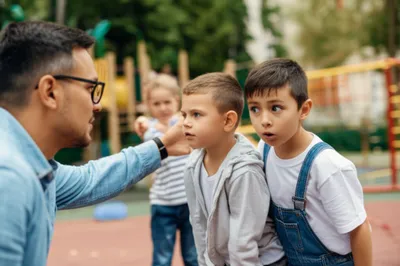
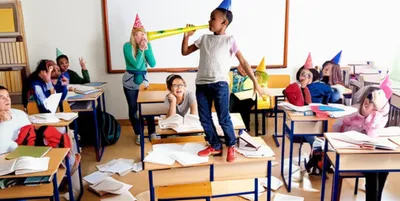
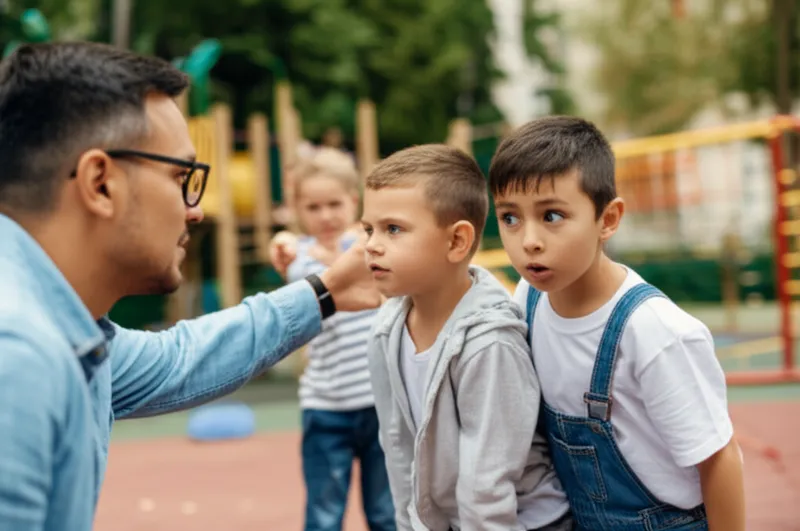
noun ダウンロード 🔗共有 密告者, 言いつけ屋 A tattletale. Examples : "The tattle was a problem in the classroom; he was always telling the teacher about other students' misbehavior. " 密告者は教室の問題でした。彼はいつも他の生徒の悪い行いを先生に話していました。 character person attitude moral AIとチャット語彙ゲーム読解練習
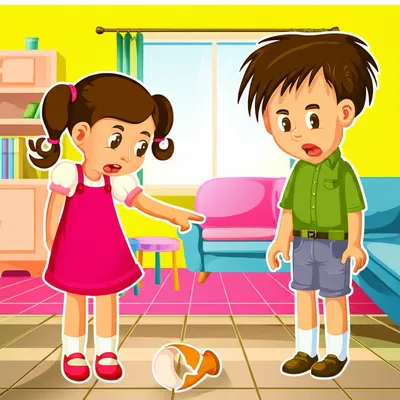
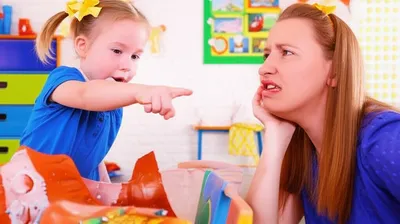
noun ダウンロード 🔗共有 密告, 言いふらし Often said of children: a piece of incriminating information or an account of wrongdoing that is said about another person. Examples : "The teacher heard a tattle about Sarah not finishing her homework. " 先生は、サラが宿題を終えていないという密告を聞いた。 communication word action family person character AIとチャット語彙ゲーム読解練習
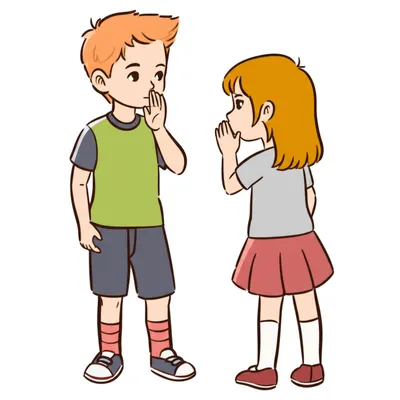
noun ダウンロード 🔗共有 おしゃべり, 噂話 Idle talk; gossip; an instance of such talk or gossip. Examples : "The office break room was filled with the usual morning tattle about weekend plans and office rumors. " オフィスの休憩室は、週末の計画やオフィスの噂話など、いつもの朝のおしゃべりでいっぱいだった。 communication language character society action AIとチャット語彙ゲーム読解練習
verb ダウンロード 🔗共有 おしゃべりする, 告げ口をする To chatter; to gossip. Examples : "The students were tattling about who ate the last cookie in the classroom. " 生徒たちは、教室で最後のクッキーを食べたのが誰かについておしゃべりをしていました。 communication language word character society action human AIとチャット語彙ゲーム読解練習
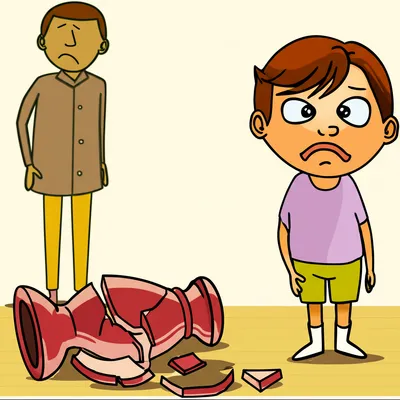
verb ダウンロード 🔗共有 告げ口をする, 密告する Often said of children: to report incriminating information about another person, or a person's wrongdoing; to tell on somebody. Examples : "My little brother tattle-taled on me for taking his cookie. " 弟は僕がクッキーを取ったことを告げ口した。 communication action character moral society family education AIとチャット語彙ゲーム読解練習
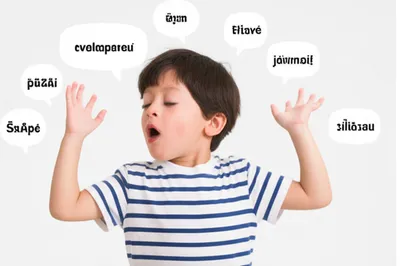
verb ダウンロード 🔗共有 ぺちゃくちゃ話す, ちくる To speak like a baby or young child; to babble, to prattle; to speak haltingly; to stutter. Examples : "The little boy tattled about his sister taking his toy. " その男の子は、妹がおもちゃを取ったことをちくりました。 language communication AIとチャット語彙ゲーム読解練習