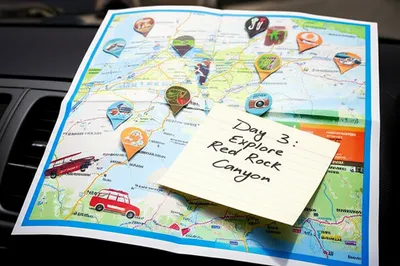




noun🔗Share浮浪者, 流れ者A person on a trip of indeterminate destination and/or length of time."After graduation, Sarah became a vagabond, traveling across Europe with no fixed itinerary or return date. "卒業後、サラは浮浪者となり、決まった旅程や帰国日もなくヨーロッパを旅しました。personplaceChat with AIVocabulary GamePractice Reading
noun🔗Share浮浪者, 流れ者One who wanders from place to place, having no fixed dwelling, or not abiding in it, and usually without the means of honest livelihood; a vagrant; a hobo."After losing his job, he became a vagabond, traveling from town to town and sleeping wherever he could find shelter. "彼は職を失った後、浮浪者となり、町から町へと旅をし、避難できる場所で寝泊まりしました。personcharactersocietyjobChat with AIVocabulary GamePractice Reading
verb🔗Share放浪する, さまようTo roam, as a vagabond"After losing his job, he began to vagabond around the country, working odd jobs and sleeping under the stars. "彼は職を失った後、奇妙な仕事をし、星空の下で寝ながら、国中を放浪し始めた。actionwaycharacterpersonChat with AIVocabulary GamePractice Reading
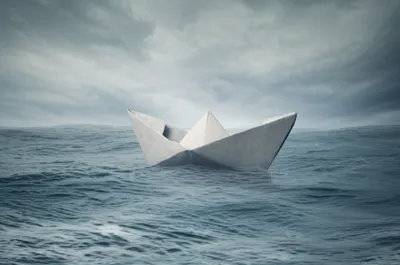
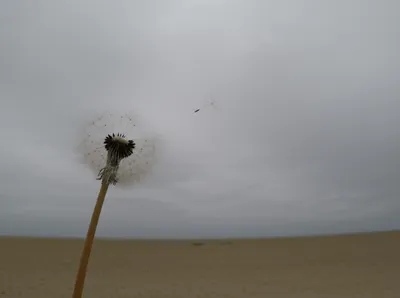
adjective🔗Share放浪の, さすらうFloating about without any certain direction; driven to and fro."The vagabond balloon, freed from the child's hand, drifted aimlessly across the park. "子供の手から解放された放浪の風船は、公園をあてもなく漂っていました。characterpersonattitudeChat with AIVocabulary GamePractice Reading