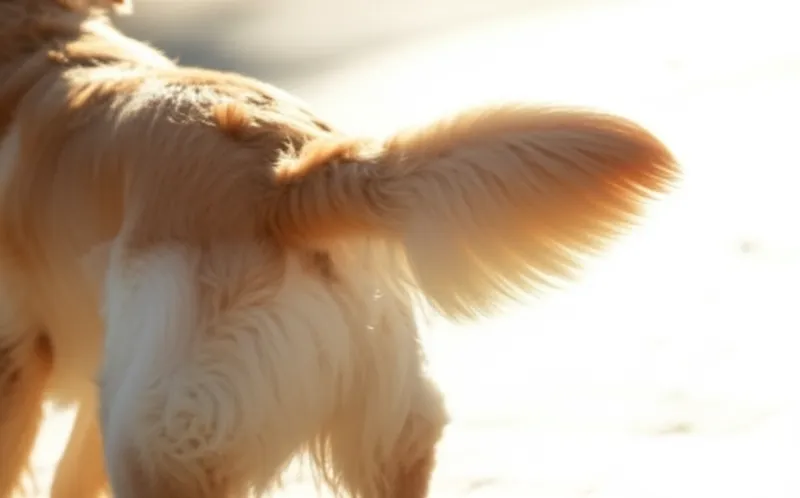
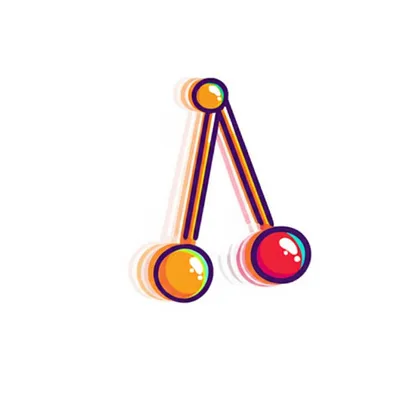
noun ダウンロード 🔗共有 揺れ, 振れ An oscillating movement. Examples : "The dog's happy wag of the tail showed he was excited for his walk. " 犬の嬉しそうな尻尾の揺れは、彼が散歩を楽しみにしていることを示しました。 action way AIとチャット語彙ゲーム読解練習
noun ダウンロード 🔗共有 道化師, 冗談家 A witty person. Examples : "My sister is a real wag; she always has a funny story to tell. " 私の妹は本当に冗談家で、いつも面白い話があります。 person character entertainment AIとチャット語彙ゲーム読解練習
verb ダウンロード 🔗共有 振る, 揺らす To swing from side to side, such as of an animal's tail, or someone's head, to express disagreement or disbelief. Examples : "The dog's tail would wag excitedly whenever he saw his owner come home. " 犬は飼い主が帰宅するたびに、興奮して尻尾を振った。 body action animal communication AIとチャット語彙ゲーム読解練習
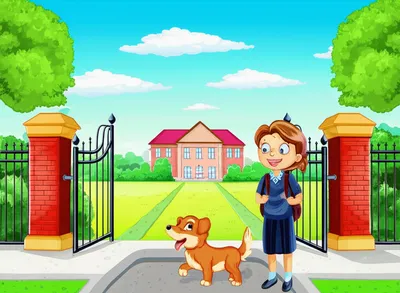
verb ダウンロード 🔗共有 さぼる, サボる To play truant from school. Examples : "Tommy wagged school today because he felt sick. " トミーは気分が悪かったので、今日は学校をサボりました。 education action AIとチャット語彙ゲーム読解練習
verb ダウンロード 🔗共有 動く, 揺れる To be in action or motion; to move; progress. Examples : "The construction crew watched as the heavy equipment began to wag, preparing to lift the steel beam into place. " 建設作業員は、重機が動き始め、鉄骨梁を所定の位置に持ち上げる準備をするのを見ていた。 action way AIとチャット語彙ゲーム読解練習
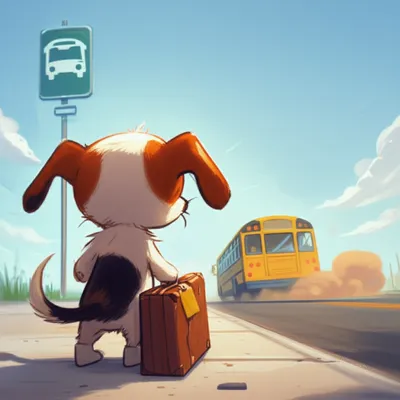
verb ダウンロード 🔗共有 行く, 出発する To go; to depart. Examples : "The dog wagged its tail and then wagged its way out of the park. " 犬は尻尾を振ってから、公園から出て行った。 action way AIとチャット語彙ゲーム読解練習