noun 다운로드 🔗공유 치경 자음 An alveolar consonant Examples : ""In English, 't' and 'd' are alveolar sounds because the tongue touches the alveolar ridge behind the upper teeth to pronounce them." " 영어에서 't'와 'd'는 혀가 발음을 위해 윗니 뒤의 치조제를 터치하기 때문에 치경 자음입니다. phonetics language linguistics AI와 채팅어휘 게임독해 연습
adjective 다운로드 🔗공유 폐포의, 치조의 Of or relating to an alveolus. Examples : "The doctor examined the patient's alveolar sacs to check for any damage. " 의사는 손상 여부를 확인하기 위해 환자의 폐포낭을 검사했다. anatomy physiology medicine biology AI와 채팅어휘 게임독해 연습
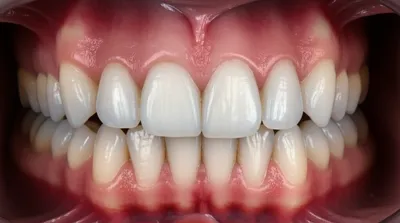
adjective 다운로드 🔗공유 치조의, 이틀에 관련된 Relating to the jaw ridge containing the tooth sockets. Examples : "The dentist examined the patient's alveolar bone to check for bone loss around the teeth. " 치과 의사는 치아 주변의 뼈 손실을 확인하기 위해 환자의 치조골을 검사했습니다. anatomy physiology medicine biology organ linguistics phonetics AI와 채팅어휘 게임독해 연습
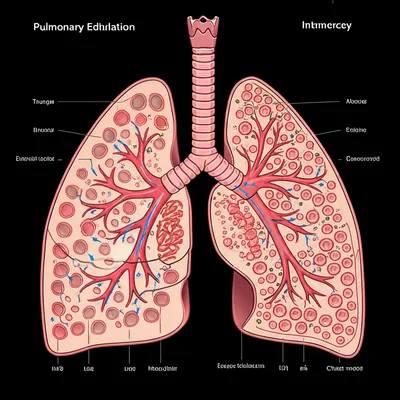
adjective 다운로드 🔗공유 폐포와 관련된 Relating to the alveoli (small air sacs) of the lungs. Examples : "The doctor explained that the patient's alveolar sacs were inflamed, making breathing difficult. " 의사는 환자의 폐포가 염증을 일으켜 호흡이 어려워졌다고 설명했다. anatomy physiology medicine biology organ body AI와 채팅어휘 게임독해 연습
adjective 다운로드 🔗공유 치조의 Formed with the tongue touching or approaching the inner ridge of the gums of the upper front teeth. Examples : "When pronouncing the sounds "t" and "d," your tongue makes an alveolar contact just behind your upper teeth. " t'와 'd' 소리를 발음할 때, 당신의 혀는 윗니 바로 뒤에서 치조 접촉을 합니다. phonetics language linguistics AI와 채팅어휘 게임독해 연습