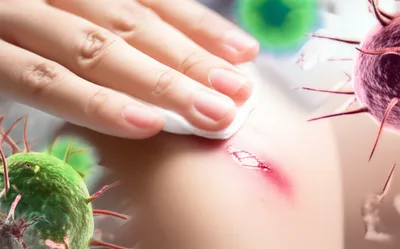


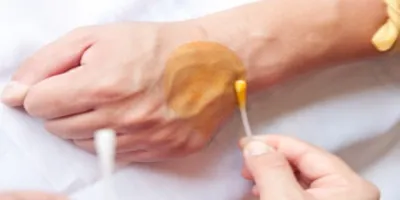




noun🔗Share방부제Any substance that inhibits the growth and reproduction of microorganisms. Generally includes only those that are used on living objects (as opposed to disinfectants) and aren't transported by the lymphatic system to destroy bacteria in the body (as opposed to antibiotics)."The nurse used an antiseptic to clean the cut on the boy's knee before applying the bandage. "간호사는 붕대를 붙이기 전에 소년의 무릎에 난 상처를 소독하기 위해 방부제를 사용했다.medicinesubstancechemistrymicroorganismbiologybiochemistryChat with AIVocabulary GamePractice Reading
adjective🔗Share방부성의, 소독성의Of, or relating to antisepsis, or the use of antiseptics."The doctor used an antiseptic solution to clean the wound. "의사는 상처를 소독하기 위해 방부성 용액을 사용했다.medicinebiologyChat with AIVocabulary GamePractice Reading
adjective🔗Share방부성의, 살균성의(pharmaceutical effect) Capable of preventing microbial infection."The doctor used an antiseptic solution to clean the cut before stitching it. "의사는 꿰매기 전에 상처를 소독하기 위해 방부성 용액을 사용했다.medicinemicroorganismChat with AIVocabulary GamePractice Reading
adjective🔗Share방부성의, 살균의Very clean; aseptic."The hospital room smelled clean and antiseptic, assuring visitors of the patients' safety. "병원 병실은 깨끗하고 살균된 냄새가 나서 방문객들에게 환자들의 안전을 안심시켰다.medicinebiologymicroorganismChat with AIVocabulary GamePractice Reading
adjective🔗Share불쾌하지 않은, 살균된, 정돈된Free of unpleasantness; prim, sanitized or bowdlerized."The teacher's presentation was antiseptic; it lacked any real spark or interesting anecdotes. "선생님의 발표는 불쾌하지 않았습니다. 실제적인 불꽃이나 흥미로운 일화가 부족했습니다.medicinecharacterattitudeChat with AIVocabulary GamePractice Reading