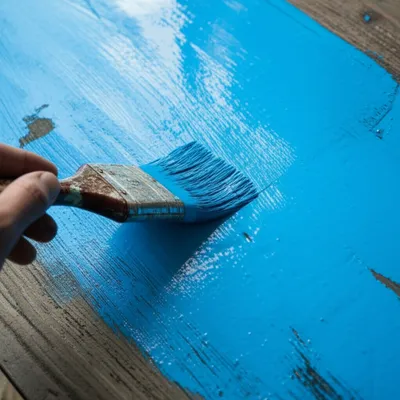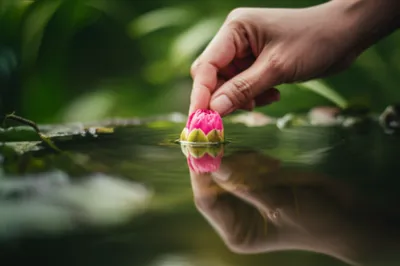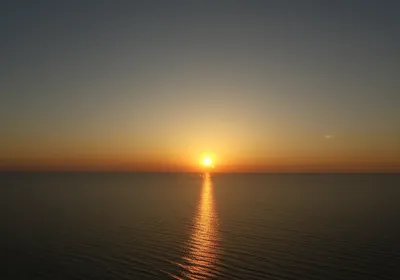



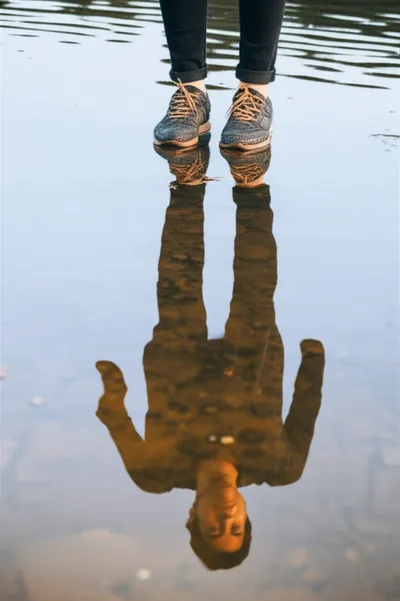

noun🔗Share표면The overside or up-side of a flat object such as a table, or of a liquid."Option 1 (Focus on table): "The child drew a picture on the surfaces of the wooden table." Option 2 (Focus on liquid): "In the science experiment, bubbles formed on the surfaces of the water." "Option 1: 아이는 나무 테이블 표면에 그림을 그렸다. Option 2: 과학 실험에서 물 표면에 거품이 생겼다.appearancematerialChat with AIVocabulary GamePractice Reading
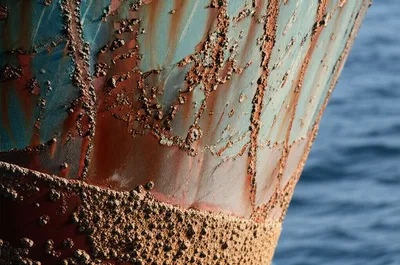
noun🔗Share표면The outside hull of a tangible object."The cleaning crew wiped down all the surfaces in the classroom after the children left. "청소반은 아이들이 떠난 후 교실의 모든 표면을 닦았습니다.partmaterialappearanceChat with AIVocabulary GamePractice Reading
noun🔗Share겉모습, 외관Outward or external appearance."On the surface, the spy looked like a typical businessman."겉으로는, 그 스파이는 전형적인 사업가처럼 보였다.appearanceChat with AIVocabulary GamePractice Reading
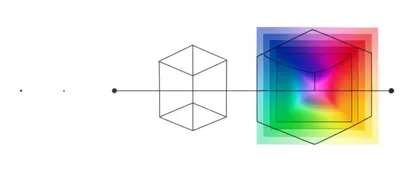
noun🔗Share표면The locus of an equation (especially one with exactly two degrees of freedom) in a more-than-two-dimensional space."Sentence: In advanced math, students study how equations create complex surfaces in three-dimensional space. "고급 수학에서 학생들은 방정식이 3차원 공간에서 어떻게 복잡한 표면을 만드는지 연구합니다.mathspaceChat with AIVocabulary GamePractice Reading
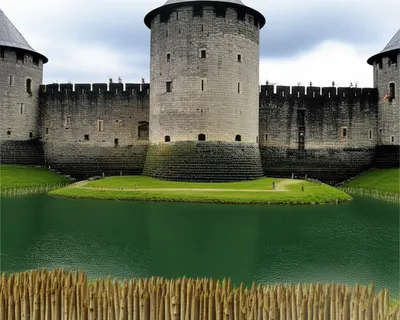
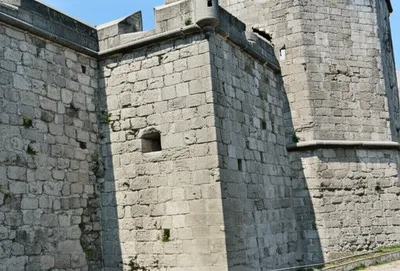
noun🔗Share표면(fortification) That part of the side which is terminated by the flank prolonged, and the angle of the nearest bastion."The defensive surfaces of the fort, crucial for repelling attacks, were carefully angled to maximize the effectiveness of flanking fire from the bastions. "공격을 격퇴하는 데 중요한 요새의 방어 표면은 보루에서 측면 사격의 효과를 극대화하기 위해 신중하게 각을 이루었습니다.militaryarchitecturepartChat with AIVocabulary GamePractice Reading
verb🔗Share표면을 입히다To provide something with a surface."The construction crew surfaces the new road with asphalt. "건설팀은 새 도로에 아스팔트 표면을 입힙니다.appearancematerialChat with AIVocabulary GamePractice Reading
verb🔗Share표면 처리하다, 덮다To apply a surface to something."The construction crew surfaces the road with asphalt to make it smoother. "건설팀은 도로를 더 매끄럽게 만들기 위해 아스팔트로 표면 처리합니다.materialbuildingChat with AIVocabulary GamePractice Reading
verb🔗Share수면으로 떠오르다, 나타나다To rise to the surface."After a long swim underwater, the diver surfaces for air. "오랜 수중 수영 후, 잠수부는 공기를 위해 수면으로 떠오른다.natureactionphysicsChat with AIVocabulary GamePractice Reading
verb🔗Share표면으로 나타나다, 떠오르다To bring to the surface."After a long day at work, stress often surfaces when I get home. "오랜 근무 후, 집에 오면 스트레스가 종종 표면으로 나타난다.actionprocessChat with AIVocabulary GamePractice Reading
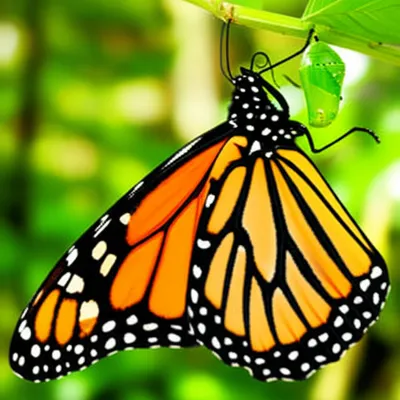
verb🔗Share나타나다, 드러나다To come out of hiding."After weeks of being lost, the cat finally surfaces from under the neighbor's porch. "몇 주 동안 길을 잃은 후, 고양이는 마침내 이웃의 현관 아래에서 나타났다.actioneventChat with AIVocabulary GamePractice Reading
verb🔗Share드러나다, 나타나다For information or facts to become known."New information about the project's budget finally surfaced. "프로젝트 예산에 대한 새로운 정보가 마침내 드러났다.infocommunicationmediaChat with AIVocabulary GamePractice Reading
verb🔗Share드러내다, 표면화하다To make information or facts known."The teacher surfaced the new assignment details during the morning announcements. "선생님은 아침 방송 시간에 새로운 과제 세부 사항을 드러냈다.communicationmediaChat with AIVocabulary GamePractice Reading
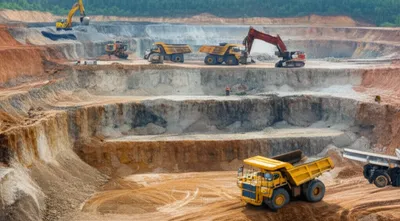
verb🔗Share지표면 근처에서 광산을 운영하다To work a mine near the surface.""The old mining company surfaces for gold on the hillside, using less invasive methods to minimize environmental impact." "오래된 광산 회사는 환경 영향을 최소화하기 위해 덜 침습적인 방법을 사용하여 언덕 기슭에서 금을 채굴합니다.geologyindustryworkChat with AIVocabulary GamePractice Reading
verb🔗Share나타나다, 드러나다To appear or be found."As the investigation continued, new evidence surfaces. "수사가 계속되면서 새로운 증거가 나타난다.appearanceeventactionChat with AIVocabulary GamePractice Reading