noun 다운로드 🔗공유 울음, 흐느낌 A shedding of tears; the act of crying. Examples : "After we broke up, I retreated to my room for a good cry." 우리가 헤어진 후, 나는 실컷 울기 위해 내 방으로 물러났다. emotion body human physiology sensation essential AI와 채팅어휘 게임독해 연습
noun 다운로드 🔗공유 비명, 외침 A shout or scream. Examples : "I heard a cry from afar." 나는 멀리서 비명을 들었다. sound communication exclamation emotion essential AI와 채팅어휘 게임독해 연습
noun 다운로드 🔗공유 외침, 비명 Words shouted or screamed. Examples : "a battle cry" 전투 함성. communication sound language word action emotion essential AI와 채팅어휘 게임독해 연습
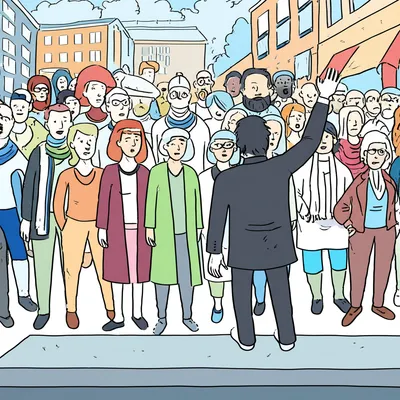
noun 다운로드 🔗공유 외침, 울부짖음 A clamour or outcry. Examples : "The angry cry of the students echoed through the school hallway. " 화난 학생들의 외침이 학교 복도에 울려 퍼졌다. sound language exclamation emotion communication essential AI와 채팅어휘 게임독해 연습
noun 다운로드 🔗공유 사냥개 무리 A group of hounds. Examples : "The hunting dog cry chased the rabbit across the field. " 사냥개의 무리가 토끼를 쫓아 들판을 가로질렀다. animal group essential AI와 채팅어휘 게임독해 연습
noun 다운로드 🔗공유 무리, 떼 (by extension) A pack or company of people. Examples : "The cry of students heading home after school was a noisy group. " 학교 후 집으로 향하는 학생들의 무리는 시끄러운 무리였다. group organization essential AI와 채팅어휘 게임독해 연습
noun 다운로드 🔗공유 울음소리 (of an animal) A typical sound made by the species in question. Examples : ""Woof" is the cry of a dog, while "neigh" is the cry of a horse." “멍멍”은 개의 울음소리이고, “히잉”은 말의 울음소리이다. animal sound essential AI와 채팅어휘 게임독해 연습
noun 다운로드 🔗공유 절규, 외침 A desperate or urgent request. Examples : "The student's cry for help was heard by the teacher. " 학생의 절규는 선생님에게 들렸다. communication demand action essential AI와 채팅어휘 게임독해 연습
noun 다운로드 🔗공유 소문, 유언비어 Common report; gossip. Examples : "The cry around the office was that the boss was going to retire. " 사무실 내 소문은 사장이 은퇴할 것이라는 것이었다. communication media language essential AI와 채팅어휘 게임독해 연습
verb 다운로드 🔗공유 울다, 흐느끼다 To shed tears; to weep. Examples : "That sad movie always makes me cry." 그 슬픈 영화는 항상 나를 울게 만든다. emotion body physiology sensation action human suffering essential AI와 채팅어휘 게임독해 연습
verb 다운로드 🔗공유 외치다, 소리치다 To utter loudly; to call out; to declare publicly. Examples : "The student cried out, "I finished the test!" " 학생은 "시험 끝났어요!"라고 외쳤다. communication language action sound essential AI와 채팅어휘 게임독해 연습
verb 다운로드 🔗공유 소리치다, 외치다 To shout, scream, yell. Examples : "The children cried out when the fire alarm went off. " 화재 경보가 울리자 아이들이 소리쳤다. communication sound language action essential AI와 채팅어휘 게임독해 연습
verb 다운로드 🔗공유 울부짖다, 소리치다 To utter inarticulate sounds, as animals do. Examples : "The baby cried softly, making little inarticulate sounds. " 아기는 작은 알아들을 수 없는 소리를 내며 부드럽게 울부짖었다. animal sound essential AI와 채팅어휘 게임독해 연습
verb 다운로드 🔗공유 울게 하다 To cause to do something, or bring to some state, by crying or weeping. Examples : "Her constant crying cried her parents into giving in and letting her stay home from school. " 그녀의 끊임없는 울음은 부모님을 울게 만들어 결국 그녀가 학교에 가지 않고 집에 머물도록 했다. emotion physiology action sensation human body essential AI와 채팅어휘 게임독해 연습
verb 다운로드 🔗공유 공표하다, 외치다 To make oral and public proclamation of; to notify or advertise by outcry, especially things lost or found, goods to be sold, etc. Examples : "to cry goods" 상품을 공표하다. communication language action sound essential AI와 채팅어휘 게임독해 연습
verb 다운로드 🔗공유 공표하다, 알리다 Hence, to publish the banns of, as for marriage. Examples : "The school announced they would cry the engagement of two students. " 학교는 두 학생의 약혼을 공표할 것이라고 발표했다. family communication language tradition essential AI와 채팅어휘 게임독해 연습