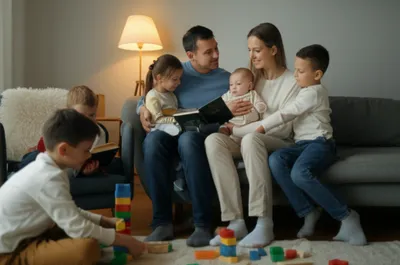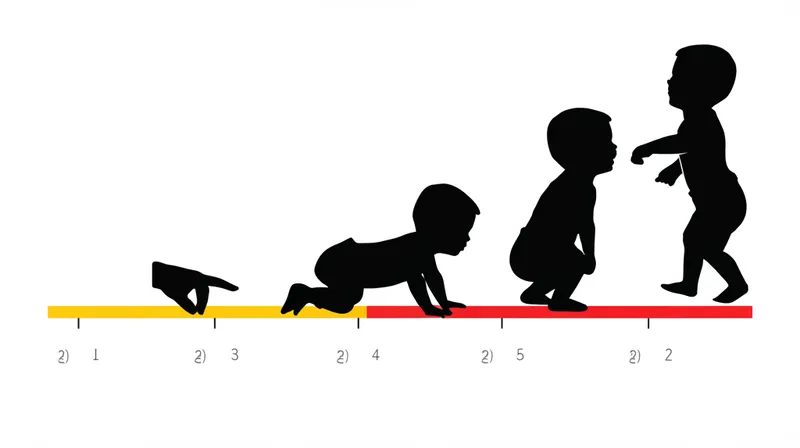

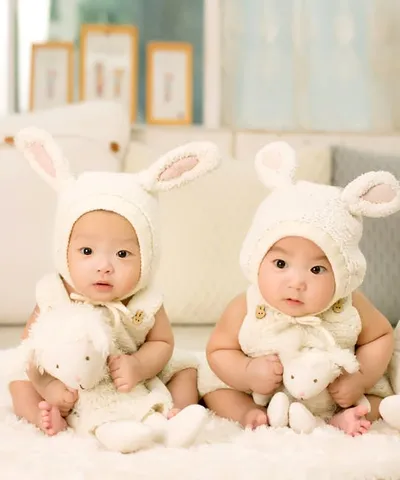
noun🔗Share아기, 유아A very young human, particularly from birth to a couple of years old or until walking is fully mastered."The park was full of mothers pushing strollers with their babies inside. "공원에는 아기들이 탄 유모차를 밀고 있는 엄마들로 가득했다.agehumanfamilypersonbodyChat with AIVocabulary GamePractice Reading
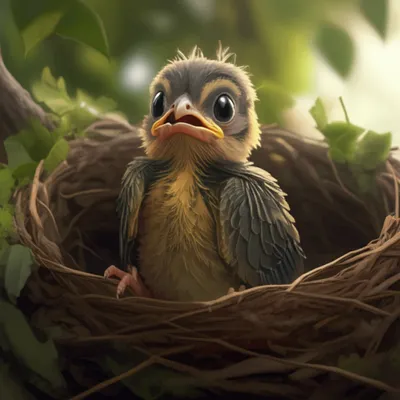
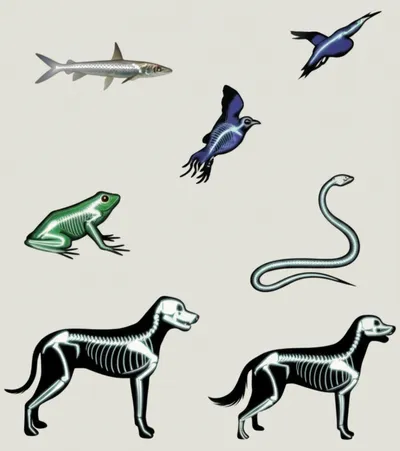
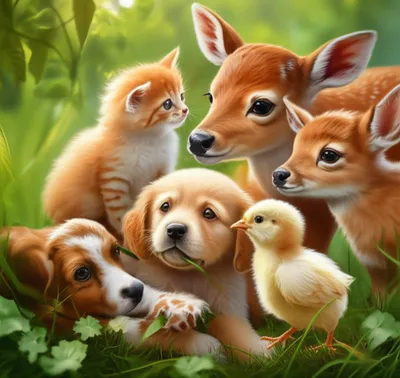
noun🔗Share아기, 유아Any very young animal, especially a vertebrate; many species have specific names for their babies, such as kittens for the babies of cats, puppies for the babies of dogs, and chickens for the babies of birds. See for more."The mother duck led her babies to the pond. "어미 오리는 아기 오리들을 연못으로 이끌었다.animalbiologyfamilynatureChat with AIVocabulary GamePractice Reading
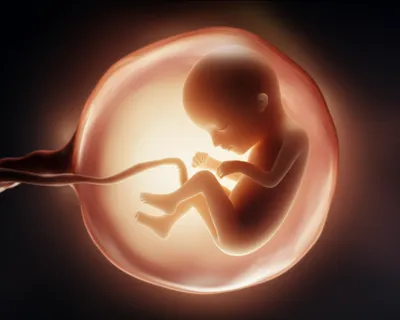
noun🔗Share태아Unborn young; a fetus."When is your baby due?"아기는 언제 예정인가요?familyhumanbodyageChat with AIVocabulary GamePractice Reading
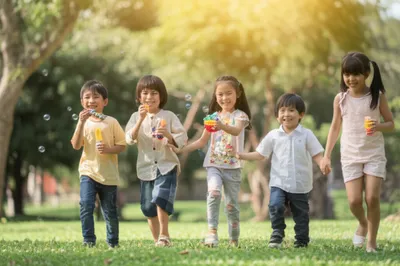
noun🔗Share애, 미숙한 사람A person who is immature, infantile or feeble.""Don't be such babies; everyone has to do chores sometimes." "애 취급하지 마세요. 누구나 가끔은 허드렛일을 해야 해요.agecharacterhumanpersonChat with AIVocabulary GamePractice Reading
noun🔗Share초보자, 미숙자A person who is new to or inexperienced in something."The seasoned programmers chuckled at the babies who were struggling with their first coding assignment. "노련한 프로그래머들은 첫 코딩 과제를 힘겹게 하는 초보자들을 비웃었다.personagehumanChat with AIVocabulary GamePractice Reading
noun🔗Share막내The lastborn of a family; the youngest sibling, irrespective of age."Adam is the baby of the family."아담은 가족의 막내입니다.familyagepersonChat with AIVocabulary GamePractice Reading
noun🔗Share자기야, 애인A term of endearment used to refer to or address one's girlfriend, boyfriend or spouse.""I made you some coffee, babies," Mark said to his wife before she left for work. "마크는 아내가 출근하기 전에 아내에게 "자기야, 내가 너를 위해 커피를 좀 만들었어"라고 말했다.familylanguagecommunicationChat with AIVocabulary GamePractice Reading
noun🔗Share자기야, 여보A form of address to a man or a woman considered to be attractive."Hey baby, what are you doing later?"자기야, 이따 뭐해?personhumancommunicationChat with AIVocabulary GamePractice Reading
noun🔗Share애지중지하는 일, 골칫거리A pet project or responsibility.""These new marketing initiatives are my babies, so I'm very protective of them." "이 새로운 마케팅 계획들은 제가 애지중지하는 일이라서, 저는 그것들을 매우 보호합니다.jobworkbusinessorganizationChat with AIVocabulary GamePractice Reading
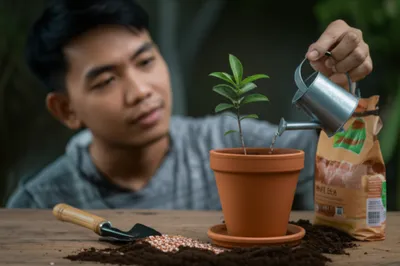
noun🔗Share애인, 자기야An affectionate term for anything.""Don't worry, I'll take care of your plants while you're away; they're my babies!" "걱정 마, 네가 없는 동안 내가 네 식물들을 돌볼게; 걔네들은 내 애인이야!humanfamilypersonChat with AIVocabulary GamePractice Reading
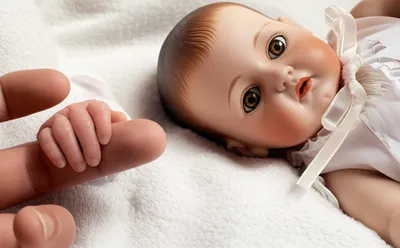
noun🔗Share아기 인형A small image of an infant; a doll."My little sister likes to arrange her toy babies in a circle and pretend they are having a tea party. "내 여동생은 장난감 아기 인형들을 동그랗게 놓고 차를 마시는 척하는 것을 좋아한다.familyhumanChat with AIVocabulary GamePractice Reading
verb🔗Share애지중지하다, 어르다To coddle; to pamper somebody like an infant."Even though he's a grown man, his mother still babies him, doing all his laundry and cooking all his meals. "그는 다 자란 남자임에도 불구하고, 그의 어머니는 여전히 그를 애지중지하며 그의 모든 빨래를 하고 모든 식사를 요리해준다.attitudehumancharacterfamilyChat with AIVocabulary GamePractice Reading
verb🔗Share애지중지하다, 보살피다To tend (something) with care; to be overly attentive to (something), fuss over."The new student's parents were always baby-ing her, helping her with everything, even simple tasks like opening a pencil box. "새로운 학생의 부모는 항상 그녀를 애지중지하며 연필통을 여는 것과 같은 간단한 일까지 모든 것을 도와주었습니다.attitudehumanactionChat with AIVocabulary GamePractice Reading