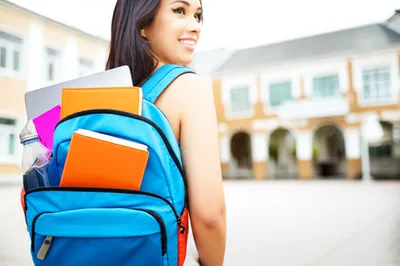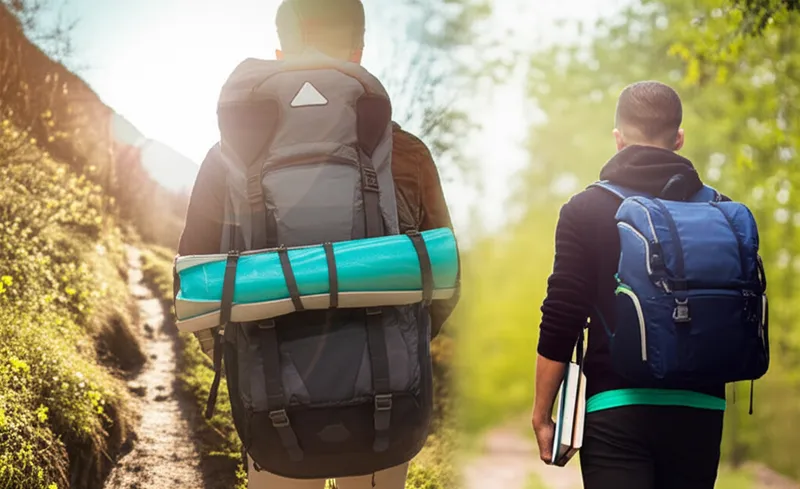

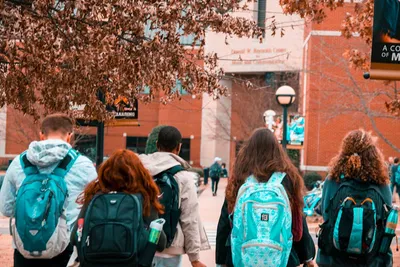
noun🔗Share배낭A knapsack, sometimes mounted on a light frame, but always supported by straps, worn on a person’s back for the purpose of carrying things, especially when hiking, or on a student's back when carrying books."The students carried their heavy textbooks in their backpacks to school. "학생들은 무거운 교과서를 배낭에 넣어 학교에 갔다.utilitywearitemeducationChat with AIVocabulary GamePractice Reading
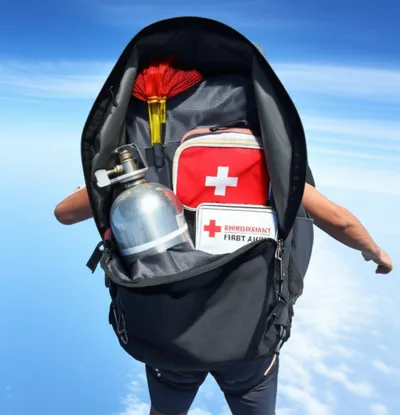
noun🔗Share낙하산 또는 기타 생명 유지 장비를 포함하는 가방A similarly placed item containing a parachute or other life-support equipment.""The skydivers checked their backpacks carefully before jumping, making sure their parachutes were properly packed." "스카이다이버들은 점프하기 전에 낙하산이 제대로 포장되었는지 확인하며, 낙하산이나 기타 생명 유지 장비를 포함하는 가방을 주의 깊게 점검했다.itemmilitaryaidChat with AIVocabulary GamePractice Reading
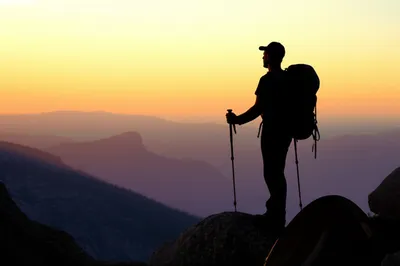
verb🔗Share배낭여행을 하다, 야영하다To hike and camp overnight in backcountry with one's gear carried in a backpack"We plan to backpack in Yosemite next summer to see the giant sequoias and camp under the stars. "우리는 거대한 세쿼이아를 보고 별 아래에서 야영하기 위해 다음 여름 요세미티에서 배낭여행을 할 계획입니다.sportnatureactionenvironmentChat with AIVocabulary GamePractice Reading
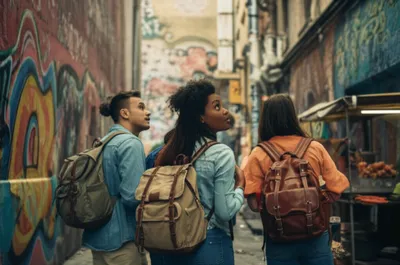
verb🔗Share배낭여행을 하다To engage in low-cost, generally urban, travel with minimal luggage and frugal accommodations"Young people often backpack through Europe after graduating from university. "젊은이들은 대학교 졸업 후 유럽에서 배낭여행을 하는 경우가 많다.styleChat with AIVocabulary GamePractice Reading
verb🔗Share배낭에 넣다To place or carry (an item or items) in a backpack"We backpack our lunches and water bottles for the hiking trip. "우리는 하이킹 여행을 위해 점심과 물병을 배낭에 넣습니다.wearitemactionChat with AIVocabulary GamePractice Reading