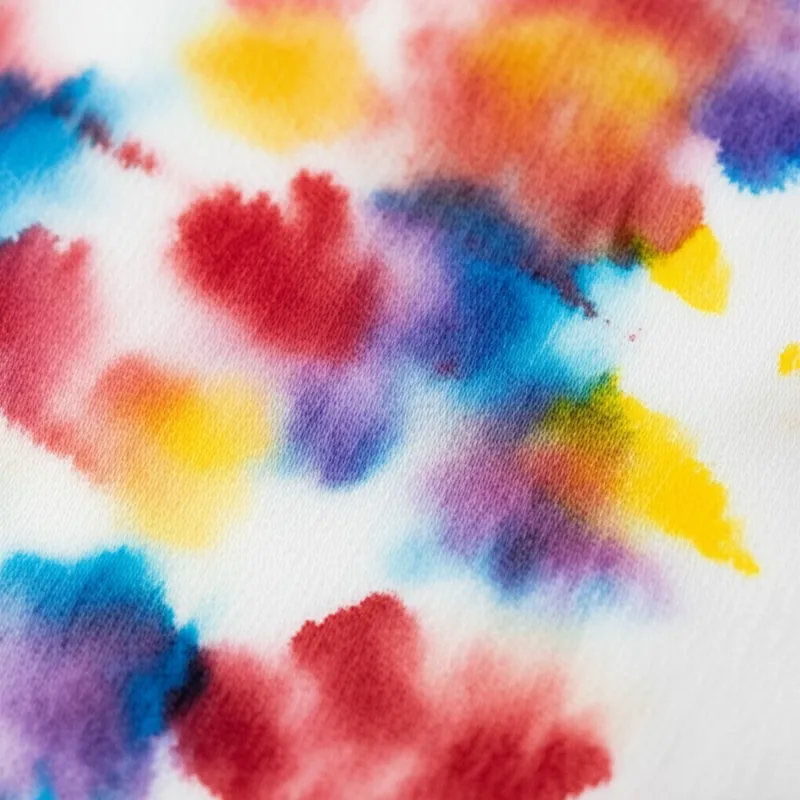
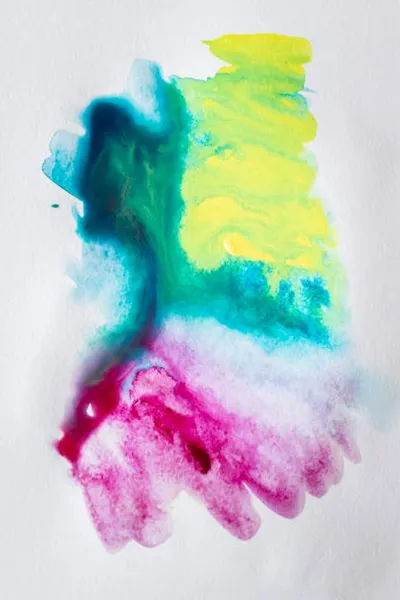
noun 다운로드 🔗공유 얼룩, 반점 An uneven patch of color or discoloration. Examples : "The old painting had large blotches of faded yellow paint. " 오래된 그림에는 흐릿한 노란색 페인트 얼룩이 컸다. appearance color body medicine AI와 채팅어휘 게임독해 연습
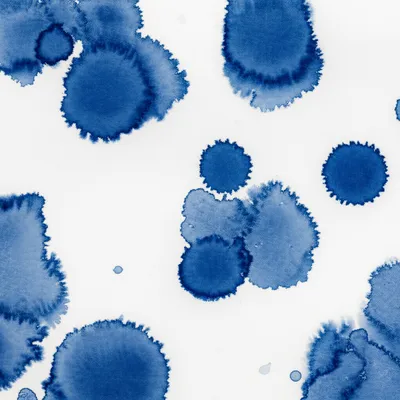
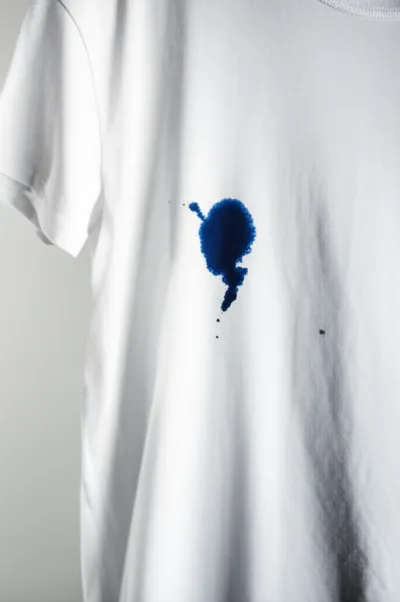
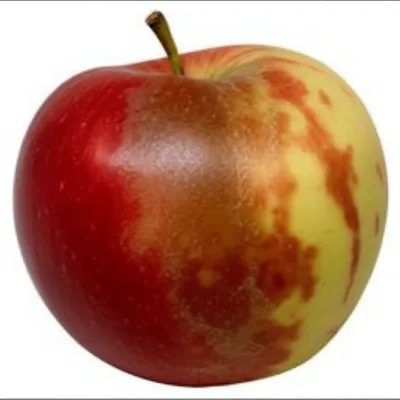
noun 다운로드 🔗공유 얼룩, 반점 An irregularly shaped area. Examples : "The old painting had large blotches of faded blue paint. " 오래된 그림에는 흐릿한 파란색 페인트 얼룩이 컸다. appearance mark area AI와 채팅어휘 게임독해 연습
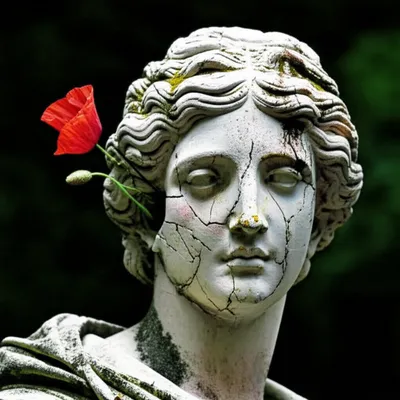
noun 다운로드 🔗공유 얼룩, 흠, 오점 Imperfection; blemish on one’s reputation, stain. Examples : "The accusations of plagiarism left blotches on the student's academic record. " 표절 혐의는 학생의 학업 기록에 오점을 남겼다. appearance character mark AI와 채팅어휘 게임독해 연습
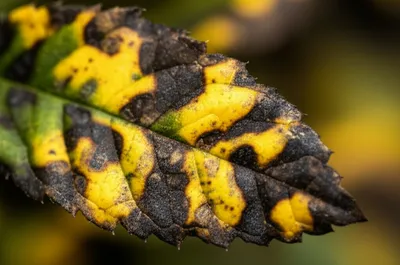
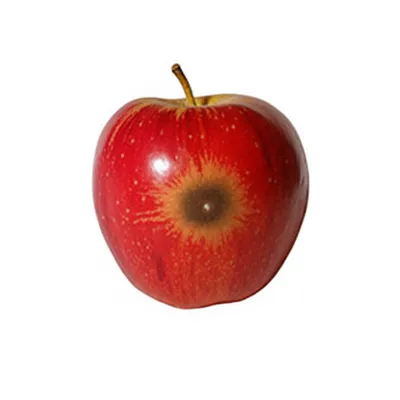
noun 다운로드 🔗공유 얼룩, 반점 Any of various crop diseases that cause the plant to form spots. Examples : "The farmer worried when he saw reddish-brown blotches appearing on his tomato plants' leaves. " 농부는 토마토 잎에 붉은 갈색 반점이 나타나는 것을 보고 걱정했다. disease plant agriculture AI와 채팅어휘 게임독해 연습
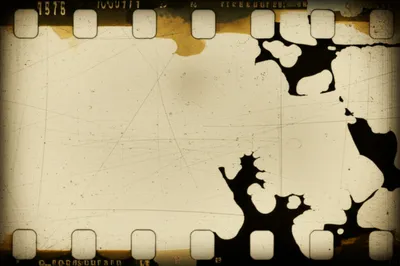
noun 다운로드 🔗공유 얼룩, 반점 A bright or dark spot on old film caused by dirt and loss of the gelatin covering the film, due to age and poor film quality. Examples : "The old home movie, transferred from film, was covered in distracting blotches that obscured my grandfather's face. " 필름에서 옮겨진 오래된 홈 비디오는 할아버지의 얼굴을 가리는 방해되는 얼룩으로 덮여 있었다. media technology appearance quality condition mark AI와 채팅어휘 게임독해 연습
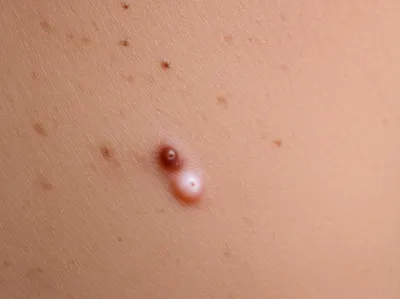
noun 다운로드 🔗공유 얼룩, 뾰루지 A dark spot on the skin; a pustule. Examples : "After the sunburn, Sarah's skin was covered in red blotches. " 햇볕에 탄 후, 사라의 피부는 붉은 반점으로 덮여 있었다. appearance medicine body AI와 채팅어휘 게임독해 연습
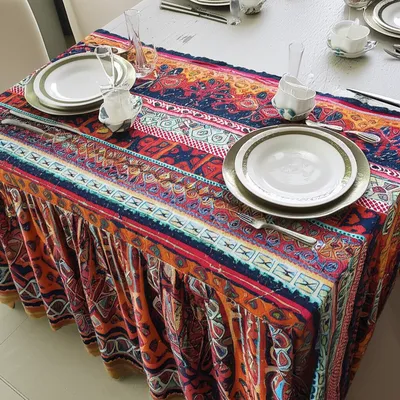
verb 다운로드 🔗공유 얼룩지게 하다 To mark with blotches. Examples : "The spilled coffee blotches the white tablecloth. " 쏟아진 커피가 흰 식탁보에 얼룩을 지게 한다. appearance mark AI와 채팅어휘 게임독해 연습
verb 다운로드 🔗공유 얼룩이 생기다, 얼룩덜룩해지다 To develop blotches, to become blotchy. Examples : "The old photograph began to blotch with age, turning brown in irregular patches. " 오래된 사진은 나이가 들면서 얼룩이 생기기 시작했고, 불규칙한 부분에서 갈색으로 변했다. appearance body medicine AI와 채팅어휘 게임독해 연습