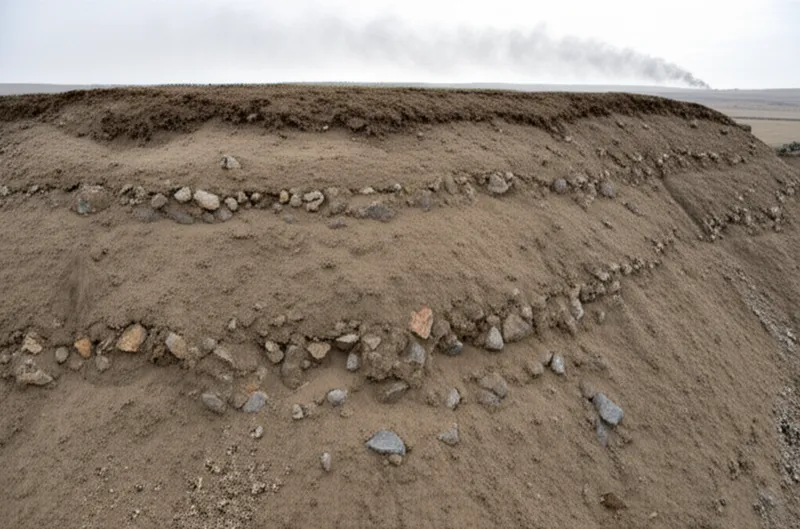













noun🔗Share성벽, 방벽A rampart of earth, stones etc. built up for defensive purposes."The ancient city had a strong wall around it to protect its people from invaders. "고대 도시는 침략자로부터 사람들을 보호하기 위해 주변에 튼튼한 성벽을 가지고 있었다.architecturemilitarybuildingessentialChat with AIVocabulary GamePractice Reading
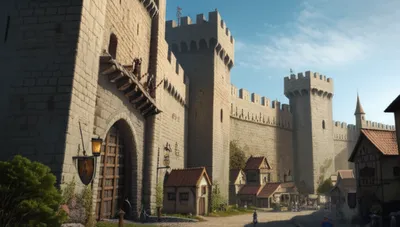
noun🔗Share벽, 성벽A structure built for defense surrounding a city, castle etc."The town wall was surrounded by a moat."마을 성벽은 해자로 둘러싸여 있었다.architecturebuildingstructuremilitaryessentialChat with AIVocabulary GamePractice Reading
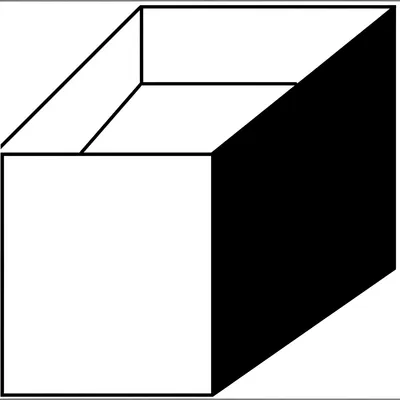
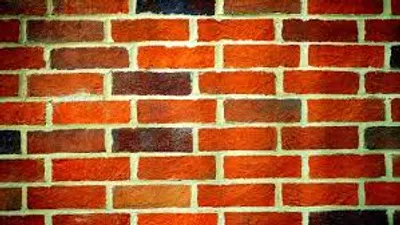
noun🔗Share벽Each of the substantial structures acting either as the exterior of or divisions within a structure."The classroom had tall walls that kept out the noise from the hallway. "교실에는 복도의 소음을 막아주는 높은 벽이 있었다.architecturebuildingstructurepropertymaterialessentialChat with AIVocabulary GamePractice Reading
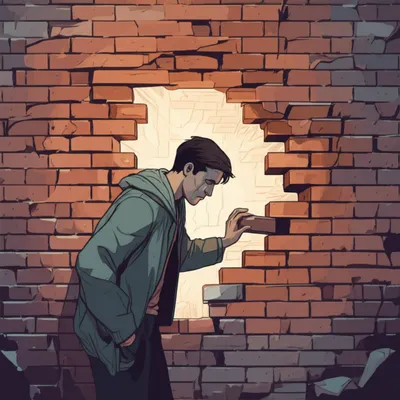
noun🔗Share궁지, 막다른 골목A point of desperation."Facing the looming deadline, the student felt the project had become a wall. "다가오는 마감일을 앞두고, 학생은 프로젝트가 궁지에 몰렸다고 느꼈다.attitudesituationsufferingmindessentialChat with AIVocabulary GamePractice Reading
noun🔗Share패배, 소멸A point of defeat or extinction."The team's poor performance in the final game was their wall, preventing them from winning the championship. "결승전에서 팀의 부진한 성적은 그들의 패배였고, 챔피언십 우승을 막았습니다.outcomeachievementessentialChat with AIVocabulary GamePractice Reading
noun🔗Share장애물, 벽An impediment to free movement."A wall of police officers met the protesters before they reached the capitol steps."경찰관들이 장벽을 이루어 시위대가 국회의사당 계단에 도착하기 전에 그들을 맞이했다.architecturebuildingessentialChat with AIVocabulary GamePractice Reading
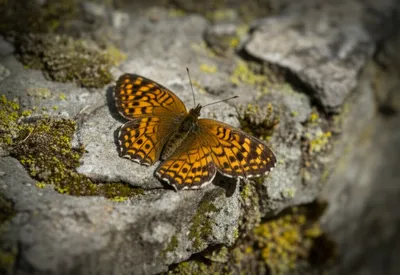
noun🔗Share갈색나비A type of butterfly (Lasiommata megera)."The butterfly fluttering around the garden was a wall. "정원에서 날아다니는 나비는 갈색나비였다.animalinsectessentialChat with AIVocabulary GamePractice Reading
noun🔗Share벽(often in combination) A barrier."a seawall; a firewall"방파제; 방화벽architecturematerialbuildingessentialChat with AIVocabulary GamePractice Reading
noun🔗Share벽A barrier to vision."The tall wall blocked my view of the playground from my bedroom window. "높은 벽이 내 침실 창문에서 놀이터를 보는 것을 막았습니다.architecturepropertyessentialChat with AIVocabulary GamePractice Reading
noun🔗Share벽Something with the apparent solidity and dimensions of a building wall."a wall of sound; a wall of water"소리의 벽; 물의 벽architecturebuildingmaterialstructureessentialChat with AIVocabulary GamePractice Reading
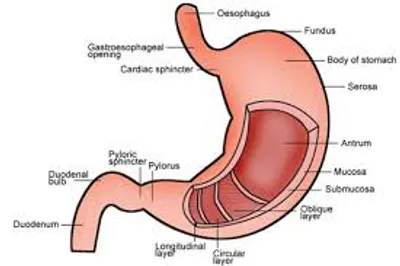
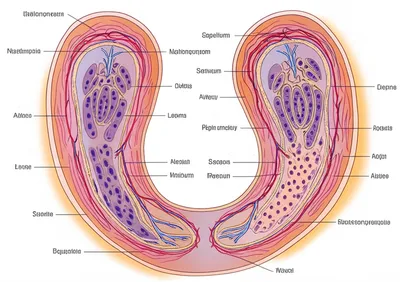
noun🔗Share벽A divisive or containing structure in an organ or cavity."The thick wall of muscle in the stomach helps to contain food. "위의 두꺼운 근육 벽은 음식을 담는 데 도움이 됩니다.anatomyorganphysiologyessentialChat with AIVocabulary GamePractice Reading
noun🔗Share허수아비 입찰자(auction) A fictional bidder used to increase the price at an auction."The auctioneer used a wall to drive up the price of the antique chair. "경매인은 골동품 의자의 가격을 올리기 위해 허수아비 입찰자를 사용했다.businessfinanceeconomyessentialChat with AIVocabulary GamePractice Reading
noun🔗Share가능한 한 적은 환자를 입원시키려는 의사A doctor who tries to admit as few patients as possible."The doctor was known as a wall; he always tried to limit the number of patients he saw. "그 의사는 벽으로 알려졌습니다. 그는 항상 자신이 진찰하는 환자 수를 제한하려고 했습니다.medicinepersonessentialChat with AIVocabulary GamePractice Reading
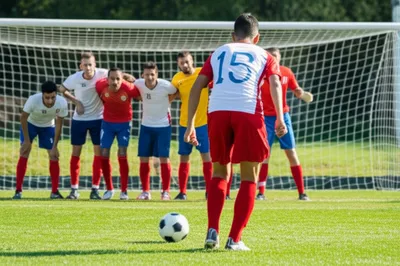
noun🔗Share방어벽A line of defenders set up between an opposing free-kick taker and the goal."The wall of defenders prevented the soccer player from scoring a goal. "수비벽은 축구 선수가 골을 넣는 것을 막았다.sportessentialChat with AIVocabulary GamePractice Reading
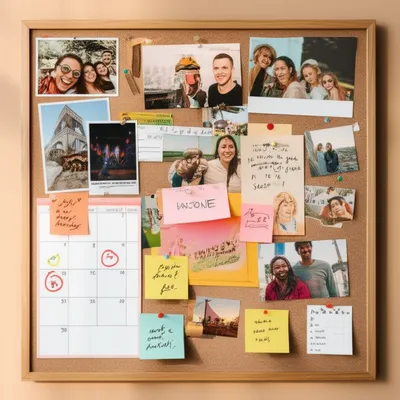
noun🔗Share담벼락, 게시판A personal notice board listing messages of interest to a particular user."My wall on the app shows reminders about my son's school events and my daughter's soccer practice. "앱의 내 담벼락에는 아들의 학교 행사와 딸의 축구 연습에 대한 알림이 표시됩니다.internetcomputingcommunicationmediaessentialChat with AIVocabulary GamePractice Reading
verb🔗Share벽으로 둘러싸다, 담을 쌓다To enclose with, or as if with, a wall or walls."He walled the study with books."그는 서재를 책으로 둘러쌌다.architecturebuildingessentialChat with AIVocabulary GamePractice Reading
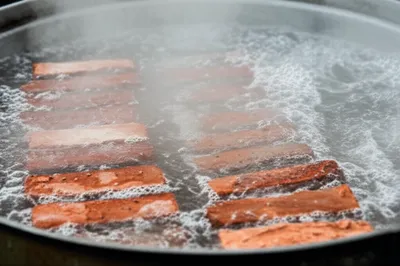
verb🔗Share끓이다To boil."The soup was boiling over, so I had to wall it down to prevent a mess. "수프가 끓어 넘치고 있어서, 나는 엉망이 되는 것을 막기 위해 불을 줄여야 했다.foodutensilprocessessentialChat with AIVocabulary GamePractice Reading
verb🔗Share솟아나다, 솟구쳐 나오다To well, as water; spring."The spring in the park walls up clean water for the thirsty birds. "공원 안의 샘은 목마른 새들을 위해 깨끗한 물을 솟아나게 한다.naturegeologyenvironmentessentialChat with AIVocabulary GamePractice Reading
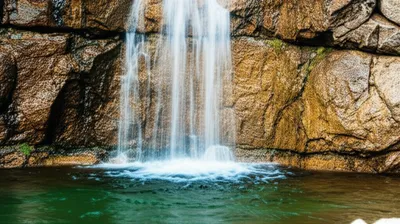
noun🔗Share샘, 수원A spring of water."The hikers were surprised to find a cool, fresh wall of water gushing from the mountainside. "등산객들은 산에서 솟아나는 시원하고 신선한 샘물을 발견하고 놀랐다.geologynaturegeographyessentialChat with AIVocabulary GamePractice Reading
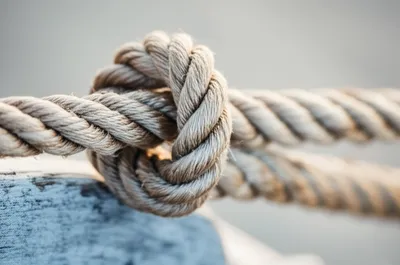
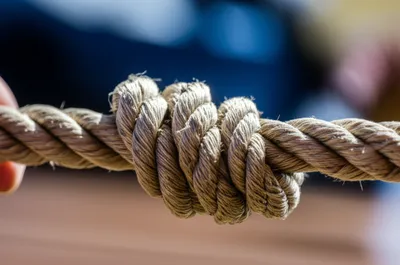
noun🔗Share벽 매듭A kind of knot often used at the end of a rope; a wall knot or wale."The climber tied a wall knot at the end of the rope before starting the ascent. "등반가는 등반을 시작하기 전에 로프 끝에 벽 매듭을 묶었다.nauticalessentialChat with AIVocabulary GamePractice Reading
verb🔗Share밧줄 끝에 벽 매듭을 짓다To make a wall knot on the end of (a rope)."Before tying the package, she walled the end of the rope securely. "그녀는 포장을 묶기 전에 밧줄 끝에 벽 매듭을 안전하게 지었다.nauticalsailingtechnicalessentialChat with AIVocabulary GamePractice Reading
interjection🔗Share아, 그래요, 음Used to acknowledge a statement or situation.""Wall! We need to talk about that project again." "아, 그래요! 그 프로젝트에 대해 다시 이야기해야 해요.communicationlanguagewordexclamationessentialChat with AIVocabulary GamePractice Reading
interjection🔗Share와!An exclamation of surprise (often doubled or tripled)."Well, well, well, what do we have here?"와, 와, 와, 여기 뭐가 있는 거야?exclamationlanguageessentialChat with AIVocabulary GamePractice Reading
interjection🔗Share쳇, 젠장An exclamation of indignance."Well! There was no need to say that in front of my mother!"쳇! 엄마 앞에서 그런 말 할 필요 없었잖아!languageexclamationessentialChat with AIVocabulary GamePractice Reading
interjection🔗Share음, 글쎄, 저Used in speech to express the overcoming of reluctance to say something."It was a bit... well... too loud."그것은 좀... 음... 너무 시끄러웠어.communicationlanguageessentialChat with AIVocabulary GamePractice Reading
interjection🔗Share어, 음, 글쎄Used in speech to fill gaps, particularly at the beginning of a response to a question; filled pause."“So what have you been doing?” “Well, we went for a picnic, and then it started raining so we came home early.”"“그래서 뭐 했어?” “어, 우리는 소풍을 갔는데, 비가 와서 일찍 집에 왔어.”languagelinguisticscommunicationphoneticswordgapessentialChat with AIVocabulary GamePractice Reading
interjection🔗Share안녕(Hiberno-English) Used as a greeting""Wall! See you later, Dad." "안녕! 나중에 봐요, 아빠.communicationlanguagecultureessentialChat with AIVocabulary GamePractice Reading