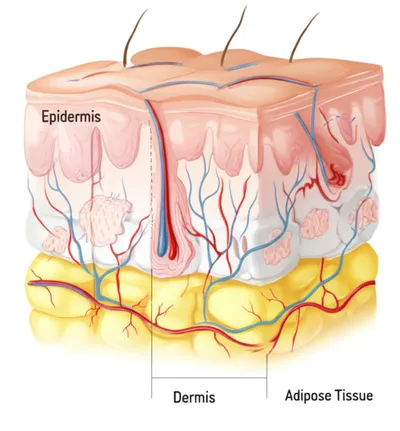
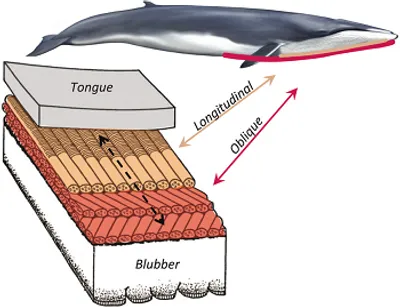
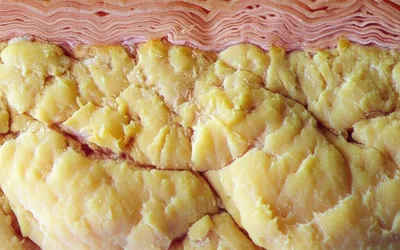
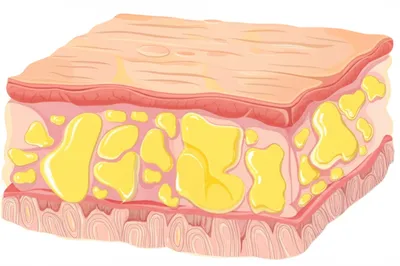
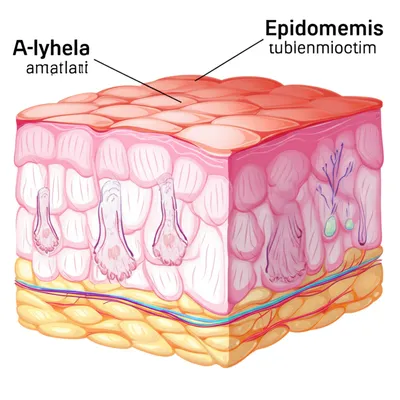
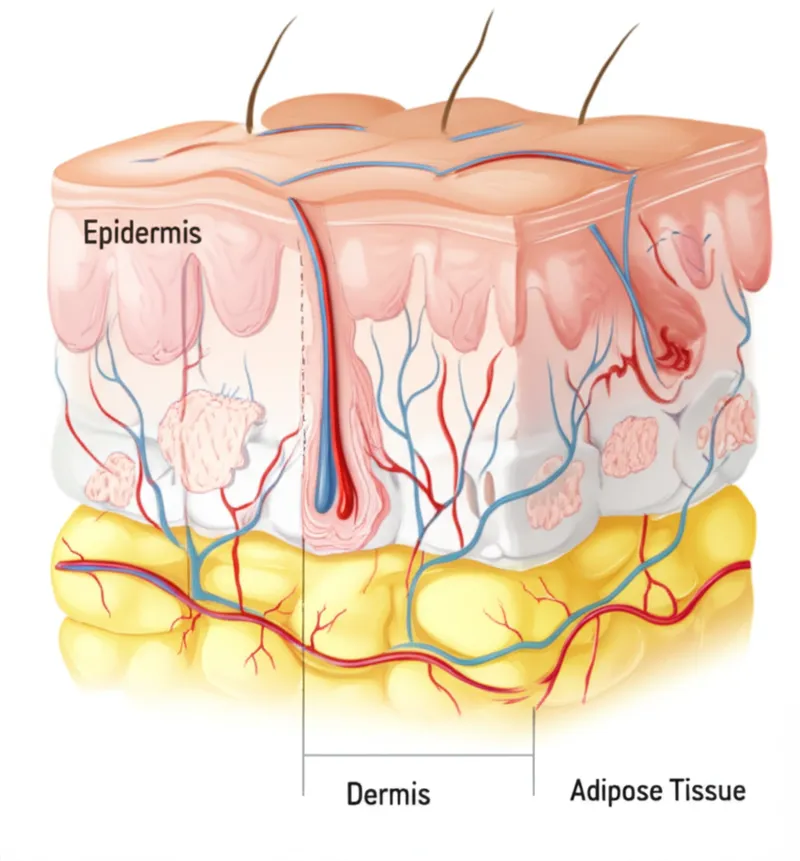
noun 다운로드 🔗공유 블러버, 피하지방 A fatty layer of adipose tissue found immediately beneath the epidermis. Examples : "Seals and whales rely on their thick layer of blubber to stay warm in the cold ocean. " 물개와 고래는 추운 바다에서 따뜻함을 유지하기 위해 두꺼운 피하지방층에 의존합니다. anatomy organism body physiology biology animal substance AI와 채팅어휘 게임독해 연습
noun 다운로드 🔗공유 고래기름 Fatty tissue. Examples : "The whale's blubber helped keep it warm in the cold ocean. " 고래의 고래기름은 추운 바다에서 따뜻함을 유지하는 데 도움이 되었다. body physiology anatomy animal biology AI와 채팅어휘 게임독해 연습
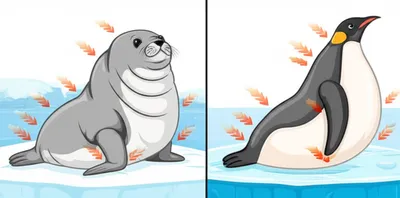
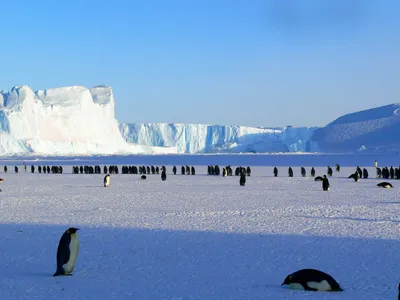
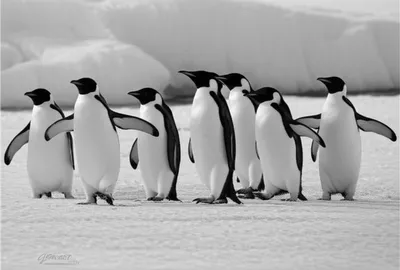
noun 다운로드 🔗공유 블러버, 피하지방 The thick coat of fat worn by many Arctic animals, such as sea lions, and Antarctic animals, such as penguins; used to insulate warmth in the animal's body. Examples : "The seal's blubber kept it warm in the icy water. " 바다코끼리의 블러버는 얼음물 속에서 따뜻하게 해 주었다. animal body physiology environment biology nature ecology AI와 채팅어휘 게임독해 연습
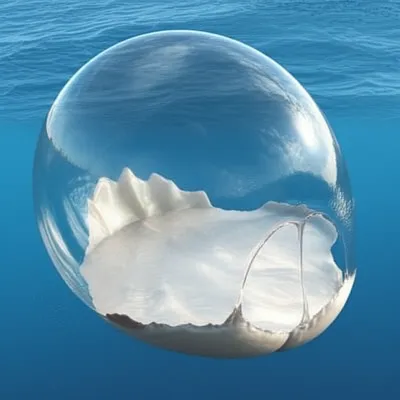
noun 다운로드 🔗공유 거품 A bubble. Examples : "The child blew a soap bubble, watching as the blubber floated in the air. " 아이는 비눗방울을 불었고, 거품이 공중에 떠다니는 것을 지켜보았다. physics substance AI와 채팅어휘 게임독해 연습
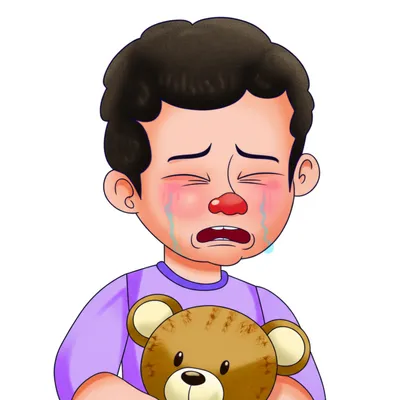
verb 다운로드 🔗공유 흐느끼다, 울다 To make noises or broken words while crying. Examples : "The little boy blubbered about his lost toy during the school assembly. " 어린 소년은 학교 조회 시간에 잃어버린 장난감 때문에 흐느꼈다. emotion sound language human AI와 채팅어휘 게임독해 연습
verb 다운로드 🔗공유 울면서 붓게 하다, 눈물로 적시다 To swell or disfigure (the face) with weeping; to wet with tears. Examples : "The little boy began to blubber when his ice cream fell on the ground. " 어린 소년은 아이스크림이 땅에 떨어지자 울면서 붓기 시작했다. appearance body emotion AI와 채팅어휘 게임독해 연습