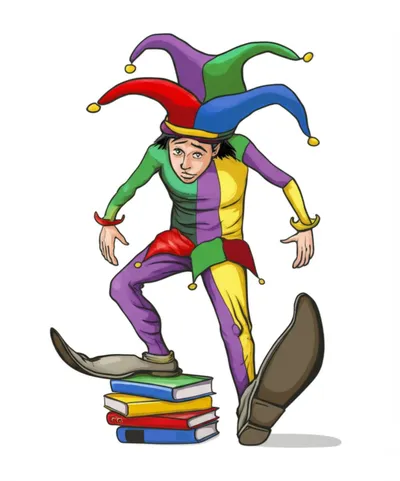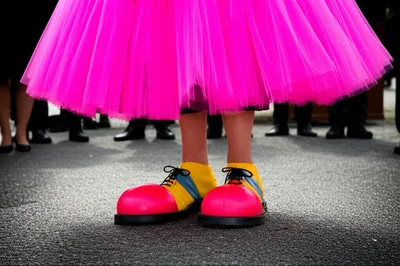



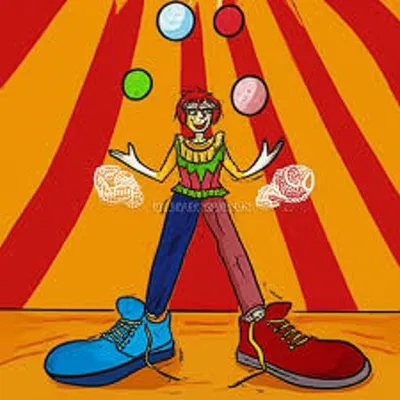
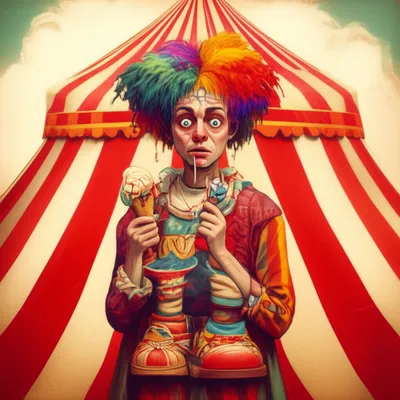

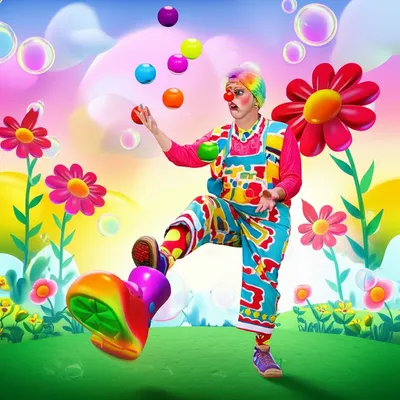

noun🔗Share광대A slapstick performance artist often associated with a circus and usually characterized by bright, oversized clothing, a red nose, face paint, and a brightly colored wig."The clown entertained the children at the school fair. "광대가 학교 축제에서 아이들을 즐겁게 했다.entertainmentpersoncharactercultureartstyleappearanceChat with AIVocabulary GamePractice Reading
noun🔗Share광대A person who acts in a silly fashion."The clown at the birthday party made everyone laugh with his silly jokes and funny faces. "생일 파티의 광대는 그의 바보 같은 농담과 우스운 표정으로 모두를 웃게 만들었다.personentertainmentcharacterChat with AIVocabulary GamePractice Reading
noun🔗Share바보, 멍청이A stupid person."He spilled coffee all over the important documents; what a clown. "그는 중요한 서류에 커피를 쏟았어; 정말 바보 같아.personcharacterattitudeChat with AIVocabulary GamePractice Reading
noun🔗Share촌뜨기, 무례한 사람A man of coarse nature and manners; an awkward fellow; an illbred person; a boor."My uncle is a real clown at family gatherings; he always says inappropriate things and makes everyone uncomfortable. "우리 삼촌은 가족 모임에서 정말 무례한 사람입니다. 그는 항상 부적절한 말을 하고 모두를 불편하게 만듭니다.characterpersonhumanChat with AIVocabulary GamePractice Reading
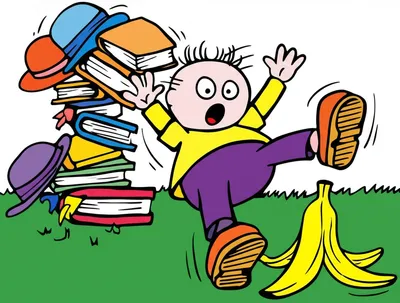
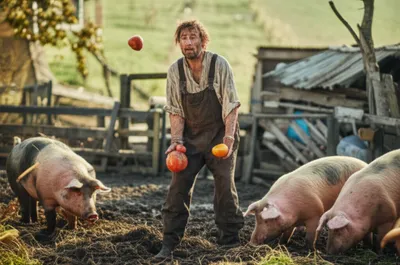
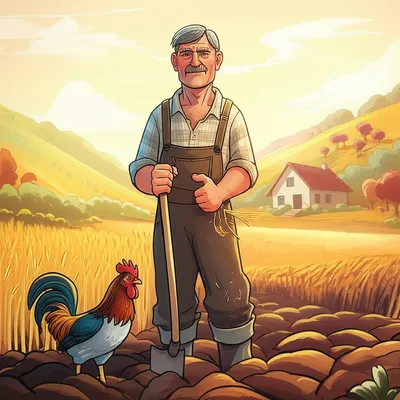
noun🔗Share농부, 시골뜨기, 촌뜨기One who works upon the soil; a rustic; a churl; a yokel."The new farmhand was a clumsy clown, often tripping over things in the fields. "새로운 농부는 어설픈 촌뜨기여서 밭에서 자주 넘어졌다.personagriculturejobChat with AIVocabulary GamePractice Reading
verb🔗Share광대짓을 하다, 익살을 부리다To act in a silly or playful fashion."My little brother likes to clown around after dinner, making funny faces and telling jokes. "내 남동생은 저녁 식사 후에 광대짓을 하며 우스운 표정을 짓고 농담을 하는 것을 좋아한다.entertainmentactioncharacterChat with AIVocabulary GamePractice Reading
verb🔗Share조롱하다, 웃음거리로 만들다To ridicule."The politician tried to clown the opposition's proposal, highlighting its flaws to make it seem ridiculous. "그 정치인은 야당의 제안을 조롱하려 했고, 그것의 결함을 강조하여 우스꽝스럽게 보이게 만들었다.entertainmentattitudeactionhumancharacterChat with AIVocabulary GamePractice Reading