



noun🔗Share조롱, 비웃음Derision; mocking or humiliating words or behaviour"The student's poor performance on the test became the subject of ridicule from his classmates. "시험에서 학생의 저조한 성적은 급우들의 조롱거리가 되었다.attitudecommunicationcharactersocietyemotionChat with AIVocabulary GamePractice Reading
noun🔗Share웃음거리, 조롱거리An object of sport or laughter; a laughing stock."His constant mistakes in class turned him into the ridicule of the other students. "그의 수업에서의 잦은 실수는 그를 다른 학생들의 웃음거리로 만들었다.attitudecharacteremotionChat with AIVocabulary GamePractice Reading
noun🔗Share조롱, 비웃음The quality of being ridiculous; ridiculousness."The comedian's performance was full of the ridicule of everyday situations. "코미디언의 공연은 일상적인 상황에 대한 조롱으로 가득했다.attitudecharacterqualityemotionChat with AIVocabulary GamePractice Reading
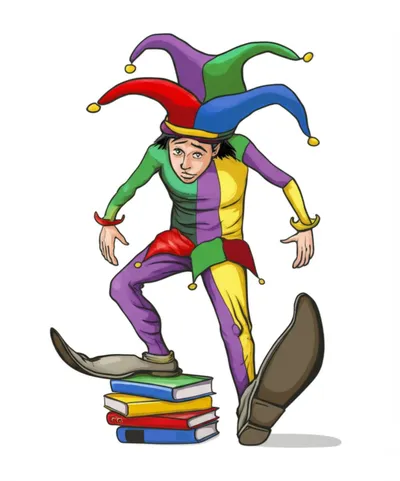
verb🔗Share조롱하다, 비웃다To criticize or disapprove of someone or something through scornful jocularity; to make fun of"His older sibling constantly ridiculed him with sarcastic remarks."그의 형은 끊임없이 비꼬는 말로 그를 조롱했다.attitudecharacteremotionhumanmindactionsocietyChat with AIVocabulary GamePractice Reading
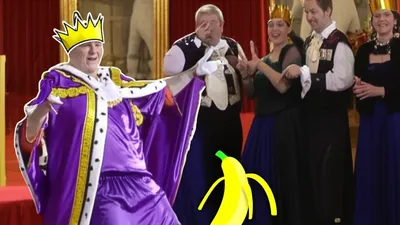
adjective🔗Share우스운, 조롱거리가 되는Ridiculous"His suggestion to wear a banana suit to the school picnic was utterly ridiculous. "학교 소풍에 바나나 옷을 입자는 그의 제안은 터무니없이 우스웠다.attitudecharacterqualityChat with AIVocabulary GamePractice Reading
noun🔗Share작은 핸드백A small woman's handbag; a reticule."She carried her grandmother's antique ridicule to the party. "그녀는 할머니의 골동품 작은 핸드백을 파티에 가져갔다.wearstyleitemthingappearanceChat with AIVocabulary GamePractice Reading