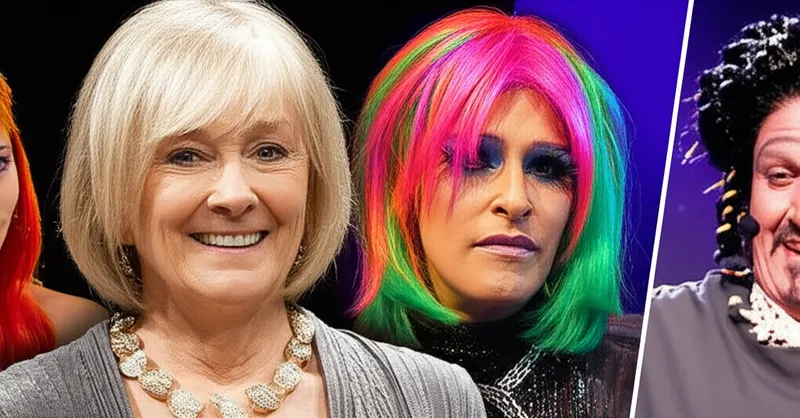
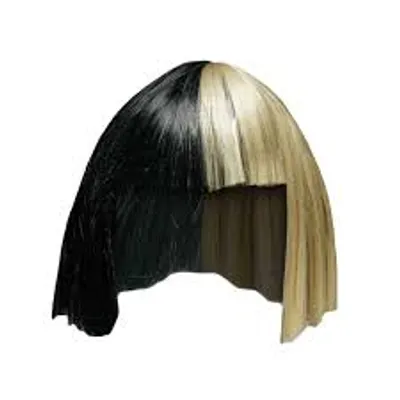
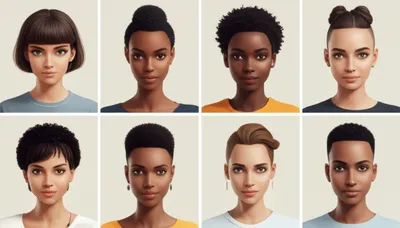
noun 다운로드 🔗공유 가발 A head of real or synthetic hair worn on the head to disguise baldness, for cultural or religious reasons, for fashion, or by actors to help them better resemble the character they are portraying. Examples : "The actor wore a wig to portray the old, bald king in the school play. " 그 배우는 학교 연극에서 늙고 대머리인 왕을 연기하기 위해 가발을 썼다. appearance culture entertainment style wear AI와 채팅어휘 게임독해 연습
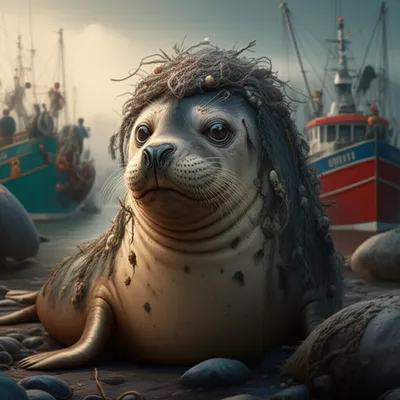
noun 다운로드 🔗공유 늙은 물개 (among fishermen) An old seal. Examples : "The old fisherman pointed at the seal basking on the rocks and said, "That's a wig; been around these parts for years." " 늙은 어부는 바위에 일광욕을 즐기는 물개를 가리키며 말했습니다. "저건 늙은 물개야. 이 근처에서 몇 년 동안 있었어." animal fish nautical AI와 채팅어휘 게임독해 연습
verb 다운로드 🔗공유 가발을 쓰다 To put on a wig; to provide with a wig (especially of an actor etc.). Examples : "Before the play, the makeup artist will wig each actor with a historically accurate hairstyle. " 연극 전에, 분장사는 각 배우에게 역사적으로 정확한 헤어스타일의 가발을 씌울 것입니다. appearance entertainment style culture AI와 채팅어휘 게임독해 연습
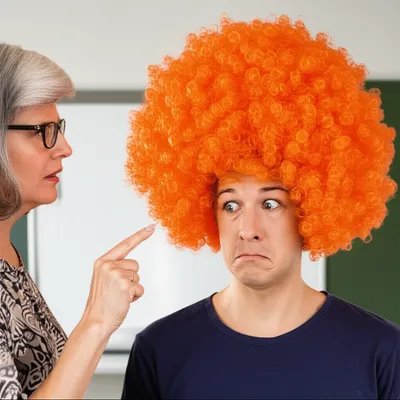
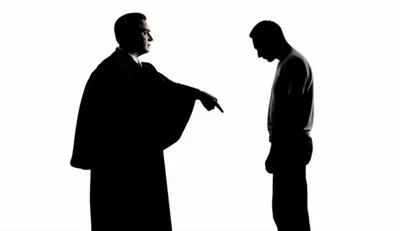
verb 다운로드 🔗공유 꾸짖다, 나무라다 To upbraid, reprimand. Examples : "The teacher wigged out at the student for talking during class. " 선생님은 수업 중에 말하는 학생을 꾸짖었다. communication language word action AI와 채팅어휘 게임독해 연습
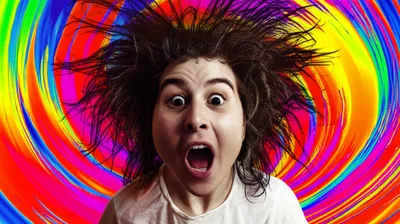
verb 다운로드 🔗공유 흥분하다, 격분하다 To become extremely emotional or excitable; to lose control of one's emotions. Examples : "When the student realized he had forgotten to study for the final exam, he started to wig. " 학생은 기말고사를 위해 공부하는 것을 잊었다는 것을 깨달았을 때, 흥분하기 시작했다. emotion mind character human AI와 채팅어휘 게임독해 연습