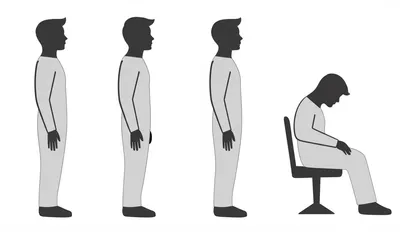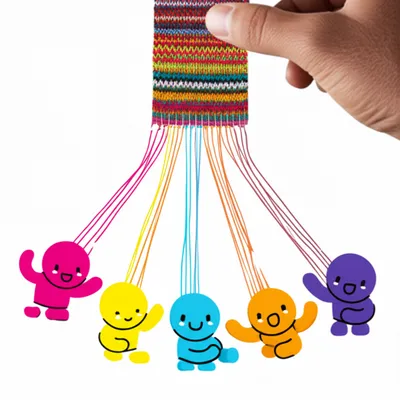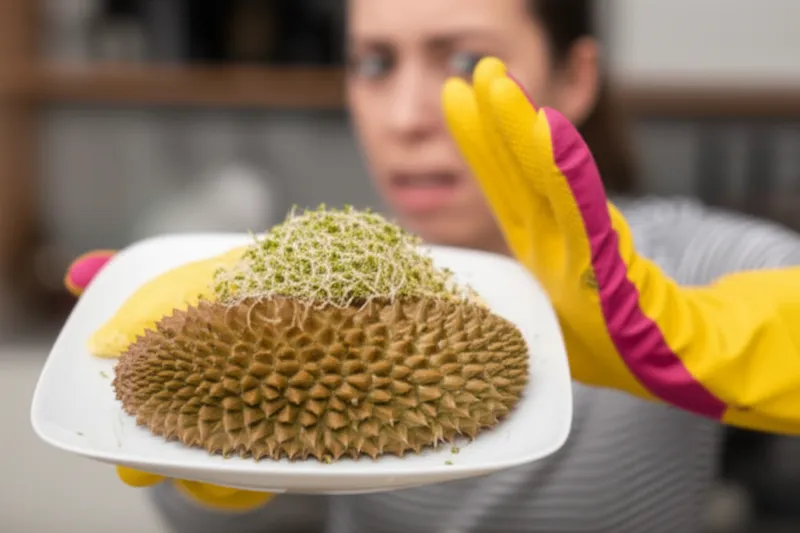






noun🔗Share싫어함, 혐오An attitude or a feeling of distaste or aversion."John has many dislikes, including broccoli and loud music. "존은 브로콜리와 시끄러운 음악을 포함하여 많은 싫어함을 가지고 있습니다.attitudeemotionChat with AIVocabulary GamePractice Reading
noun🔗Share싫어하는 것, 혐오(usually in the plural) Something that a person dislikes (has or feels aversion to)."Tell me your likes and dislikes."좋아하는 것과 싫어하는 것을 말해줘.attitudeemotioncharacterpersonChat with AIVocabulary GamePractice Reading
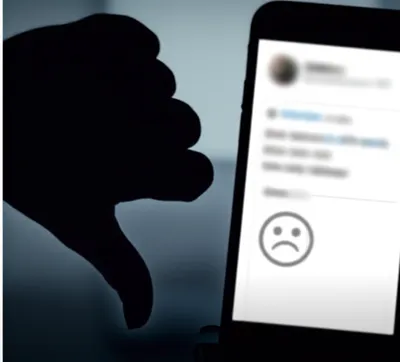
noun🔗Share싫어요, 비추천An individual vote showing disapproval of, or lack of support for, something posted on the Internet."The video received many views, but also a noticeable amount of dislikes due to the controversial opinion expressed. "이 비디오는 많은 조회수를 기록했지만, 논란이 되는 의견 때문에 상당한 양의 싫어요도 받았습니다.internetmediatechnologycomputingcommunicationChat with AIVocabulary GamePractice Reading
verb🔗Share싫어하다, 불쾌하게 하다To displease; to offend. (In third-person only.)"My sister dislikes loud noises. "내 여동생은 시끄러운 소리를 싫어한다.attitudecharactersensationmindChat with AIVocabulary GamePractice Reading
verb🔗Share싫어하다, 혐오하다To have a feeling of aversion or antipathy towards; not to like."My sister dislikes eating vegetables, especially broccoli. "내 여동생은 채소, 특히 브로콜리를 먹는 것을 싫어한다.attitudesensationemotionmindChat with AIVocabulary GamePractice Reading
verb🔗Share싫어하다, 비추천하다To leave a vote to show disapproval of, or lack of support for, something posted on the Internet."Many students disliked the new school policy about cell phone use. "많은 학생들이 휴대폰 사용에 대한 새로운 학교 정책을 싫어했다.internetcomputingtechnologymediacommunicationChat with AIVocabulary GamePractice Reading