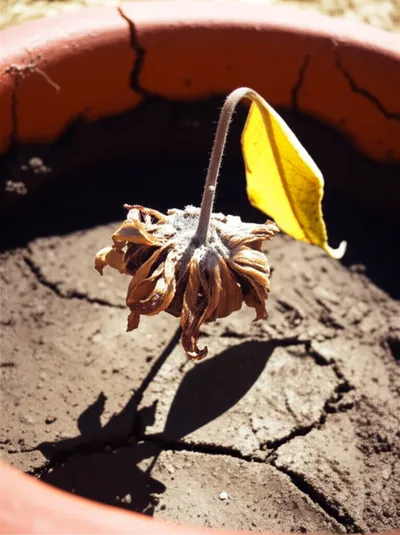
verb 다운로드 🔗공유 늘어지다, 축 늘어지다 To hang downward; to sag. Examples : "The wilting flower drooped sadly in its vase. " 시든 꽃은 꽃병 안에서 슬프게 축 늘어졌다. appearance condition nature AI와 채팅어휘 게임독해 연습
verb 다운로드 🔗공유 늘어지다, 축 처지다 To slowly become limp; to bend gradually. Examples : "The flower in the vase drooped because it needed water. " 꽃병 속의 꽃은 물이 필요해서 축 처졌다. appearance condition nature AI와 채팅어휘 게임독해 연습
verb 다운로드 🔗공유 풀이 죽다, 시들다 To lose all energy, enthusiasm or happiness; to flag. Examples : "After the long, tiring exam, Sarah drooped; she lost all her energy and enthusiasm. " 길고 피곤한 시험 후, 사라는 풀이 죽었다. 그녀는 모든 에너지와 열정을 잃었다. emotion condition attitude AI와 채팅어휘 게임독해 연습
verb 다운로드 🔗공유 늘어지다, 처지다 To allow to droop or sink. Examples : "The tired student drooped his head onto his desk during the long lecture. " 피곤한 학생은 긴 강의 동안 책상에 머리를 늘어뜨렸다. appearance condition AI와 채팅어휘 게임독해 연습
verb 다운로드 🔗공유 늘어지다, 쇠퇴하다 To proceed downward, or toward a close; to decline. Examples : "After a long day at work, his shoulders drooped with exhaustion. " 긴 하루의 노동 후, 그의 어깨는 피로로 늘어졌다. condition appearance action time AI와 채팅어휘 게임독해 연습
adjective 다운로드 🔗공유 늘어진, 축 처진 Lacking stiffness. Examples : "Actually, "drooped" is a verb, not an adjective. A simple sentence using "drooped" to mean "lacking stiffness" is: The flower drooped in the vase without water. " 사실, "drooped"는 형용사가 아닌 동사입니다. "늘어진"을 의미하는 "drooped"를 사용하는 간단한 문장은 다음과 같습니다: appearance condition AI와 채팅어휘 게임독해 연습