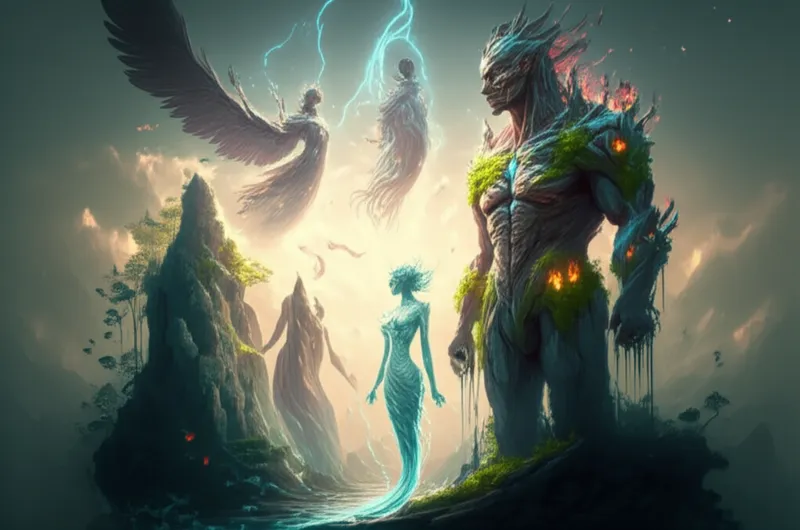






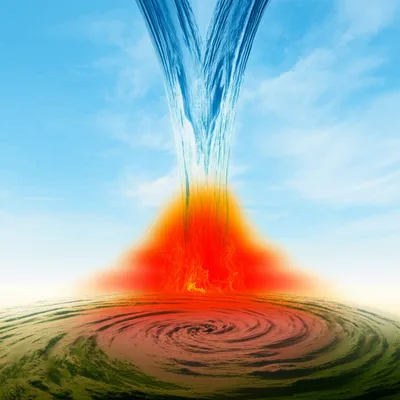

noun🔗Share정령(theosophy) A creature (usually a spirit) that is attuned with, or composed of, one of the classical elements: air, earth, fire and water or variations of them like ice, lightning, etc. They sometimes have unique proper names and sometimes are referred to as Air, Earth, Fire, or Water."The elemental of the air, a mischievous sprite, often played tricks on the school children. "바람의 정령, 장난기 많은 요정은 종종 학교 아이들에게 장난을 쳤다.mythologyreligionphilosophysupernaturalelementbeingChat with AIVocabulary GamePractice Reading
adjective🔗Share원소의, 기본적인Of, relating to, or being an element (as opposed to a compound)."The scientist studied the elemental components of the soil sample. "과학자는 토양 샘플의 기본적인 구성 요소를 연구했다.elementchemistrysciencematerialChat with AIVocabulary GamePractice Reading
adjective🔗Share기본적인, 근본적인Basic, fundamental or elementary."The elemental rules of grammar are essential for writing good sentences. "문법의 기본적인 규칙은 좋은 문장을 쓰는데 필수적이다.elementChat with AIVocabulary GamePractice Reading
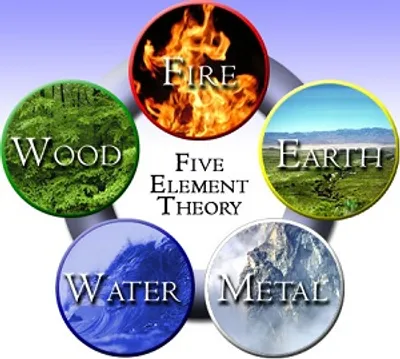
adjective🔗Share원소의, 기본적인Of the ancient supposed elements of earth, air, fire and water."The ancient Greeks believed that the elemental forces of fire and water were essential to all life. "고대 그리스인들은 불과 물의 기본적인 힘이 모든 생명에 필수적이라고 믿었습니다.elementphilosophymythologynaturetheoryscienceChat with AIVocabulary GamePractice Reading
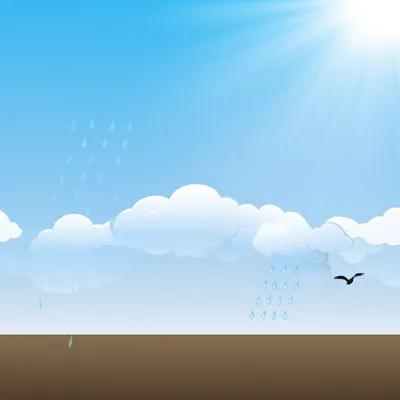
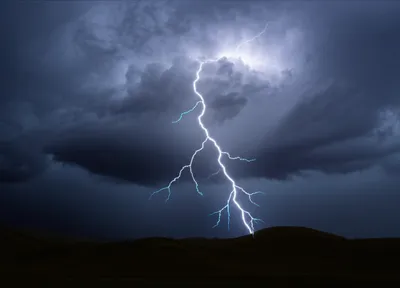
adjective🔗Share자연의, 자연력의(by extension) Of, or relating to a force or nature, especially to severe atmospheric conditions."The elemental forces of the storm made the school bus late. "폭풍의 자연력 때문에 학교 버스가 늦었습니다.natureweatherenvironmentChat with AIVocabulary GamePractice Reading