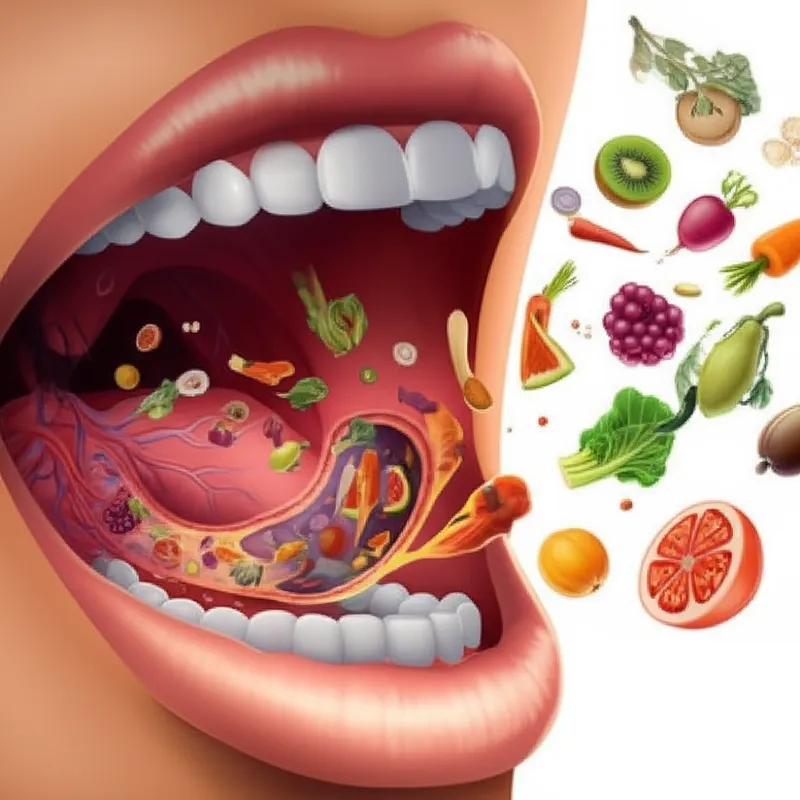
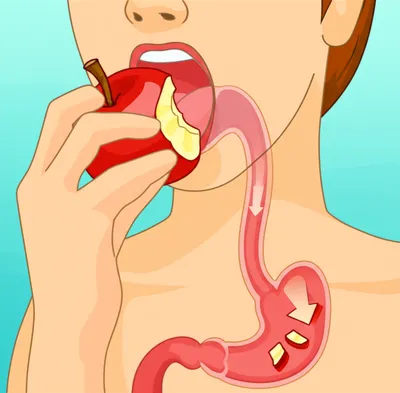
verb 다운로드 🔗공유 먹다, 섭취하다 To ingest; to be ingested. Examples : "The spoiled food began to et the container, causing it to dissolve. " 상한 음식은 용기를 먹기 시작하여 녹아내리게 했다. food body physiology AI와 채팅어휘 게임독해 연습
verb 다운로드 🔗공유 사용하다, 쓰다 To use up. Examples : "The hungry teenagers will et all the pizza in minutes. " 배고픈 십대들은 몇 분 안에 모든 피자를 다 먹을 것이다. amount business economy AI와 채팅어휘 게임독해 연습
verb 다운로드 🔗공유 걱정시키다, 근심하게 하다 To cause (someone) to worry. Examples : "What’s eating you?" 무슨 일로 걱정하니? mind emotion AI와 채팅어휘 게임독해 연습
verb 다운로드 🔗공유 손실을 보다 To take the loss in a transaction. Examples : "The small business owner decided to et the loss of $50 on the damaged shipment rather than argue with the customer. " 소규모 사업주는 고객과 논쟁하기보다는 손상된 화물에 대한 50달러의 손실을 보기로 결정했습니다. business finance economy AI와 채팅어휘 게임독해 연습
verb 다운로드 🔗공유 맞다, 총에 맞다 To be injured or killed by (something such as a firearm or its projectile), especially in the mouth. Examples : "Due to the high-velocity impact and internal injuries, the suspect et himself with the stolen police pistol during the standoff. " 고속 충격과 내부 부상으로 인해, 용의자는 대치 상황에서 훔친 경찰 권총으로 자신을 쐈다. medicine body war military weapon AI와 채팅어휘 게임독해 연습
verb 다운로드 🔗공유 부식하다, 침식하다 To corrode or erode. Examples : "The acid rain ate away the statue. The strong acid eats through the metal." 산성비가 조각상을 부식시켰다. 강한 산은 금속을 부식시킨다. environment geology chemistry material AI와 채팅어휘 게임독해 연습
verb 다운로드 🔗공유 구강 성교를 하다 To perform oral sex (on a person or body part). Examples : "Eat me!" 나에게 구강 성교를 해! sex body action AI와 채팅어휘 게임독해 연습