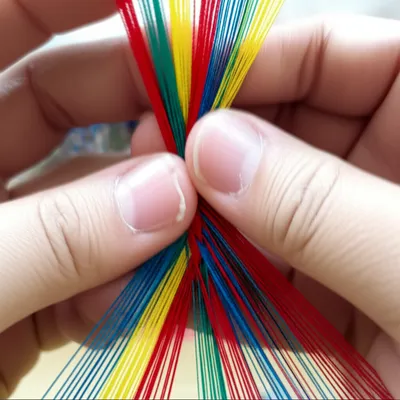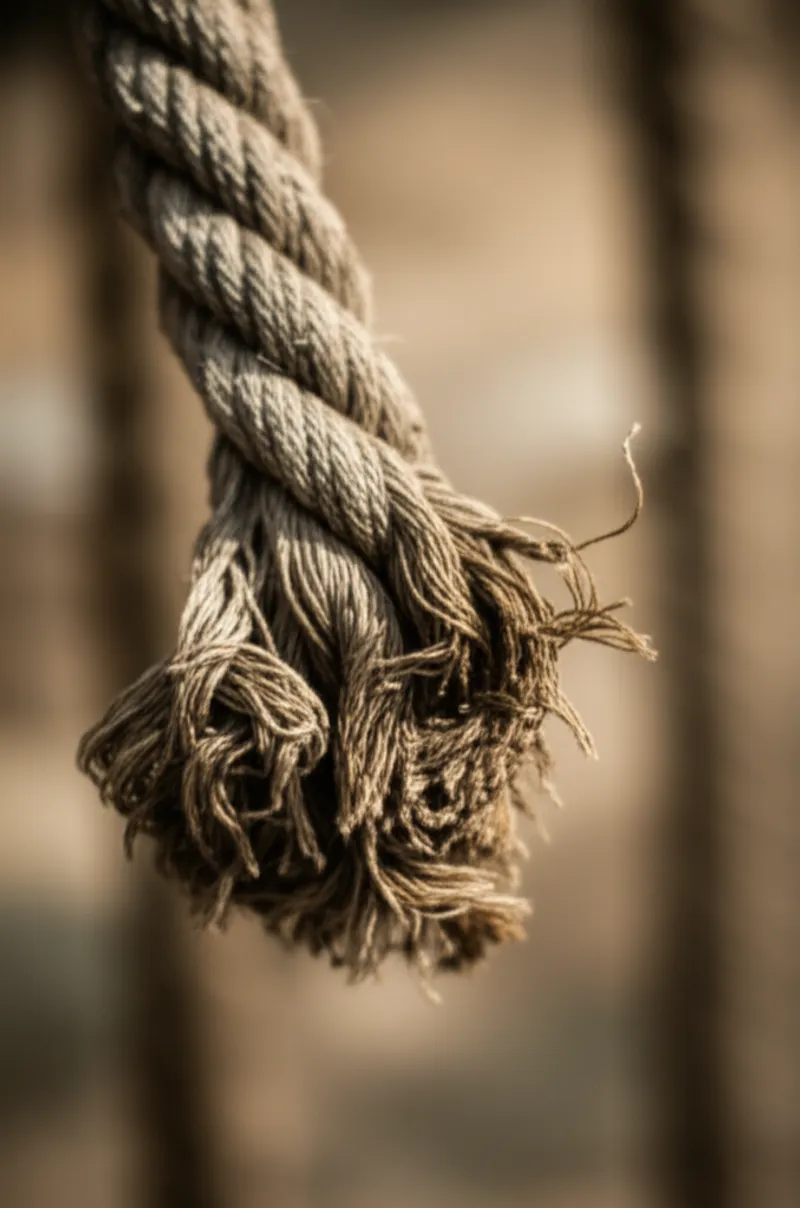


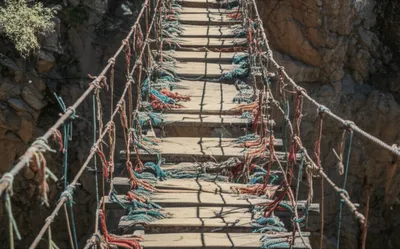
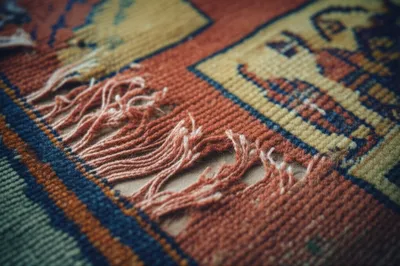
verb🔗Share해지다, 닳아지다To (cause to) unravel; used particularly for the edge of something made of cloth, or the end of a rope."The ribbon frayed at the cut end."리본이 잘린 끝에서 해졌다.materialwearChat with AIVocabulary GamePractice Reading
verb🔗Share지치게 하다, 닳게 하다To cause exhaustion, wear out (a person's mental strength)."The hectic day ended in frayed nerves. (Metaphorical use; nerves are visualised as strings)"정신없는 하루는 지친 신경으로 끝났다.mindactionconditionsufferingwearChat with AIVocabulary GamePractice Reading
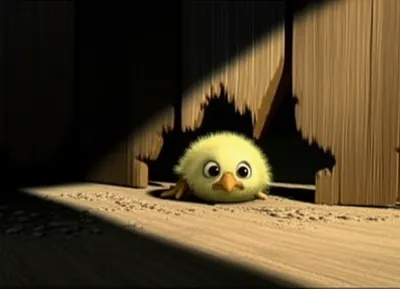
verb🔗Share겁먹게 하다, 놀라게 하다Frighten; alarm"The loud crash in the kitchen frayed her nerves. "부엌에서 나는 큰 소리에 그녀는 겁을 먹었다.emotionsensationmindChat with AIVocabulary GamePractice Reading
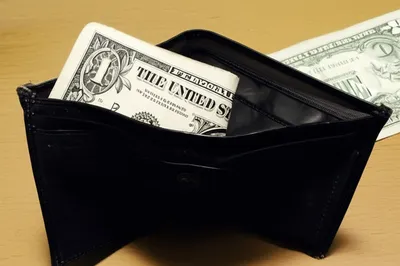
verb🔗Share지불하다, 부담하다To bear the expense of; to defray."The university offered her a scholarship to fray the costs of tuition and living expenses. "그 대학교는 그녀에게 학비와 생활비를 지불하기 위해 장학금을 제공했다.financebusinessChat with AIVocabulary GamePractice Reading
verb🔗Share비비다, 닳게 하다To rub."The student frayed the edges of the paper while drawing the intricate design. "학생은 복잡한 디자인을 그리면서 종이의 가장자리를 비볐다.materialwearChat with AIVocabulary GamePractice Reading
adjective🔗Share해진, 닳은Unravelled, worn at the end or edge."The old jeans had frayed cuffs, showing many loose threads. "낡은 청바지는 해진 커프스를 가지고 있었고, 많은 헐거운 실을 보여주었다.wearmaterialconditionappearanceChat with AIVocabulary GamePractice Reading