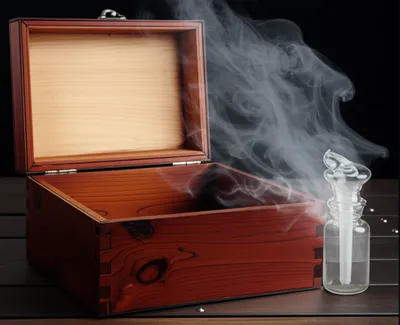
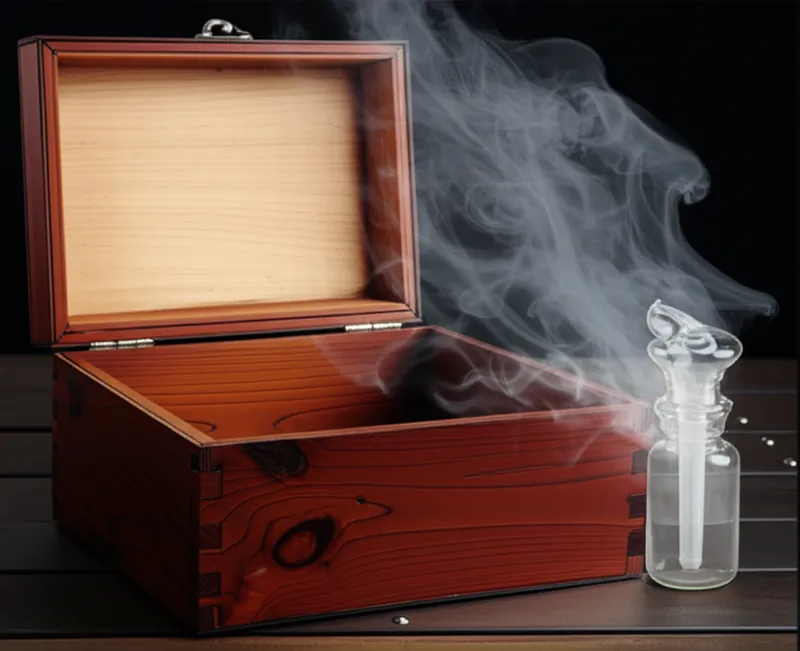
verb 다운로드 🔗공유 훈증하다 To expose (something) to fumes; specifically, to expose wood, etc., to ammonia in order to produce dark tints. Examples : "The craftsman fumed the oak planks with ammonia to achieve a rich, dark brown color for the table. " 장인은 테이블의 풍부하고 짙은 갈색을 얻기 위해 참나무 판자를 암모니아로 훈증했습니다. material chemistry process AI와 채팅어휘 게임독해 연습
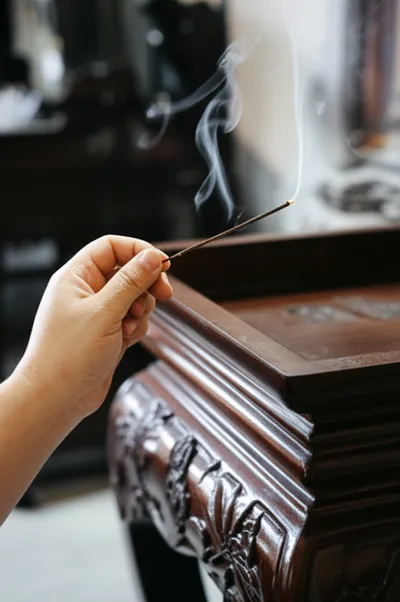
verb 다운로드 🔗공유 향을 피우다 To apply or offer incense to. Examples : "The priest fumed the altar with sweet-smelling incense before the service began. " 사제가 예배 전에 향기로운 향으로 제단에 향을 피웠다. ritual religion AI와 채팅어휘 게임독해 연습
verb 다운로드 🔗공유 연기를 내뿜었다, 증기를 뿜었다 To emit fumes. Examples : "The old car fumed black smoke as it struggled up the hill. " 오래된 차는 언덕을 힘겹게 올라가면서 검은 연기를 내뿜었다. environment chemistry AI와 채팅어휘 게임독해 연습
verb 다운로드 🔗공유 연기를 내뿜다, 증기를 내다 To pass off in fumes or vapours. Examples : "The overflowing compost bin fumed unpleasantly, filling the backyard with a strong odor. " 넘쳐나는 퇴비통에서 불쾌한 연기가 뿜어져 나와 뒷마당을 강한 냄새로 채웠다. chemistry substance AI와 채팅어휘 게임독해 연습
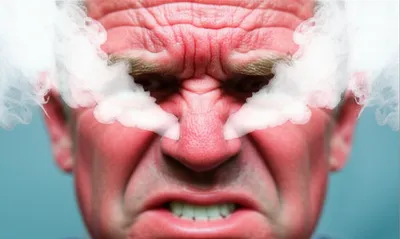
verb 다운로드 🔗공유 격노하다, 분노하다 To express or feel great anger. Examples : "He’s still fuming about the argument they had yesterday." 그는 어제 그들이 했던 말다툼에 대해 아직도 분노하고 있다. emotion mind character AI와 채팅어휘 게임독해 연습
verb 다운로드 🔗공유 연기를 내뿜다, 김이 나다 To be as in a mist; to be dulled and stupefied. Examples : "After a long day staring at the computer screen, Sarah's eyes fumed, making it difficult to focus. " 컴퓨터 화면을 오랫동안 쳐다본 후, 사라의 눈에서 연기가 나서 집중하기 어려웠다. mind sensation condition AI와 채팅어휘 게임독해 연습