






verb🔗Share추측하다, 짐작하다To reach a partly (or totally) unqualified conclusion."I guess I'll have to stay home from school today. "오늘 학교에 가지 못하고 집에 있어야 할 것 같아.mindactiontheorypossibilityessentialChat with AIVocabulary GamePractice Reading
verb🔗Share추측하다, 짐작하다To solve by a correct conjecture; to conjecture rightly."He who guesses the riddle shall have the ring."수수께끼를 맞추는 자는 반지를 얻을 것이다.mindactionpossibilityessentialChat with AIVocabulary GamePractice Reading
verb🔗Share추측하다, 짐작하다To suppose (introducing a proposition of uncertain plausibility)."That album is quite hard to find, but I guess you could try ordering it online."그 앨범은 구하기가 꽤 어렵지만, 온라인으로 주문해 볼 수 있을 거라고 추측해요.mindphilosophytheoryessentialChat with AIVocabulary GamePractice Reading
verb🔗Share추측하다, 생각하다To think, conclude, or decide (without a connotation of uncertainty). Usually in first person: "I guess"."I guess I'll have to study more for the math test tomorrow. "내일 수학 시험을 위해 더 공부해야 할 것 같아.mindlanguagecommunicationessentialChat with AIVocabulary GamePractice Reading
verb🔗Share추측하다, 짐작하다To hit upon or reproduce by memory."My sister could guess the lyrics to the song from just a few notes. "내 여동생은 단 몇 음표만으로 노래 가사를 추측할 수 있었다.mindactionabilityessentialChat with AIVocabulary GamePractice Reading
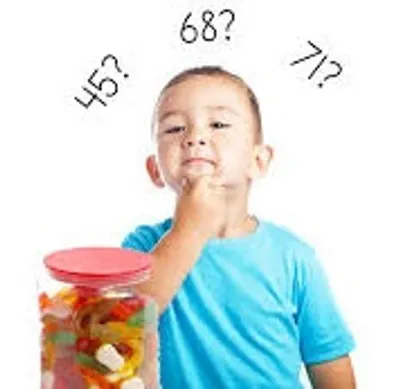
noun🔗Share추측, 짐작A prediction about the outcome of something, typically made without factual evidence or support."My guess is that the test will be difficult. "제 추측은 시험이 어려울 것이라는 것입니다.outcomepossibilityessentialChat with AIVocabulary GamePractice Reading