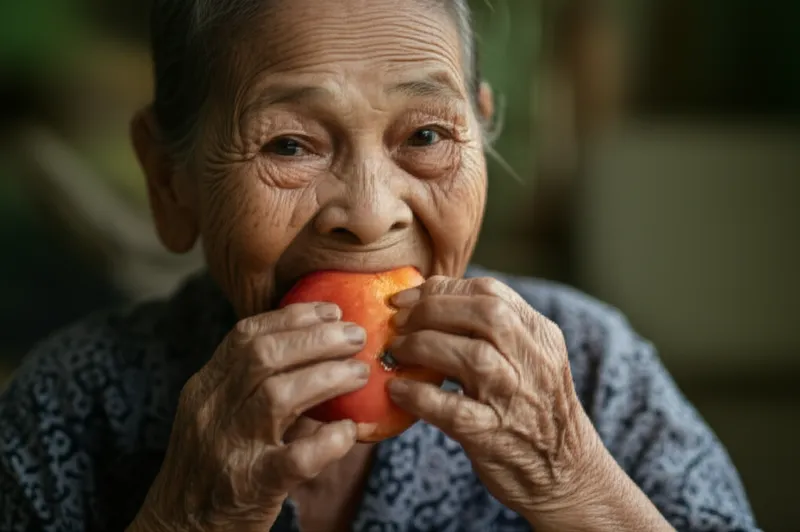
verb 다운로드 🔗공유 씹다 To chew, especially of a toothless person or animal. Examples : "The elderly woman, having lost most of her teeth, gummed the soft peach. " 대부분의 이를 잃은 노부인은 부드러운 복숭아를 씹었다. animal food body physiology action AI와 채팅어휘 게임독해 연습
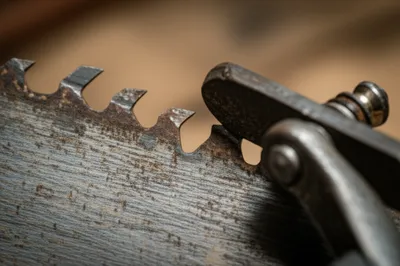
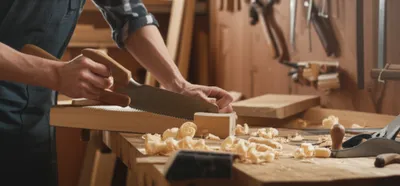
verb 다운로드 🔗공유 닳은 톱의 이빨 사이 공간을 넓히고 깊게 하다 To deepen and enlarge the spaces between the teeth of (a worn saw), as with a gummer. Examples : "The carpenter gummed the teeth of the worn-out saw, making it sharper and more effective. " 목수는 닳은 톱의 이빨 사이 공간을 넓혀서 더 날카롭고 효과적으로 만들었다. technical machine work AI와 채팅어휘 게임독해 연습
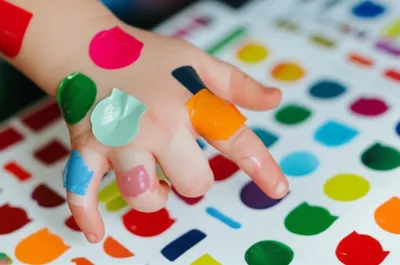
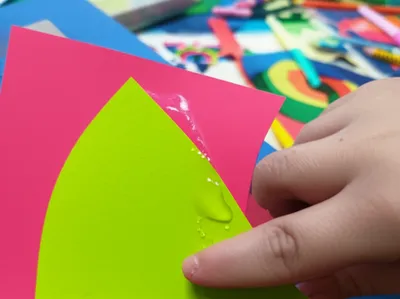
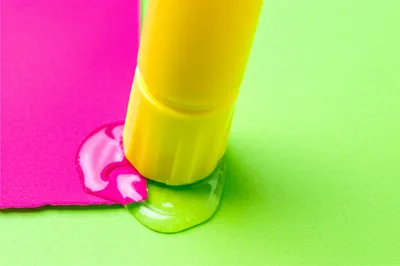
verb 다운로드 🔗공유 풀칠하다, 붙이다 (sometimes with up) To apply an adhesive or gum to; to make sticky by applying a sticky substance to. Examples : "The child gummed stickers all over his notebook. " 아이가 공책 전체에 스티커를 붙였다. material substance action AI와 채팅어휘 게임독해 연습
verb 다운로드 🔗공유 풀로 붙이다, 접착하다 To stiffen with glue or gum. Examples : "The old envelope, unused for years, had gummed shut, making it difficult to open. " 오래 사용하지 않은 낡은 봉투는 풀로 붙어 열기가 어려웠다. material substance chemistry AI와 채팅어휘 게임독해 연습
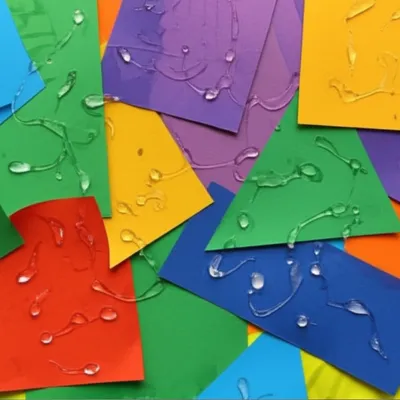
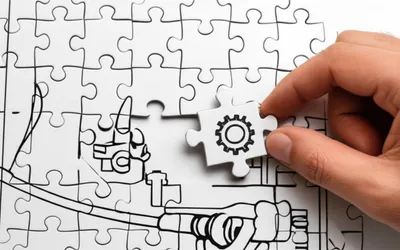
verb 다운로드 🔗공유 함께 붙이다, 대충 붙이다 (sometimes with together) To inelegantly attach into a sequence. Examples : "The child gummed the construction paper scraps together with too much glue, creating a messy, uneven collage. " 아이는 너무 많은 풀로 공작용 종이 조각들을 함께 붙여서 지저분하고 고르지 못한 콜라주를 만들었다. action process AI와 채팅어휘 게임독해 연습
verb 다운로드 🔗공유 방해하다, 막다 (with up) To impair the functioning of a thing or process. Examples : "That cheap oil will gum up the engine valves." 그 싼 오일은 엔진 밸브를 막을 것이다. function process technical machine AI와 채팅어휘 게임독해 연습