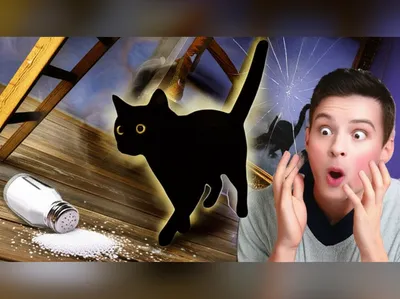
noun 다운로드 🔗공유 저주, 불운 A hex; an evil spell. Examples : "The superstitious teacher believed a broken pencil was a jinx, and avoided using it. " 미신적인 선생님은 부러진 연필이 불운이라고 믿고 그것을 사용하지 않았다. curse mythology supernatural religion AI와 채팅어휘 게임독해 연습
noun 다운로드 🔗공유 불운을 가져오는 사람, 재수 없는 사람 A person or thing supposed to bring bad luck. Examples : "The old, chipped mug was a jinx; every time Sarah used it, she'd spill her coffee. " 오래되고 깨진 머그잔은 재수 없는 물건이었다. 사라가 그것을 사용할 때마다 커피를 쏟았다. supernatural curse mythology religion tradition AI와 채팅어휘 게임독해 연습
verb 다운로드 🔗공유 저주하다, 불운을 가져오다 To cast a spell on. Examples : "I accidentally said we would win the game, and my friend joked that I had just jinxed us. " 나는 실수로 우리가 게임에서 이길 거라고 말했고, 친구는 내가 우리에게 저주를 걸었다고 농담했다. curse mythology religion supernatural AI와 채팅어휘 게임독해 연습
verb 다운로드 🔗공유 불운을 가져오다, 재수 없게 만들다 To bring bad luck to. Examples : "My younger brother jinxed our team's chances of winning the school bake-off by spilling flour all over the display table. " 내 남동생은 전시 테이블에 밀가루를 쏟아 우리 팀이 학교 베이킹 대회를 우승할 기회를 재수 없게 만들었다. curse supernatural negative AI와 채팅어휘 게임독해 연습
verb 다운로드 🔗공유 불운을 가져오다, 재수 없게 만들다 To cause something to happen by mentioning it, usually sarcastically. Examples : ""I jinxed my presentation; as soon as I mentioned I was hoping for a good grade, I completely bombed it." " 나는 내 발표를 재수 없게 만들었다. 좋은 점수를 기대한다고 말하자마자 완전히 망쳤다. supernatural curse action AI와 채팅어휘 게임독해 연습
interjection 다운로드 🔗공유 이런! Used after the same response is said by two people simultaneously. Examples : ""I'm tired." "Me too!" Jinx! " “피곤해.” “나도!” 이런! language culture communication tradition phrase entertainment exclamation AI와 채팅어휘 게임독해 연습