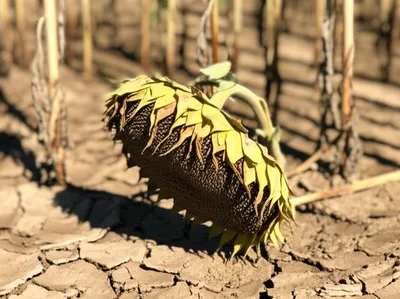
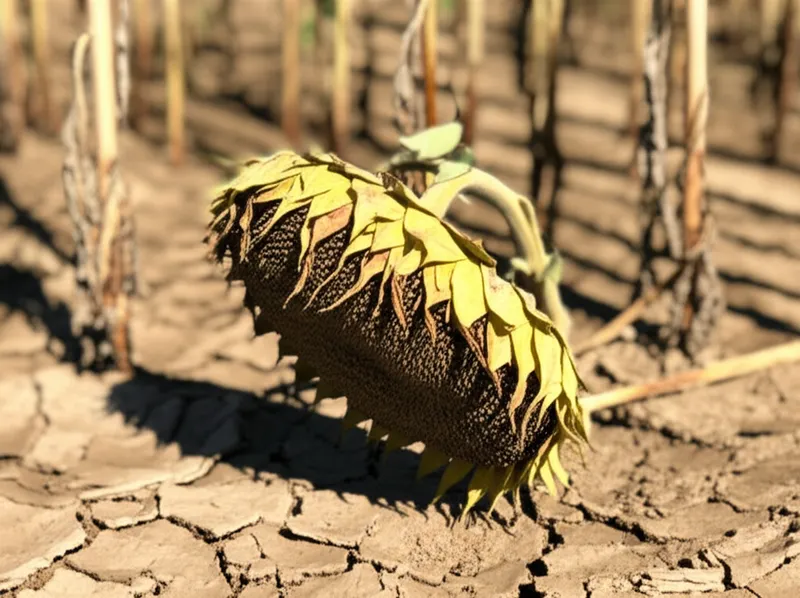
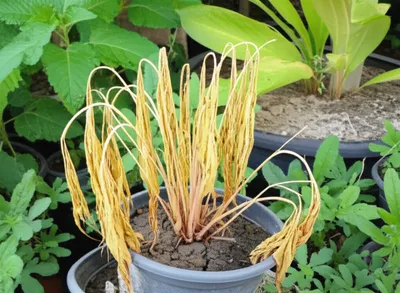
verb 다운로드 🔗공유 쇠약해지다, 쇠하다 To lose strength and become weak; to be in a state of weakness or sickness. Examples : "The neglected plant began to languish without water and sunlight. " 방치된 식물은 물과 햇빛 없이 쇠약해지기 시작했다. disease body condition physiology AI와 채팅어휘 게임독해 연습
verb 다운로드 🔗공유 애타게 그리워하다, 시들해지다 To pine away in longing for something; to have low spirits, especially from lovesickness. Examples : "He languished without his girlfriend" 그는 여자친구 없이 애타게 그리워했다. emotion mind suffering condition human literature AI와 채팅어휘 게임독해 연습
verb 다운로드 🔗공유 쇠약해지다, 시들다 To live in miserable or disheartening conditions. Examples : "He languished in prison for years" 그는 수년간 감옥에서 쇠약해졌다. condition suffering emotion mind AI와 채팅어휘 게임독해 연습
verb 다운로드 🔗공유 쇠퇴하다, 시들해지다 To be neglected; to make little progress, be unsuccessful. Examples : "The case languished for years before coming to trial." 그 사건은 재판에 회부되기 전에 수년간 쇠퇴했다. condition mind body suffering AI와 채팅어휘 게임독해 연습
verb 다운로드 🔗공유 쇠약하게 하다, 약화시키다 To make weak; to weaken, devastate. Examples : "The long, harsh winter had languished the farmer's crops, leaving them weak and barely able to survive. " 길고 혹독한 겨울은 농부의 작물을 쇠약하게 만들어 약해지고 간신히 살아남을 수 있게 했습니다. body medicine disease suffering condition physiology AI와 채팅어휘 게임독해 연습
verb 다운로드 🔗공유 가식적으로 나른한 척하다 To affect a languid air, especially disingenuously. Examples : "Maria, hoping for attention, would languish theatrically in her chair whenever her mother asked her to do chores, pretending to be too tired to move. " 마리아는 관심을 받기 위해 어머니가 집안일을 시킬 때마다 의자에 가식적으로 나른한 척하며 너무 피곤해서 움직일 수 없는 척했다. attitude character appearance mind AI와 채팅어휘 게임독해 연습