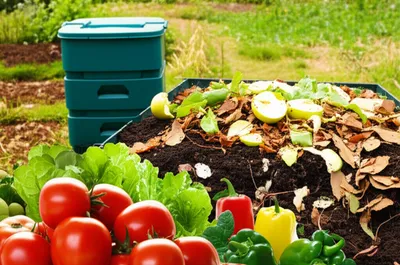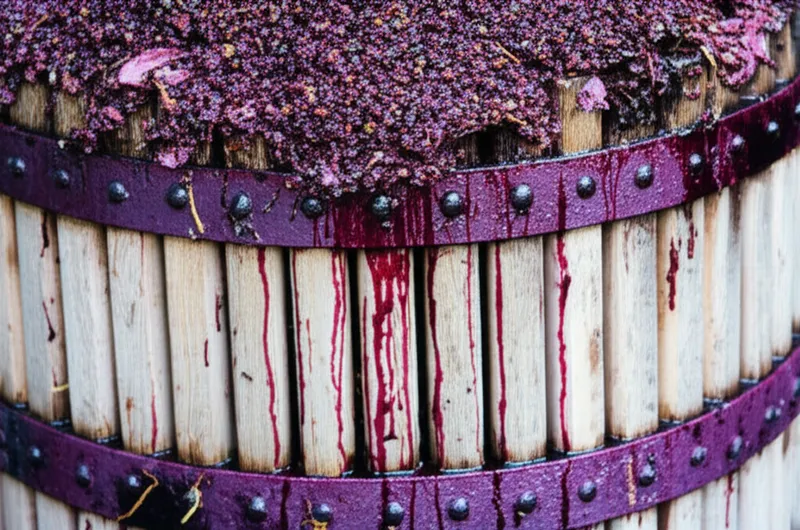

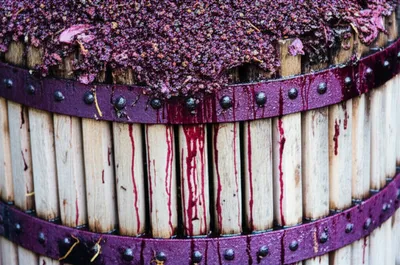
noun🔗Share포도 찌꺼기The refuse matter that remains after fruit, particularly grapes, has been pressed."After pressing the grapes for wine, the farmer composted the marc in the garden to enrich the soil. "포도주를 위해 포도를 짜낸 후, 농부는 토양을 비옥하게 하기 위해 정원에서 포도 찌꺼기를 퇴비로 만들었다.fruitagriculturefooddrinkChat with AIVocabulary GamePractice Reading
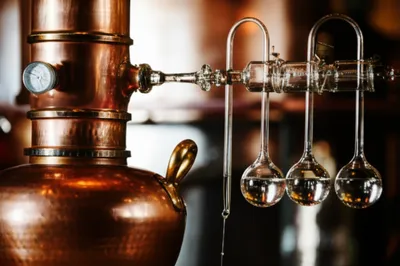
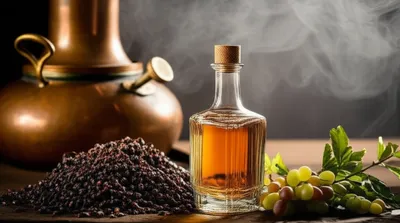
noun🔗Share마르크An alcoholic spirit distilled from the marc of grapes."After a long day working at the vineyard, the owner enjoyed a small glass of marc distilled from the leftover grape skins. "포도밭에서 오랜 하루를 보낸 후, 주인은 남은 포도 껍질로 증류한 작은 잔의 마르크를 즐겼다.drinksubstanceChat with AIVocabulary GamePractice Reading
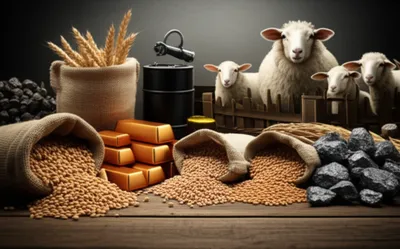
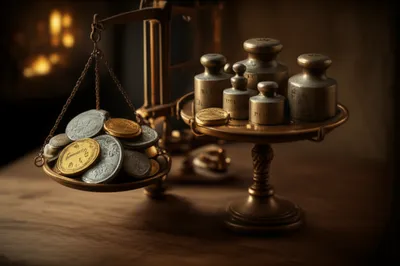
noun🔗Share무게, 척도A weight of various commodities, especially of gold and silver, used in different European countries. In France and Holland it was equal to eight ounces."The jeweler carefully weighed the gold dust, ensuring each customer received exactly one marc according to the traditional French standard. "보석상은 전통적인 프랑스 표준에 따라 각 고객이 정확히 1 무게를 받도록 금가루를 조심스럽게 측정했습니다.valueamountbusinesshistoryeconomyChat with AIVocabulary GamePractice Reading
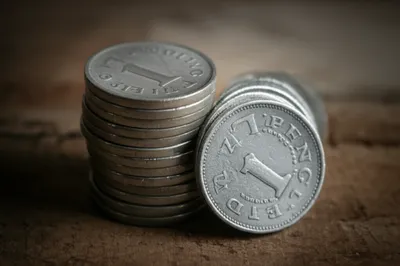
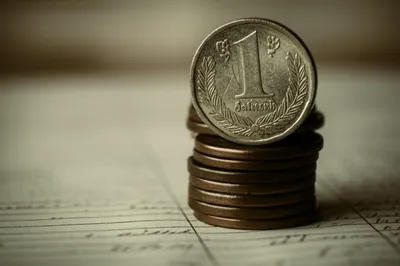
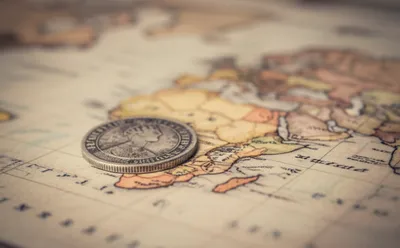
noun🔗Share마르크A coin formerly current in England and Scotland, equal to thirteen shillings and four pence.""Back then, a skilled craftsman could earn a marc in a week, enough to support his family." "그 당시에는 숙련된 장인이 일주일에 마르크를 벌 수 있었고, 가족을 부양하기에 충분했습니다.historyeconomyfinancevalueChat with AIVocabulary GamePractice Reading
noun🔗Share마르크A German coin and money of account; the mark."The old German postcard cost five marc. "오래된 독일 엽서는 5마르크였다.worldfinanceeconomybusinesshistoryChat with AIVocabulary GamePractice Reading