verb 다운로드 🔗공유 발효시키다 To add a leavening agent. Examples : "The baker leavened the dough with yeast to make it rise. " 빵 굽는 사람은 반죽을 부풀리기 위해 효모로 발효시켰다. food agriculture AI와 채팅어휘 게임독해 연습
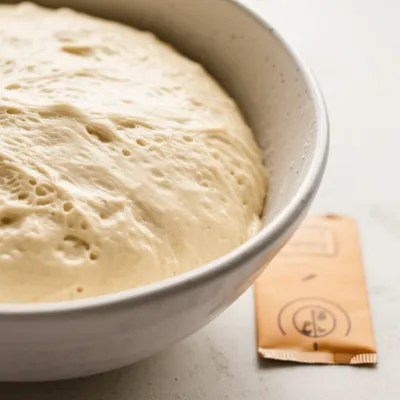
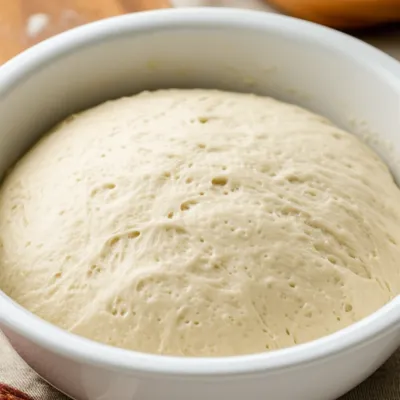
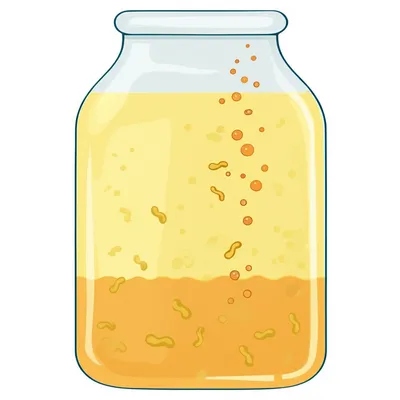
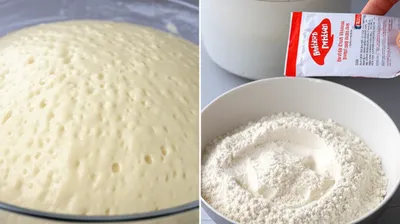
verb 다운로드 🔗공유 발효시키다, 부풀게 하다 To cause to rise by fermentation. Examples : "The baker leavened the dough with yeast, making it rise and become light and fluffy. " 빵집 주인이 효모로 반죽을 발효시켜 부풀어 오르고 가볍고 푹신하게 만들었다. food process agriculture AI와 채팅어휘 게임독해 연습
verb 다운로드 🔗공유 누그러뜨리다, 완화하다 To temper an action or decision. Examples : "She leavened her criticism with a compliment to make it easier for him to accept. " 그녀는 그가 받아들이기 쉽도록 칭찬으로 비판을 누그러뜨렸다. action attitude way AI와 채팅어휘 게임독해 연습
verb 다운로드 🔗공유 스며들게 하다, 감염시키다, 손상시키다 To imbue; to infect; to vitiate. Examples : "The teacher's negative attitude leavened the entire class with a sense of dread about the upcoming test. " 선생님의 부정적인 태도는 다가오는 시험에 대한 두려움으로 반 전체에 스며들게 했다. negative condition microorganism AI와 채팅어휘 게임독해 연습
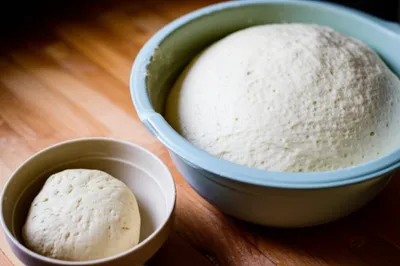
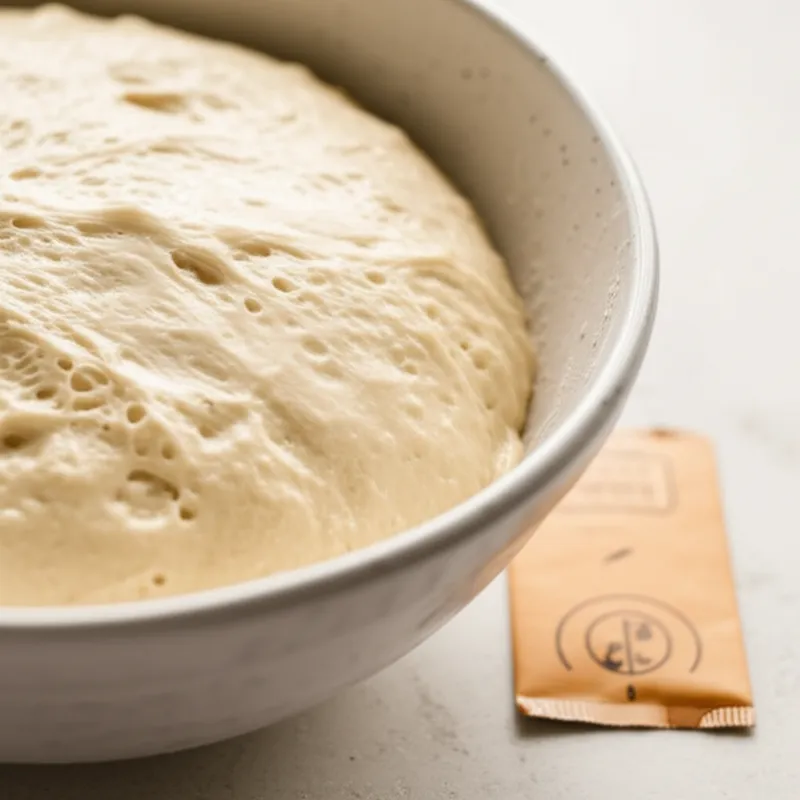
verb 다운로드 🔗공유 부풀다, 부풀어 오르다 To rise or become larger. Examples : "The bread dough leavened in a warm place, becoming twice its original size. " 빵 반죽은 따뜻한 곳에서 부풀어 원래 크기의 두 배가 되었다. food process AI와 채팅어휘 게임독해 연습
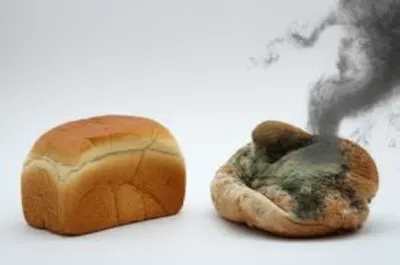
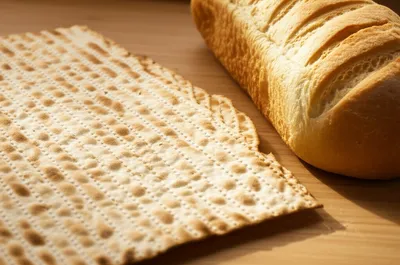
adjective 다운로드 🔗공유 발효된 Prepared using leavening Examples : "The leavened bread was light and fluffy, unlike the dense, unleavened crackers. " 발효된 빵은 밀도가 높은 무발효 크래커와 달리 가볍고 푹신했다. food AI와 채팅어휘 게임독해 연습