
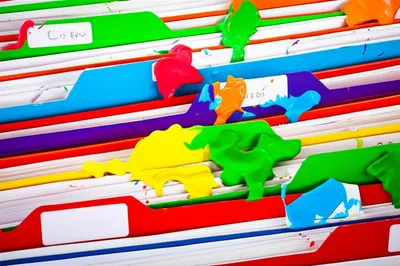
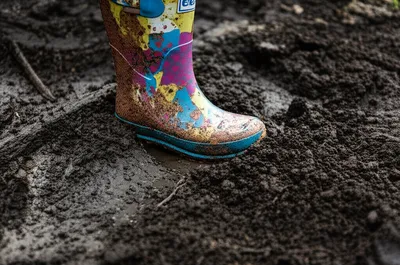

verb🔗Share진흙을 묻히다To get mud on (something)."The dog ran through the puddle and muddied my shoes. "개가 웅덩이를 지나가면서 내 신발에 진흙을 묻혔다.environmentnatureChat with AIVocabulary GamePractice Reading
verb🔗Share혼란스럽게 하다, 엉망으로 만들다To make a mess of, or create confusion with regard to; to muddle."The discussion only muddied their understanding of the subject."그 논의는 그들의 주제에 대한 이해를 혼란스럽게 만들었다.actionsituationprocesswordChat with AIVocabulary GamePractice Reading
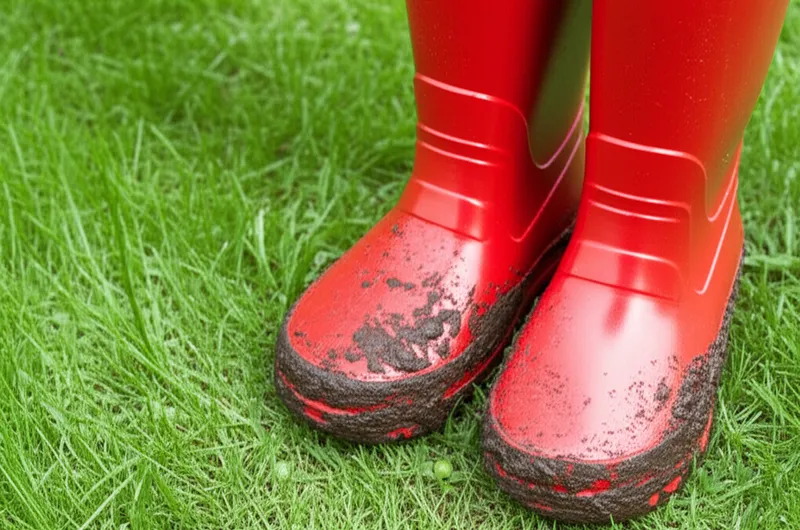
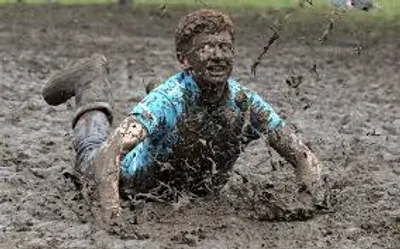
adjective🔗Share진흙투성이의, 질척한Covered with or full of mud or wet soil."He slogged across the muddy field."그는 진흙투성이의 들판을 가로질러 힘겹게 걸어갔다.environmentgeologynatureconditionChat with AIVocabulary GamePractice Reading
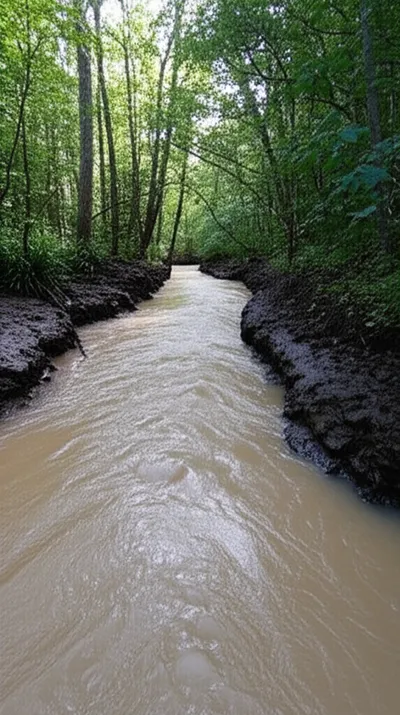
adjective🔗Share진흙투성이의, 흐린With mud or other sediment brought into suspension, turbid."The previously limpid water was now muddy as a result of the epic struggle."이전에는 맑았던 물이 장대한 싸움의 결과로 이제 진흙투성이가 되었다.environmentgeologyweathernatureChat with AIVocabulary GamePractice Reading
adjective🔗Share흐린, 탁한Not clear; mixed up or blurry."The instructions for the project were muddy, making it difficult to understand what we were supposed to do. "프로젝트 지침이 흐릿해서 우리가 무엇을 해야 하는지 이해하기 어려웠습니다.qualityconditionappearanceChat with AIVocabulary GamePractice Reading
adjective🔗Share혼란스러운, 멍청한, 앞뒤가 안 맞는, 모호한Confused; stupid; incoherent; vague."Her explanation of the project was muddy; it didn't make any sense. "그녀의 프로젝트 설명은 혼란스러웠고, 아무런 의미가 없었다.mindcharacterattitudeChat with AIVocabulary GamePractice Reading
adjective🔗Share똥으로 더러워진Soiled with feces."The diaper was muddy, so I needed to change the baby immediately. "기저귀가 똥으로 더러워져서 아기를 즉시 갈아줘야 했다.appearanceconditionChat with AIVocabulary GamePractice Reading