noun 다운로드 🔗공유 별도의 품목, 개별 품목 (usually in the plural) Anything that is sold by itself, especially an article of clothing. Examples : "The store had many different dress separates for sale. " 그 가게는 판매용 드레스의 다양한 별도 품목을 가지고 있었다. item wear essential AI와 채팅어휘 게임독해 연습
verb 다운로드 🔗공유 분리하다, 나누다 To divide (a thing) into separate parts. Examples : "Separate the articles from the headings." 기사를 제목에서 분리하세요. part action essential AI와 채팅어휘 게임독해 연습
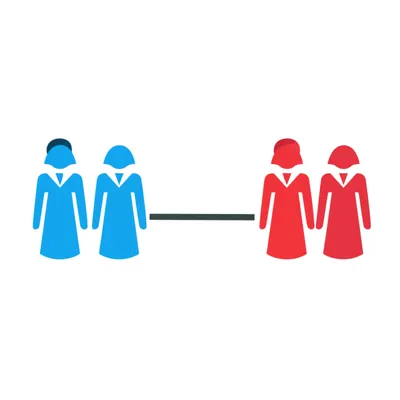
verb 다운로드 🔗공유 분리하다, 나누다 To disunite from a group or mass; to disconnect. Examples : "The students separated from the group to go to their different classes. " 학생들은 각자 다른 수업을 들으러 그룹에서 분리되었다. group action essential AI와 채팅어휘 게임독해 연습
verb 다운로드 🔗공유 분리하다, 나누다 To cause (things or people) to be separate. Examples : "If the kids get too noisy, separate them for a few minutes." 아이들이 너무 시끄러워지면 잠시 동안 그들을 분리하세요. action process condition situation essential AI와 채팅어휘 게임독해 연습
verb 다운로드 🔗공유 분리하다, 나누다 To divide itself into separate pieces or substances. Examples : "The spilled juice separated the paper into two distinct pieces. " 쏟아진 주스는 종이를 두 개의 뚜렷한 조각으로 분리했다. part substance process essential AI와 채팅어휘 게임독해 연습
verb 다운로드 🔗공유 분리하다, 가려내다 To set apart; to select from among others, as for a special use or service. Examples : "The teacher separated the students into two groups for the science experiment. " 선생님은 과학 실험을 위해 학생들을 두 그룹으로 나누었습니다. action organization system essential AI와 채팅어휘 게임독해 연습
adjective 다운로드 🔗공유 분리된, 떨어진 Apart from (the rest); not connected to or attached to (anything else). Examples : "This chair can be disassembled into five separate pieces." 이 의자는 다섯 개의 분리된 조각으로 분해할 수 있습니다. part space essential AI와 채팅어휘 게임독해 연습
adjective 다운로드 🔗공유 떨어진, 분리된 (followed by “from”) Not together (with); not united (to). Examples : "I try to keep my personal life separate from work." 나는 개인적인 삶을 일과 분리하려고 노력한다. group condition situation essential AI와 채팅어휘 게임독해 연습