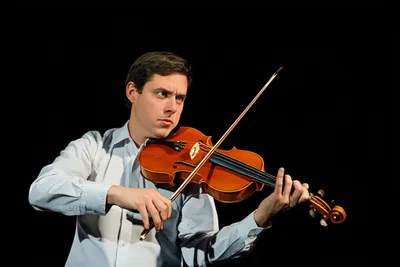
noun 다운로드 🔗공유 모방자, 흉내쟁이 A person who practices mimicry, or mime. Examples : "The mimic entertained the children with a funny imitation of their teacher. " 흉내쟁이는 아이들에게 선생님의 재미있는 흉내로 즐거움을 선사했다. person entertainment art AI와 채팅어휘 게임독해 연습
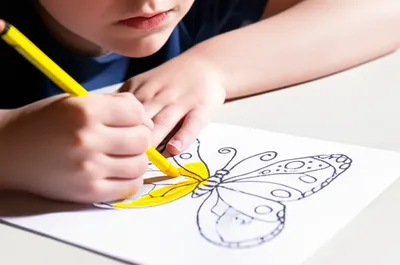
noun 다운로드 🔗공유 흉내, 모방 An imitation. Examples : "The child's mimic of the teacher's gestures was quite funny. " 아이의 선생님 제스처 흉내는 꽤 웃겼다. art entertainment style character AI와 채팅어휘 게임독해 연습
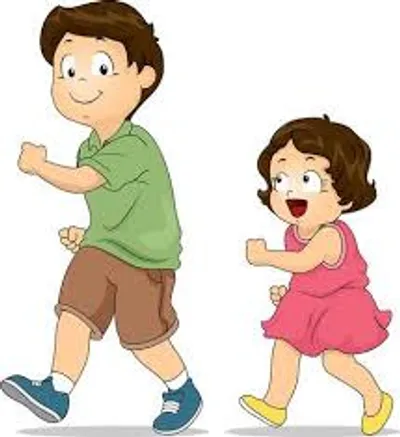
verb 다운로드 🔗공유 흉내 내다, 모방하다, 조롱하다 To imitate, especially in order to ridicule. Examples : "The little brother tried to mimic his older sister's dramatic sighs, but it was only meant to make fun of her. " 어린 남동생은 누나의 극적인 한숨을 흉내내려 했지만, 그녀를 놀리기 위한 의도였다. entertainment action communication language style character AI와 채팅어휘 게임독해 연습
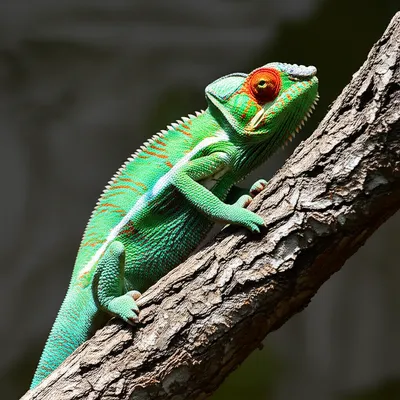
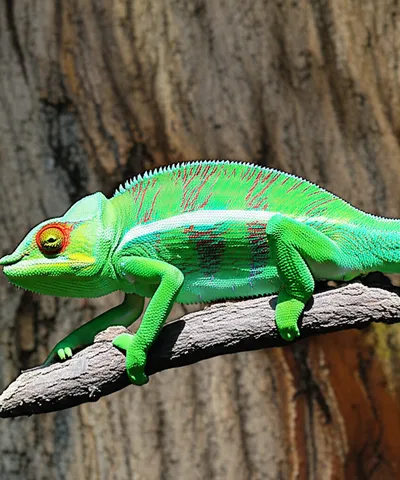
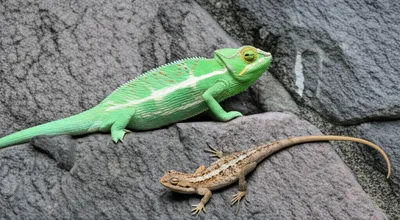
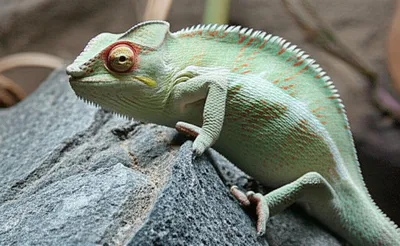
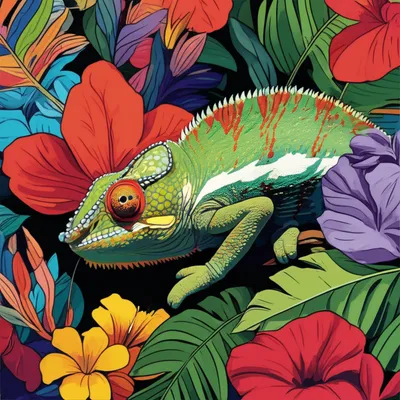
verb 다운로드 🔗공유 흉내내다, 모방하다 To take on the appearance of another, for protection or camouflage. Examples : "The young chameleon mimicked the color of the tree trunk to avoid being seen by predators. " 어린 카멜레온은 포식자에게 보이지 않기 위해 나무 줄기의 색깔을 흉내냈다. appearance biology animal nature AI와 채팅어휘 게임독해 연습
adjective 다운로드 🔗공유 흉내내는, 모방하는 Pertaining to mimicry; imitative. Examples : "The child's mimic movements during the play were a charming display of imitation. " 연극 중에 아이의 흉내내는 동작은 모방의 매력적인 전시였습니다. appearance action AI와 채팅어휘 게임독해 연습
adjective 다운로드 🔗공유 흉내 낸, 가짜의 Mock, pretended. Examples : "He wore a mimic smile, masking his disappointment at not winning the game. " 그는 게임에서 이기지 못한 실망감을 감추기 위해 흉내 낸 미소를 지었다. appearance character AI와 채팅어휘 게임독해 연습
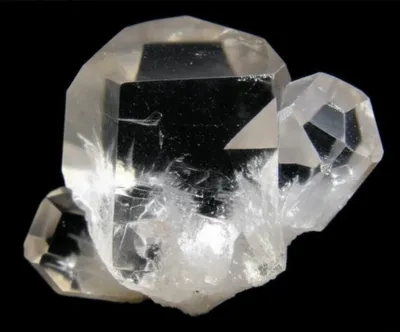
adjective 다운로드 🔗공유 모방하는, 흉내내는 Imitative; characterized by resemblance to other forms; applied to crystals which by twinning resemble simple forms of a higher grade of symmetry. Examples : "The mimic crystal, though appearing simple, revealed a complex structure upon closer inspection. " 모방 결정은 단순해 보이지만, 자세히 살펴보니 복잡한 구조를 드러냈다. nature science geology AI와 채팅어휘 게임독해 연습