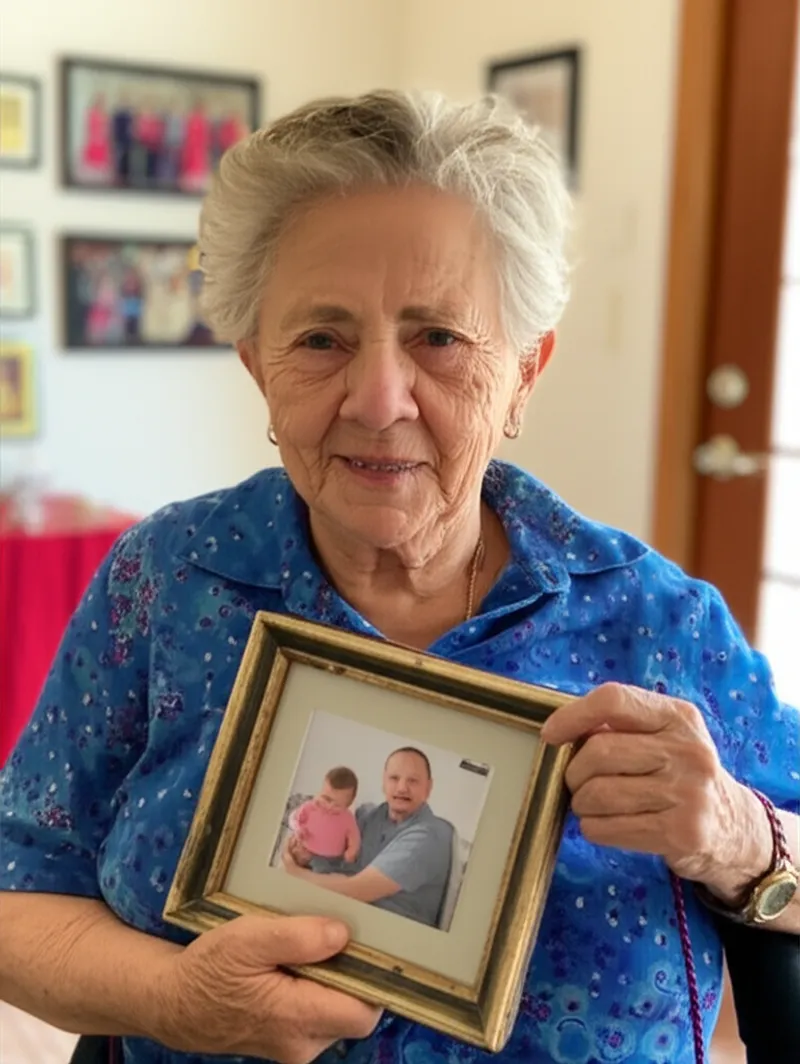







noun🔗Share할머니A mother of someone's parent."My nan always tells me stories about when my dad was a little boy. "우리 할머니는 항상 아빠가 어렸을 때 이야기를 해 주신다.familypersonChat with AIVocabulary GamePractice Reading
noun🔗Share여성 조상A female ancestor or progenitor."My nan used to tell me stories about her childhood. "우리 할머니는 어릴 적 이야기를 자주 해주셨어요.familypersonhumanhistoryChat with AIVocabulary GamePractice Reading
noun🔗Share소녀, 아가씨A girl or an unmarried young woman; maiden."In the old poem, the knight swore to protect the nan from danger. "옛 시에서 기사는 소녀를 위험으로부터 보호하겠다고 맹세했다.personhumanagefamilyChat with AIVocabulary GamePractice Reading
noun🔗Share하녀A female servant or cleaner (short for maidservant)."Mrs. Davis thanked the nan for cleaning the house so thoroughly. "데이비스 부인은 집을 그렇게 깨끗하게 청소해준 하녀에게 고마워했다.personjobworksocietyChat with AIVocabulary GamePractice Reading
noun🔗Share처녀A virgin, now female but originally one of either gender."The science fiction novel featured a nan who struggled to understand human relationships after living in isolation. "그 과학 소설은 고립된 생활을 한 후 인간 관계를 이해하려고 고군분투하는 처녀를 다루었습니다.personsexbodyhumanChat with AIVocabulary GamePractice Reading
noun🔗Share계집애, 게이An effeminate man, especially a homosexual.personhumansexattitudesocietycultureChat with AIVocabulary GamePractice Reading
noun🔗Share보모, 유모A woman or girl employed to care for children""Since both parents work, they hired a nan to look after the children after school." "부모님 두 분 다 일하시기 때문에, 그들은 학교가 끝난 후 아이들을 돌보기 위해 보모를 고용했다.familypersonjobhumanChat with AIVocabulary GamePractice Reading
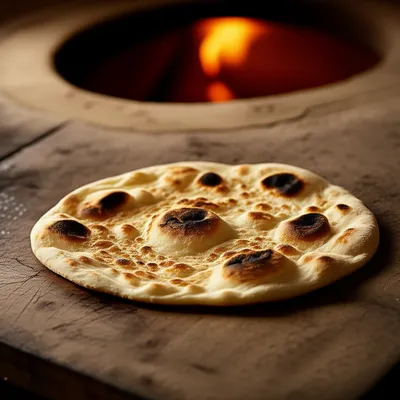
noun🔗Share난A type of round, flat bread baked in a tandoor popular in South and Central Asian cuisine."We ordered garlic nan to eat with our Indian curry. "우리는 인도 카레와 함께 먹을 마늘 난을 주문했다.foodcultureChat with AIVocabulary GamePractice Reading