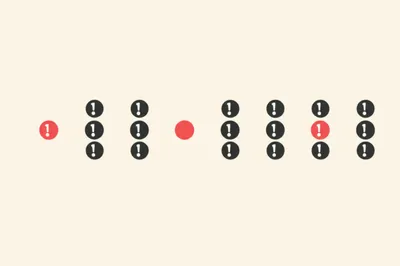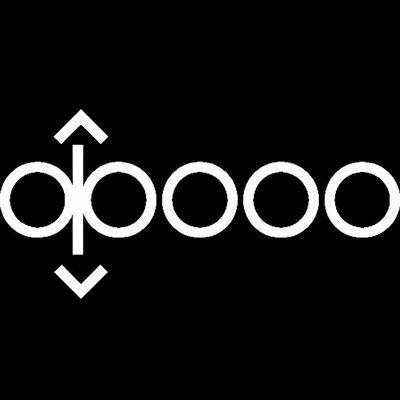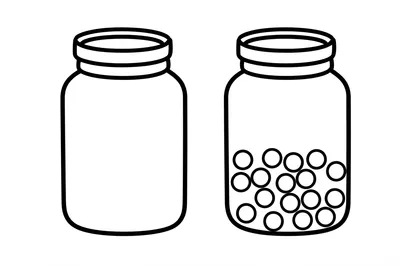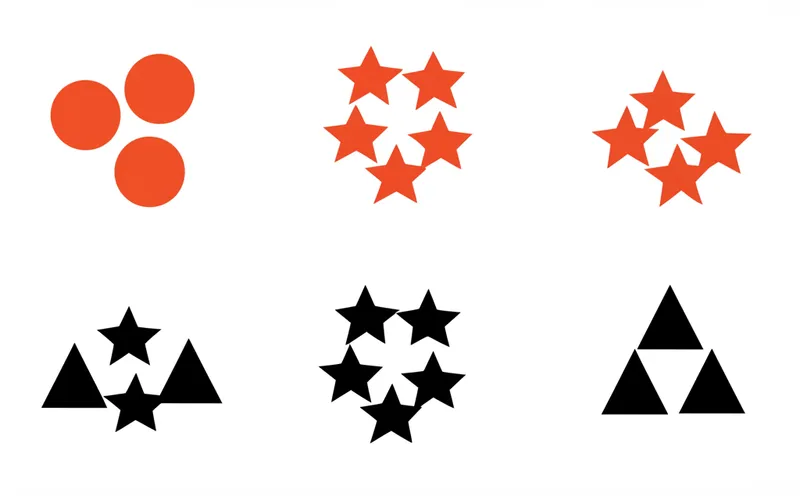






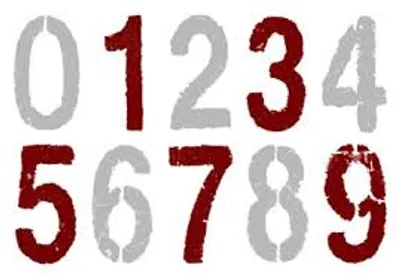





noun🔗Share홀수(diminutive) An odd number."The teacher asked the class to find the odd numbers in the list. "선생님은 반 학생들에게 목록에서 홀수를 찾으라고 요청했습니다.numbermathessentialieltsChat with AIVocabulary GamePractice Reading
noun🔗Share나머지, 잉여Something left over, not forming part of a set."The teacher had a few odd books left over from the previous year's class. "선생님은 작년 수업에서 남은 책 몇 권을 가지고 있었다.numberamountitemessentialieltsChat with AIVocabulary GamePractice Reading
adjective🔗Share이상한, 특이한, 색다른Differing from what is usual, ordinary or expected."She slept in, which was very odd."그녀가 늦잠을 잔 것은 매우 이상했다.qualitycharacterattitudeessentialieltsChat with AIVocabulary GamePractice Reading
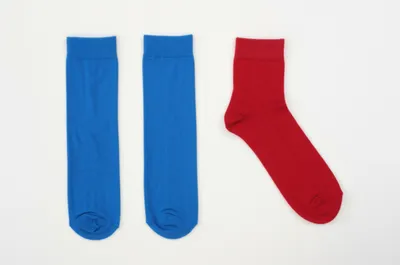
adjective🔗Share짝이 없는, 홀수의, 맞지 않는Without a corresponding mate in a pair or set; unmatched; (of a pair or set) mismatched."My cat Fluffy has odd eyes: one blue and one brown."내 고양이 플러피는 짝이 없는 눈을 가지고 있습니다: 파란색 하나와 갈색 하나.numberqualityessentialieltsChat with AIVocabulary GamePractice Reading
adjective🔗Share남은, 나머지Left over, remaining after the rest have been paired or grouped."There were three odd socks left in the drawer after the laundry. "세탁 후 서랍에는 양말 세 짝이 남았습니다.numberessentialieltsChat with AIVocabulary GamePractice Reading
adjective🔗Share남은, 나머지Left over or remaining (as a small amount) after counting, payment, etc."There were only three odd cookies left after everyone had their share. "모두가 자기 몫을 챙긴 후에는 쿠키 세 개만 남았다.amountnumberessentialieltsChat with AIVocabulary GamePractice Reading
adjective🔗Share드문드문한, 가끔의, 홀수의Scattered; occasional, infrequent; not forming part of a set or pattern."My brother has an odd habit of humming while he reads. "내 동생은 책을 읽을 때 콧노래를 흥얼거리는 이상한 버릇이 있다.frequencynumbertypeessentialieltsChat with AIVocabulary GamePractice Reading
adjective🔗Share이상한, 특이한Not regular or planned."My brother's schedule is quite odd; he has classes on Tuesdays and Thursdays, but not on Mondays. "내 형의 시간표는 꽤 이상해요. 화요일과 목요일에 수업이 있지만 월요일에는 없어요.qualitynatureessentialieltsChat with AIVocabulary GamePractice Reading
adjective🔗Share잡다한 일에 쓰이는Used or employed for odd jobs."The family hired a handyman for odd jobs around the house. "그 가족은 집 주변의 잡다한 일을 위해 잡역부를 고용했다.jobworkessentialieltsChat with AIVocabulary GamePractice Reading
adjective🔗Share홀수Numerically indivisible by two."The product of odd numbers is also odd."홀수의 곱은 또한 홀수이다.numbermathessentialieltsChat with AIVocabulary GamePractice Reading
adjective🔗Share홀수Numbered with an odd number."How do I print only the odd pages?"홀수 페이지만 어떻게 인쇄하나요?numbermathessentialieltsChat with AIVocabulary GamePractice Reading
adjective🔗Share약, 쯤(in combination with a number) About, approximately; somewhat more than (an approximated round number)."There were thirty-odd people in the room."방에 서른 명쯤 되는 사람들이 있었다.numberamountessentialieltsChat with AIVocabulary GamePractice Reading
adjective🔗Share외딴, 한적한Out of the way, secluded."The old house on the edge of town was quite odd, nestled in a secluded area far from the main street. "마을 외곽의 낡은 집은 꽤 외딴 곳에 있었고, 주요 거리에서 멀리 떨어진 한적한 지역에 자리 잡고 있었다.placeareaessentialieltsChat with AIVocabulary GamePractice Reading
adjective🔗Share홀수의On the left."He served from the odd court."그는 홀수 코트에서 서브를 넣었다.directionpositionessentialieltsChat with AIVocabulary GamePractice Reading
adjective🔗Share특출한, 비할 데 없는Singular in excellence; matchless; peerless; outstanding."Her performance in the school play was odd, a truly exceptional and matchless display of talent. "그녀의 학교 연극 공연은 특출했고, 진정으로 비할 데 없는 재능을 보여주었습니다.qualitycharacterachievementessentialieltsChat with AIVocabulary GamePractice Reading