





noun🔗Share이교도A person not adhering to a main world religion; a follower of a pantheistic or nature-worshipping religion."This community has a surprising number of pagans."이 공동체에는 놀랍게도 많은 이교도가 있습니다.religionmythologyculturephilosophypersonhistoryChat with AIVocabulary GamePractice Reading
noun🔗Share이교도(by extension) An uncivilized or unsocialized person."He acted like a complete pagan at the dinner party, eating with his hands and shouting across the table. "그는 저녁 식사 자리에서 손으로 먹고 테이블 건너 소리 지르는 등 완전한 이교도처럼 행동했다.culturepersonphilosophyreligionChat with AIVocabulary GamePractice Reading
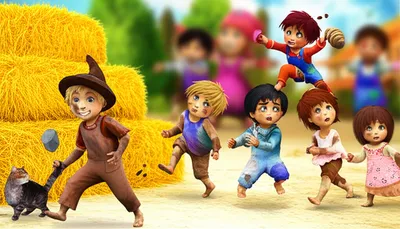
noun🔗Share말썽꾸러기 아이, 버릇없는 아이(by extension) An unruly, badly educated child."The teacher sighed, exasperated. "That pagan needs to learn some respect." "선생님은 짜증이 나서 한숨을 쉬었다. "저 버릇없는 아이는 존경심을 배워야 해.characterhumanpersonattitudeeducationChat with AIVocabulary GamePractice Reading
adjective🔗Share이교도의, 이교적인Relating to, characteristic of religions that differ from main world religions."Many converted societies transformed their pagan deities into saints."많은 개종한 사회들이 그들의 이교 신들을 성인으로 변형시켰다.religionculturehistoryChat with AIVocabulary GamePractice Reading
adjective🔗Share이교도의, 야만적인, 무자비한(by extension) Savage, immoral, uncivilized, wild."The rumors about the new student painted him as a pagan, wild and uncivilized, but he was actually just shy. "새로운 학생에 대한 소문은 그를 이교도적이고, 야만적이며, 무자비한 사람으로 묘사했지만, 사실 그는 단지 수줍음이 많았다.culturemoralreligionhistoryattitudevaluesocietyChat with AIVocabulary GamePractice Reading