







noun🔗Share거부, 기각Something that is rejected."The teacher's rejection of the student's late project was noted in the gradebook. "교사의 학생의 늦은 프로젝트 거부는 성적부에 기록되었다.itemthingessentialieltstoeicChat with AIVocabulary GamePractice Reading
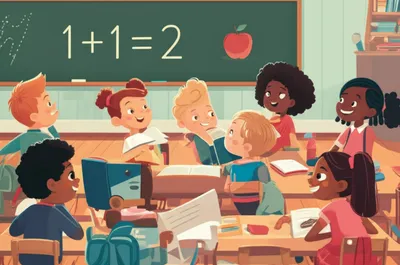
noun🔗Share거부된 사람, 따돌림 받는 사람An unpopular person."The new student was a social reject; no one wanted to be friends with him. "새로운 학생은 사회적으로 거부된 사람이었다. 아무도 그와 친구가 되기를 원하지 않았다.personcharactersocietyessentialieltstoeicChat with AIVocabulary GamePractice Reading
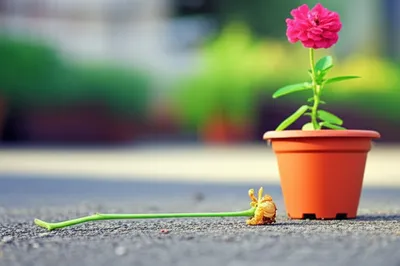
noun🔗Share불량품, 폐기물A rejected defective product in a production line"The factory manager counted the rejects from the production line. "공장 관리자는 생산 라인에서 불량품을 세었습니다.itemmachinetechnicalbusinessindustryqualityessentialieltstoeicChat with AIVocabulary GamePractice Reading
verb🔗Share거절하다, 거부하다To refuse to accept."She even rejected my improved offer."그녀는 심지어 나의 개선된 제안을 거절했다.actionbusinessessentialieltstoeicChat with AIVocabulary GamePractice Reading
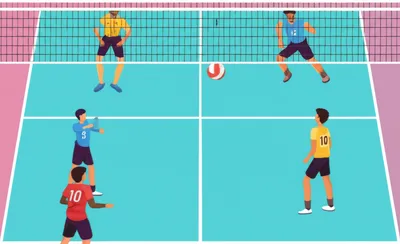
verb🔗Share거부하다, 막다To block a shot, especially if it sends the ball off the court."The volleyball player rejected the powerful spike, sending the ball out of bounds. "배구 선수는 강력한 스파이크를 막아 공을 아웃시켰다."The goalie rejected the shot, sending the ball flying out of bounds. "골키퍼가 슛을 막아 공이 아웃되었습니다.sportactionessentialieltstoeicChat with AIVocabulary GamePractice Reading
verb🔗Share거절하다, 퇴짜놓다To refuse a romantic advance."My classmate, Sarah, rejected my invitation to go to the movies after school. "내 급우 사라가 방과 후 영화 보러 가자는 내 초대를 거절했다.humanemotionsexattitudemindessentialieltstoeicChat with AIVocabulary GamePractice Reading