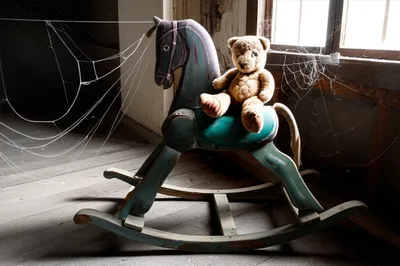
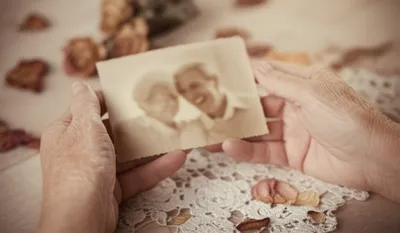
noun 다운로드 🔗공유 유물, 잔해 That which remains; that which is left after loss or decay; a remaining portion. Examples : "The old photograph album was a relic of my childhood. " 오래된 사진 앨범은 내 어린 시절의 유물이었다. history archaeology past toefl AI와 채팅어휘 게임독해 연습
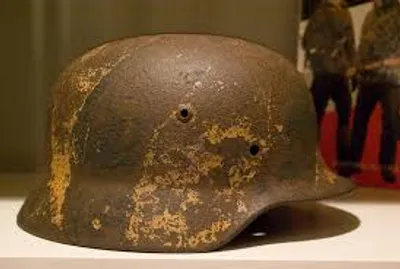
noun 다운로드 🔗공유 유물, 유적 Something old and outdated, possibly kept for sentimental reasons. Examples : "My grandmother's antique tea set is a relic of a bygone era, but I treasure it because it reminds me of her. " 할머니의 골동품 찻잔 세트는 지나간 시대의 유물이지만, 할머니를 생각나게 해서 소중히 여깁니다. history tradition age archaeology culture past toefl AI와 채팅어휘 게임독해 연습
noun 다운로드 🔗공유 유물, 성유물 A part of the body of a saint, or an ancient religious object, kept for veneration. Examples : "The church displayed a beautiful, ancient relic, a piece of wood said to have touched Saint Catherine's cloak. " 교회는 성 카테리나의 망토에 닿았다고 전해지는 나무 조각인 아름다운 고대 유물을 전시했다. religion history body archaeology theology culture toefl AI와 채팅어휘 게임독해 연습
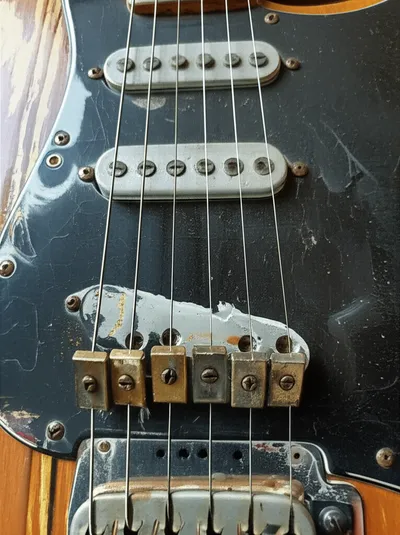
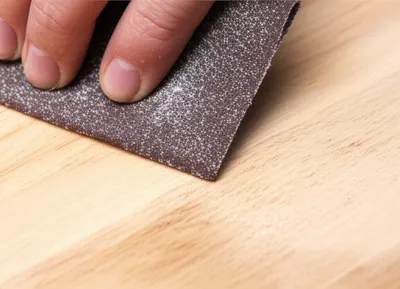
verb 다운로드 🔗공유 낡아 보이게 하다, 손상시키다 (often of guitars) To cause (an object) to appear old or worn, to distress. Examples : "To make her guitar look more vintage, Sarah relic'd it with sandpaper. " 사라는 기타를 더 빈티지하게 보이게 하려고 사포로 낡아 보이게 했다. appearance art style toefl AI와 채팅어휘 게임독해 연습