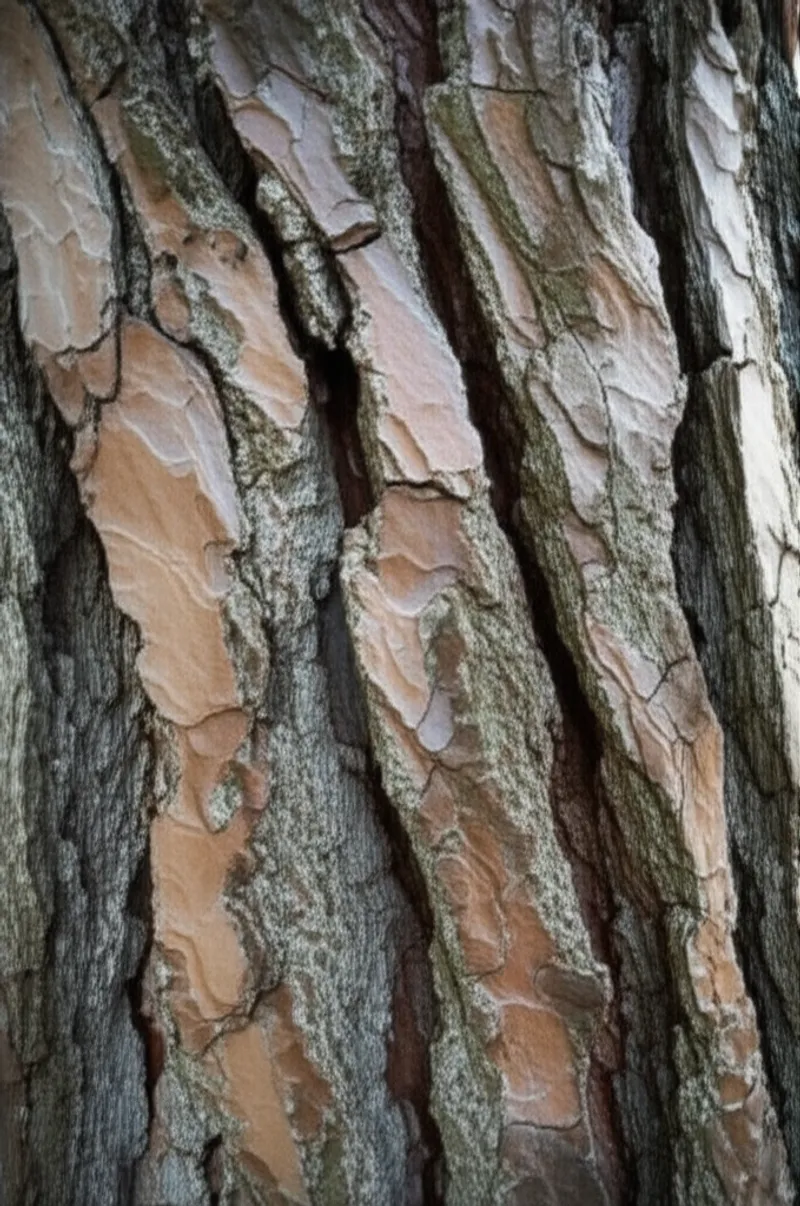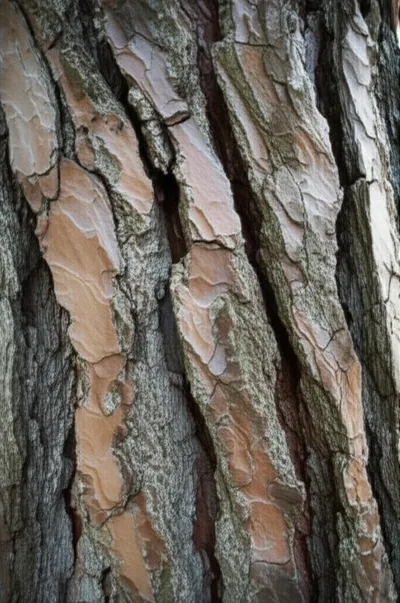
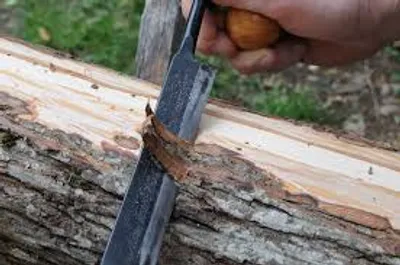

noun🔗Share나무 껍질Tree bark"The children peeled away some loose rind from the old oak tree in the park. "아이들은 공원 안에 있는 오래된 참나무에서 헐거운 나무 껍질을 벗겨냈다.plantmaterialbiologynaturepartChat with AIVocabulary GamePractice Reading
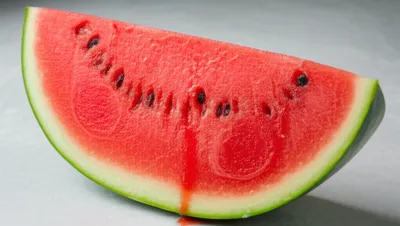
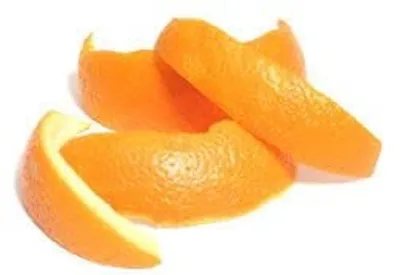
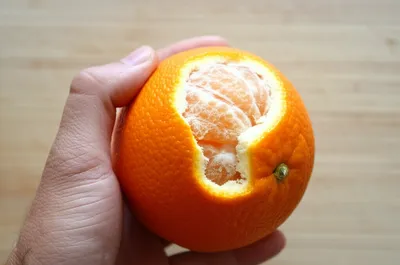
noun🔗Share껍질, 껍데기A hard, tough outer layer, particularly on food such as fruit, cheese, etc"The orange had a thick rind, so I peeled it carefully before eating it. "오렌지는 껍질이 두꺼워서 먹기 전에 조심스럽게 껍질을 벗겼다.foodmaterialChat with AIVocabulary GamePractice Reading
noun🔗Share껍질, 겉껍질, 뻔뻔함(usually "the") The gall, the crust, the insolence; often as "the immortal rind""The student's rude comments were like a hard rind, irritating everyone around them. "학생의 무례한 발언은 딱딱한 겉껍질 같아서 주변 사람들을 짜증나게 했다.characterattitudeChat with AIVocabulary GamePractice Reading
verb🔗Share껍질을 벗기다To remove the rind from."Before making the jam, she had to rind the oranges. "잼을 만들기 전에, 그녀는 오렌지 껍질을 벗겨야 했다.foodutensilactionChat with AIVocabulary GamePractice Reading
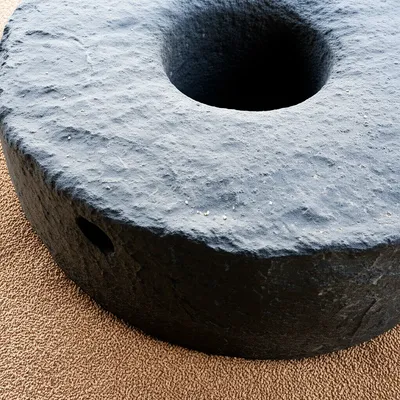
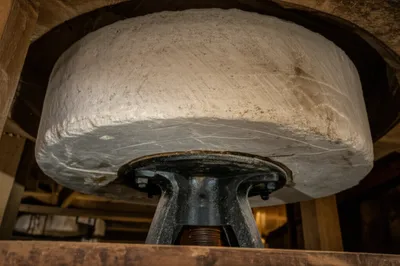
noun🔗Share쇠 지지대An iron support fitting used on the upper millstone of a grist mill."The miller carefully adjusted the rind on the upper millstone to ensure a consistent grind. "제분업자는 일정한 분쇄를 보장하기 위해 윗맷돌의 쇠 지지대를 조심스럽게 조정했습니다.agriculturemachineutensiltechnicalitemChat with AIVocabulary GamePractice Reading