noun 다운로드 🔗공유 쓰레기, 폐기물, 찌꺼기 Refuse, waste, garbage, junk, trash. Examples : "The rubbish is collected every Thursday in Gloucester, but on Wednesdays in Cheltenham." 쓰레기는 글래스터에서는 매주 목요일에 수거되지만, 첼튼엄에서는 수요일에 수거됩니다. environment material AI와 채팅어휘 게임독해 연습
noun 다운로드 🔗공유 쓰레기, 폐물 (by extension) An item, or items, of low quality. Examples : "Much of what they sell is rubbish." 그들이 파는 것의 대부분은 쓰레기입니다. quality item thing AI와 채팅어휘 게임독해 연습
noun 다운로드 🔗공유 헛소리, 허튼 소리 (by extension) Nonsense. Examples : "Everything the teacher said during that lesson was rubbish. How can she possibly think that a bass viol and a cello are the same thing?" 선생님이 그 수업 시간에 말한 모든 것은 헛소리였다. 어떻게 그녀는 더블베이스와 첼로가 같은 것이라고 생각할 수 있을까? attitude communication language statement AI와 채팅어휘 게임독해 연습
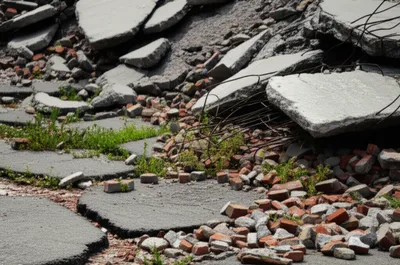
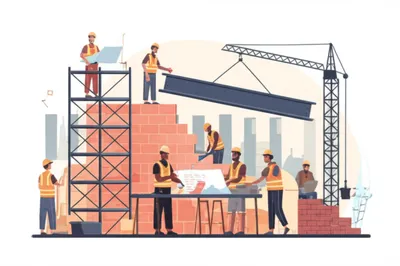
noun 다운로드 🔗공유 잔해, 폐허 Debris or ruins of buildings. Examples : "After the earthquake, the town square was filled with the rubbishes of collapsed shops and houses. " 지진 후, 마을 광장은 무너진 상점과 집들의 잔해로 가득 찼다. architecture building disaster AI와 채팅어휘 게임독해 연습
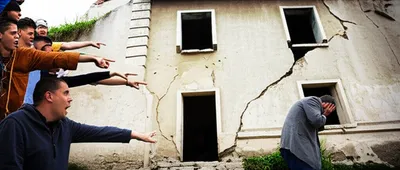
verb 다운로드 🔗공유 비난하다, 헐뜯다, 폄하하다 To criticize, to denigrate, to denounce, to disparage. Examples : "The manager frequently rubbishes his employees' ideas, making them feel discouraged. " 그 매니저는 직원들의 아이디어를 자주 비난하여 그들을 낙담하게 만든다. attitude language communication value negative AI와 채팅어휘 게임독해 연습