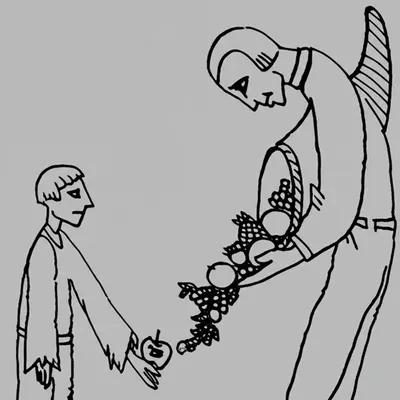
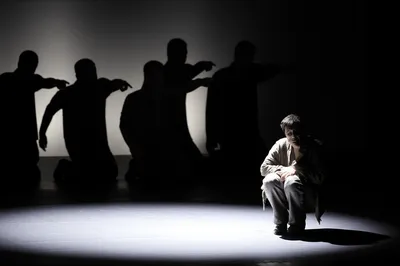
noun 다운로드 🔗공유 경멸, 멸시 Contempt or disdain. Examples : "The teacher's scorn for her student's laziness was evident in her harsh comments. " 선생님이 학생의 게으름에 대해 경멸하는 것은 그녀의 가혹한 발언에서 분명히 드러났다. attitude emotion character moral society AI와 채팅어휘 게임독해 연습
noun 다운로드 🔗공유 경멸, 멸시 A display of disdain; a slight. Examples : "Her scorn for the project was evident in her dismissive tone. " 그녀의 프로젝트에 대한 경멸은 그녀의 무시하는 어조에서 분명히 드러났다. attitude emotion character AI와 채팅어휘 게임독해 연습
noun 다운로드 🔗공유 경멸의 대상, 조롱거리 An object of disdain, contempt, or derision. Examples : "The teacher's poorly-explained lesson was a scorn for the struggling students. " 교사의 형편없는 설명은 어려움을 겪는 학생들에게 경멸의 대상이었다. attitude emotion character moral AI와 채팅어휘 게임독해 연습
verb 다운로드 🔗공유 경멸하다, 멸시하다 To feel or display contempt or disdain for something or somebody; to despise. Examples : "The teacher scorned the student's lazy approach to homework. " 선생님은 학생의 게으른 숙제 방식을 경멸했다. attitude emotion character moral AI와 채팅어휘 게임독해 연습
verb 다운로드 🔗공유 거절하다, 멸시하다 To reject, turn down. Examples : "He scorned her romantic advances." 그는 그녀의 로맨틱한 접근을 거절했다. attitude character value emotion AI와 채팅어휘 게임독해 연습
verb 다운로드 🔗공유 경멸하다, 거부하다 To refuse to do something, as beneath oneself. Examples : "She scorned to show weakness." 그녀는 약점을 보이는 것을 거부했다. attitude character emotion moral AI와 채팅어휘 게임독해 연습
verb 다운로드 🔗공유 경멸하다, 비웃다 To scoff, to express contempt. Examples : "The teacher scorned the student's poorly written essay, dismissing it as unoriginal. " 선생님은 학생의 형편없는 에세이를 경멸하며 독창적이지 않다고 일축했다. attitude emotion character moral AI와 채팅어휘 게임독해 연습