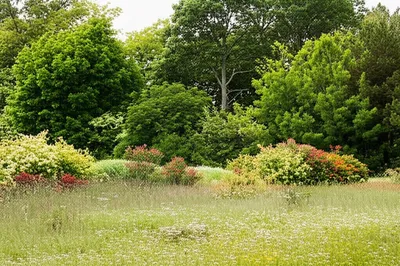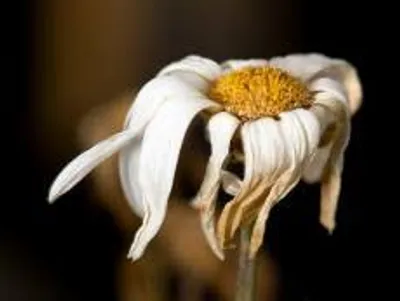
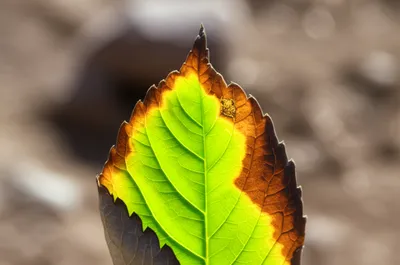
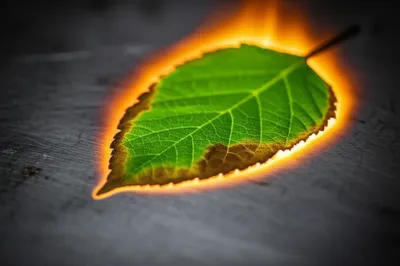
adjective🔗Share마른, 시든Dry; withered, especially of vegetation."The sear leaves crunched underfoot as we walked through the autumn park. "마른 잎이 가을 공원을 걸을 때 발 밑에서 바스락거렸다.environmentnatureweatherplantChat with AIVocabulary GamePractice Reading
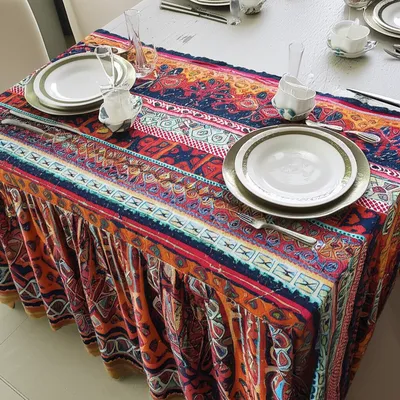
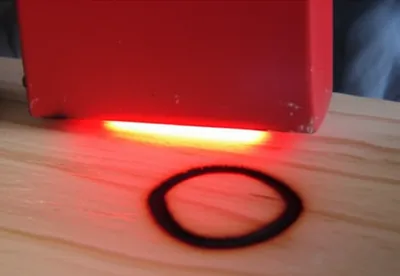
noun🔗Share그을린 자국, 흉터A scar produced by searing"The hot iron left a noticeable sear on the tablecloth. "뜨거운 다리미는 식탁보에 눈에 띄는 그을린 자국을 남겼다.medicineappearancebodymarkChat with AIVocabulary GamePractice Reading
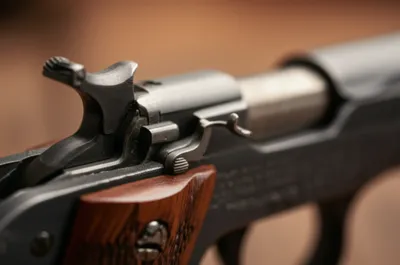
noun🔗Share시어Part of a gun that retards the hammer until the trigger is pulled."The gunsmith carefully inspected the sear to ensure it would reliably hold the hammer. "총포상은 해머를 안정적으로 고정하는지 확인하기 위해 시어를 주의 깊게 검사했습니다.partweapontechnicalmilitarymachinedeviceChat with AIVocabulary GamePractice Reading
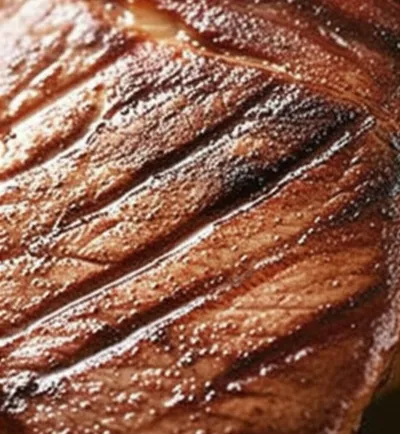
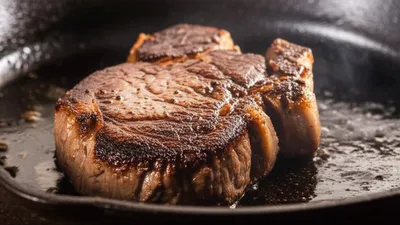
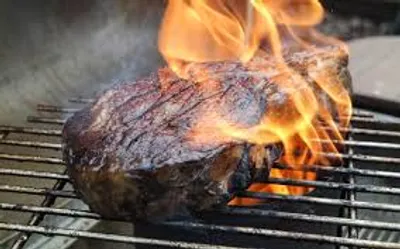
verb🔗Share지지다, 태우다To char, scorch, or burn the surface of (something) with a hot instrument."The chef used a hot iron to sear the steak, creating a flavorful crust. "요리사는 뜨거운 철판을 사용하여 스테이크를 지져서 풍미 있는 껍질을 만들었습니다.actionprocessappearancefoodChat with AIVocabulary GamePractice Reading
verb🔗Share시들다, 마르다To wither; to dry up."The intense summer heat began to sear the grass, turning it brown and brittle. "강렬한 여름 더위가 풀을 시들게 하기 시작하여 갈색으로 변하고 부서지기 쉽게 만들었다.natureweatherbiologyplantenvironmentChat with AIVocabulary GamePractice Reading
verb🔗Share무감각하게 만들다, 굳게 하다To make callous or insensible."The constant criticism from her teachers slowly seared her into a state of apathy about her studies. "선생님들의 끊임없는 비판은 그녀를 서서히 무감각하게 만들어 학업에 대한 무관심 상태로 만들었다.mindbodyphysiologyChat with AIVocabulary GamePractice Reading
verb🔗Share지지다, 태우다To mark permanently, as if by burning."The events of that day were seared into her memory."그날의 사건들은 그녀의 기억 속에 새겨졌다.markactionprocessChat with AIVocabulary GamePractice Reading