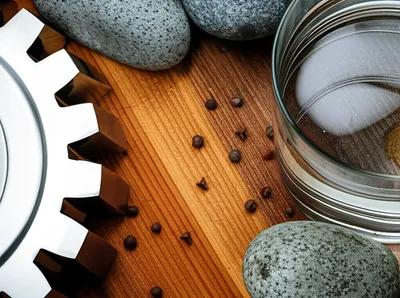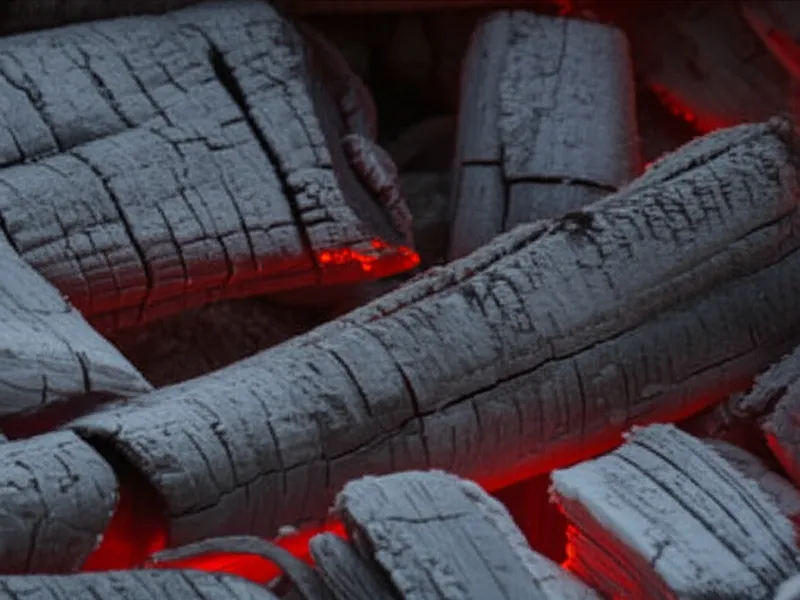

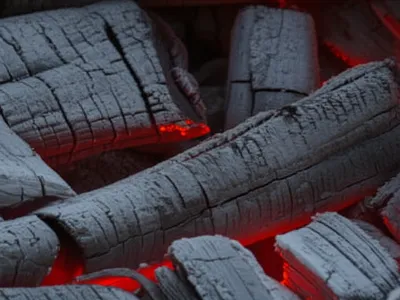
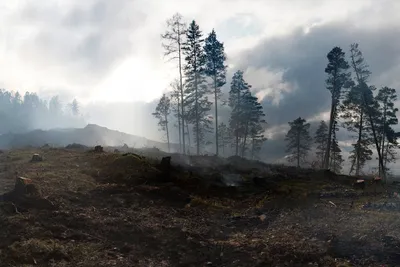
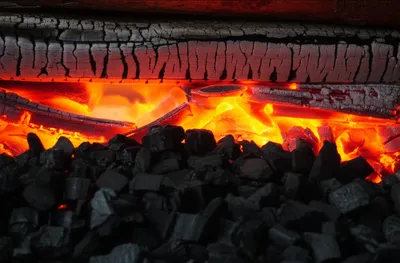
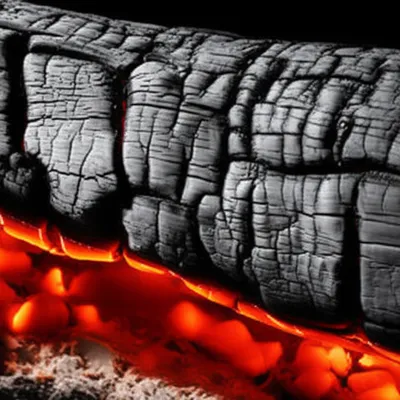




noun🔗Share탄, 숯A charred substance."The fire left a dark char on the wooden fence post. "불은 나무 울타리 기둥에 검은 숯을 남겼다.substancematerialChat with AIVocabulary GamePractice Reading
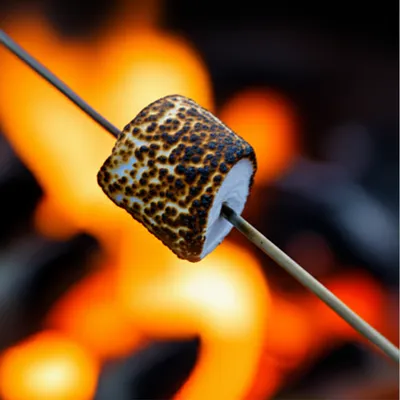
verb🔗Share숯으로 만들다, 태우다To burn something to charcoal."He used a blowtorch to char the bell peppers, giving them a smoky flavor. "그는 피망을 숯으로 만들어 매캐한 맛을 내기 위해 토치를 사용했다.energymaterialprocessChat with AIVocabulary GamePractice Reading
verb🔗Share그을리다, 숯이 되다To burn slightly or superficially so as to affect colour."The edges of the toast were charred slightly in the toaster. "토스터 안에서 토스트 가장자리가 약간 그을렸다.appearancecolorChat with AIVocabulary GamePractice Reading
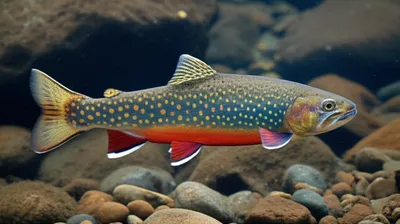
noun🔗Share차르One of the several species of fishes of the genus Salvelinus."Among other native delicacies, they give you fresh char."다른 토속 음식과 함께 신선한 차르를 제공합니다."Among other native delicacies, they give you fresh char."다른 토산 음식과 함께 신선한 차르를 제공합니다.fishChat with AIVocabulary GamePractice Reading
🔗Share탄, 숯A charred substance."The campfire left a pile of char on the ground. "캠프파이어는 땅에 숯 더미를 남겼다.substancematerialChat with AIVocabulary GamePractice Reading
🔗Share차르One of the several species of fishes of the genus Salvelinus."My uncle loves to fish in Canada for char, a type of salmon-like fish. "내 삼촌은 연어와 비슷한 종류의 물고기인 차르를 잡기 위해 캐나다에서 낚시하는 것을 좋아한다.fishChat with AIVocabulary GamePractice Reading
noun🔗Share때, 차례A time; a turn or occasion."My char for helping with the dishes is tonight. "오늘 밤 설거지를 돕는 제 차례입니다.timeeventChat with AIVocabulary GamePractice Reading
noun🔗Share일, 업무A turn of work; a labour or item of business."My weekly char involves vacuuming the living room and dusting the shelves. "내 주간 업무는 거실 청소기와 선반 먼지 털기를 포함합니다.workbusinessjobitemChat with AIVocabulary GamePractice Reading
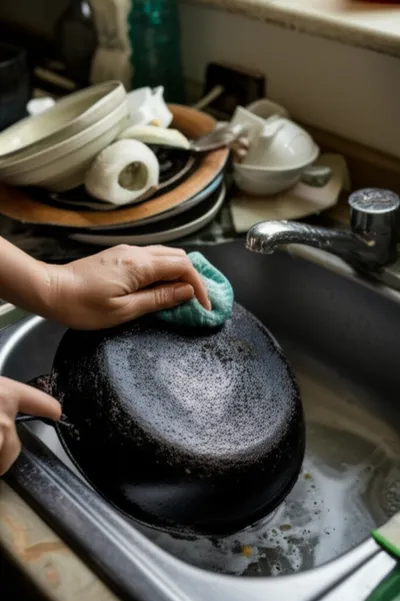
noun🔗Share잡일, 허드렛일An odd job, a chore or piece of housework."Washing the dishes was a char my brother had to do after dinner. "설거지는 저녁 식사 후에 남동생이 해야 할 잡일이었다.jobworkChat with AIVocabulary GamePractice Reading
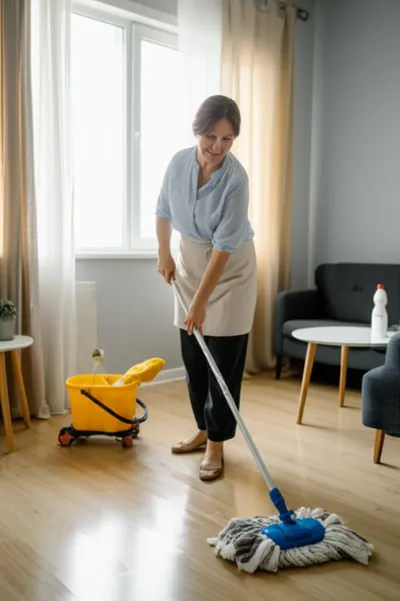
noun🔗Share청소부, 가정부A charlady, a woman employed to do housework; cleaning lady."Mrs. Higgins was a reliable char who came to clean our house every Friday. "히긴스 부인은 매주 금요일 우리 집을 청소하러 오는 믿음직한 청소부였습니다.jobpersonworkChat with AIVocabulary GamePractice Reading
verb🔗Share돌다, 방향을 바꾸다To turn, especially away or aside."The teacher charted the students to different seats to improve classroom organization. "선생님은 교실 정돈을 위해 학생들에게 다른 자리에 앉도록 지시했다.actionwayChat with AIVocabulary GamePractice Reading
verb🔗Share일하다, 가사 일을 하다To work, especially to do housework; to work by the day, without being a regularly hired servant."My grandmother used to char for families in the summer, earning money to help with household expenses. "우리 할머니는 여름에 가족들을 위해 가사 일을 하셨고, 집안 살림에 보탬이 되도록 돈을 버셨다.jobworkChat with AIVocabulary GamePractice Reading
verb🔗Share수행하다, 하다To perform; to do; to finish."The student charted his homework assignments for the week. "그 학생은 이번 주 숙제를 수행했다.actionachievementworkChat with AIVocabulary GamePractice Reading
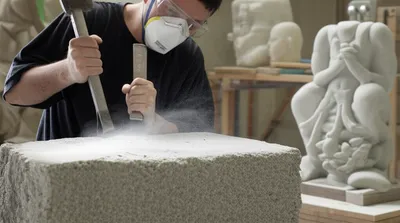
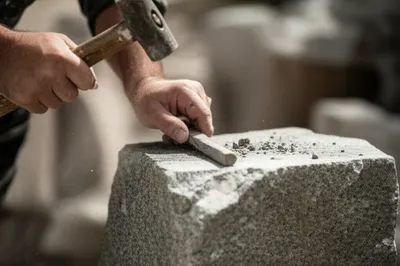
verb🔗Share깎다, 새기다To work or hew (stone, etc.)."The stonemason char the large, rough blocks of granite into even, usable shapes. "석공은 크고 거친 화강암 블록을 균일하고 사용 가능한 모양으로 깎습니다.workmaterialbuildingindustryChat with AIVocabulary GamePractice Reading
noun🔗Share문자A character (text element such as a letter or symbol)."My email address uses the "@" char. "내 이메일 주소는 "@" 문자를 사용합니다.computinglanguagewritingChat with AIVocabulary GamePractice Reading
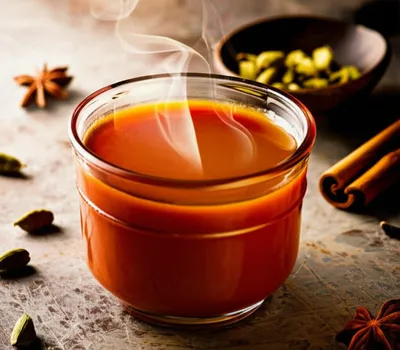
noun🔗Share차Tea, sometimes specifically masala chai"Would you like a cup of cha?"차 한 잔 하시겠어요?drinkfoodChat with AIVocabulary GamePractice Reading
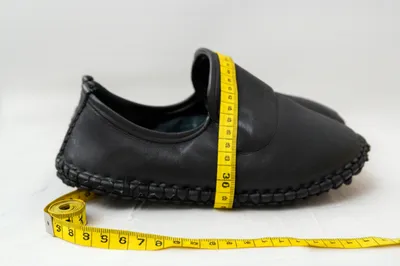
noun🔗Share한국 척Synonym of Korean foot: a traditional unit of length equivalent to about 30.3 cm."The teacher explained that a Korean char is about 30 centimeters long. "선생님은 한국 척이 약 30센티미터라고 설명했다.unittraditionculturehistoryChat with AIVocabulary GamePractice Reading