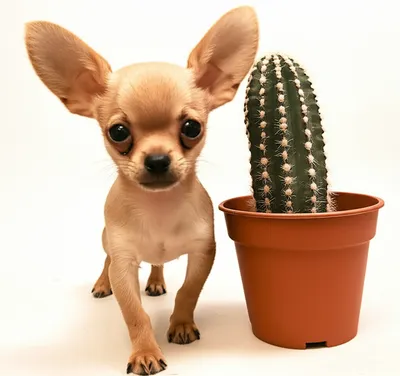
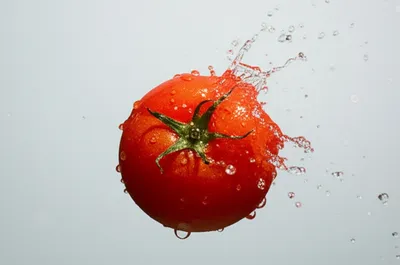
verb 다운로드 🔗공유 튄다, 튀기다 To splash (someone or something) with small droplets. Examples : "When my wet chihuahua shook himself, I was spattered with smelly water." 젖은 치와와가 몸을 흔들었을 때, 나는 냄새나는 물로 튀었다. action appearance AI와 채팅어휘 게임독해 연습
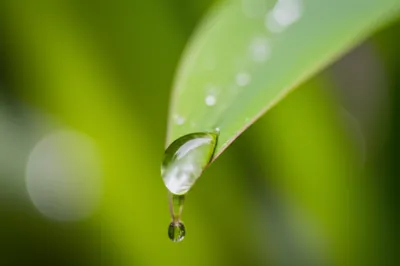
verb 다운로드 🔗공유 튄 자국을 내다, 흩뿌리다 To cover, or lie upon (something) by having been scattered, as if by splashing. Examples : "The rain spattered the window with tiny drops of water. " 비가 창문에 작은 물방울을 흩뿌렸다. appearance action nature AI와 채팅어휘 게임독해 연습
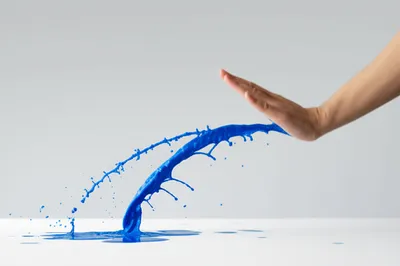
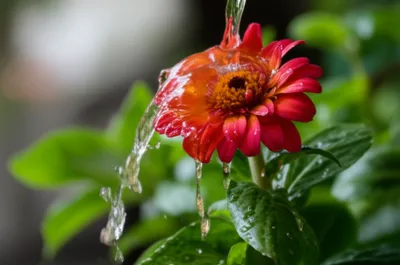
verb 다운로드 🔗공유 튄다, 흩뿌리다 To distribute (a liquid) by sprinkling; to sprinkle around. Examples : "to spatter blood" 피를 튄다 action nature AI와 채팅어휘 게임독해 연습
verb 다운로드 🔗공유 튀기다, 흩뿌리다 To send out or disperse (something) as if in droplets. Examples : "The muddy truck tires were spattering the sidewalk with dirty water. " 진흙 투성이 트럭 타이어가 보도에 더러운 물을 튀기고 있었다. action process AI와 채팅어휘 게임독해 연습
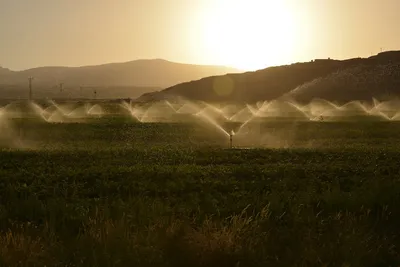
verb 다운로드 🔗공유 튀기다, 흩뿌리다 To send out small droplets; to splash in small droplets (on or against something). Examples : "Make sure the pieces of fish are dry before you put them into the hot oil so that it doesn’t spatter." 생선 조각이 튀지 않도록 뜨거운 기름에 넣기 전에 말리십시오. nature weather action physics AI와 채팅어휘 게임독해 연습
verb 다운로드 🔗공유 비방하다, 중상하다 To injure by aspersion; to defame. Examples : "The politician was accused of spattering his opponent's reputation with lies during the campaign. " 그 정치인은 선거 운동 기간 동안 거짓말로 상대방의 명성을 비방한 혐의를 받았다. communication language word character AI와 채팅어휘 게임독해 연습
noun 다운로드 🔗공유 튄 자국, 얼룩 Something spattered. Examples : "spatterings of mud" 진흙 얼룩 appearance material substance AI와 채팅어휘 게임독해 연습