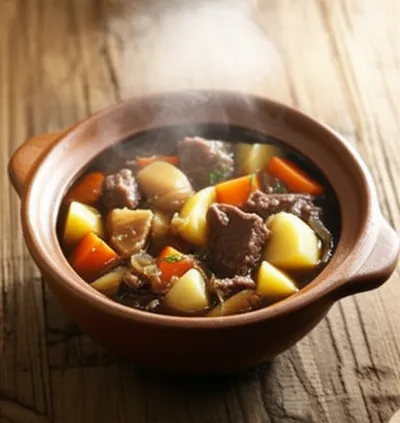
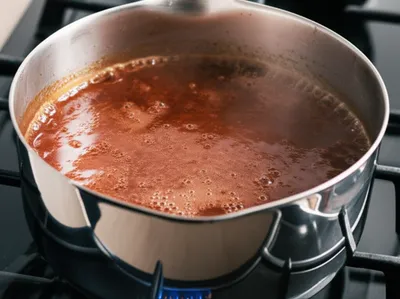
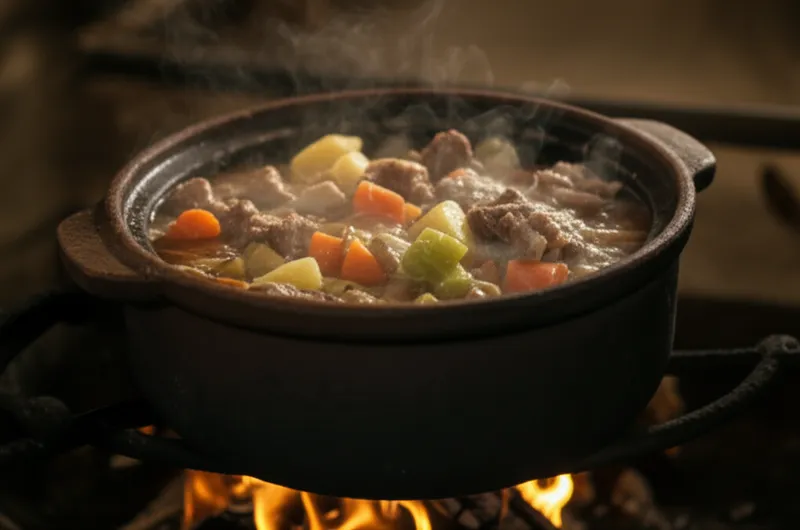
verb 다운로드 🔗공유 조리다, 끓이다 To cook (food) by slowly boiling or simmering. Examples : "My grandmother stewed the apples with cinnamon and sugar until they were soft and fragrant. " 할머니는 사과를 계피와 설탕으로 조려 부드럽고 향긋해질 때까지 요리하셨다. food utensil action AI와 채팅어휘 게임독해 연습
verb 다운로드 🔗공유 너무 오래 우려내다 To brew (tea) for too long, so that the flavour becomes too strong. Examples : "I accidentally stewed the tea this morning, so it tastes bitter. " 오늘 아침에 실수로 차를 너무 오래 우려내서 맛이 써. drink food AI와 채팅어휘 게임독해 연습
verb 다운로드 🔗공유 찌다, 끓이다 To suffer under uncomfortably hot conditions. Examples : "The children stewed in the stuffy classroom, unable to concentrate because of the oppressive heat. " 아이들은 답답한 교실에서 찌는 듯한 더위에 집중할 수 없었다. condition weather suffering AI와 채팅어휘 게임독해 연습
verb 다운로드 🔗공유 안절부절못하다, 초조해하다 To be in a state of elevated anxiety or anger. Examples : "Seeing his low test score, Mark stewed in silence, worrying about failing the class. " 마크는 낮은 시험 점수를 보고 반에서 낙제할까 봐 걱정하며 조용히 안절부절못했다. emotion mind attitude AI와 채팅어휘 게임독해 연습
adjective 다운로드 🔗공유 조린, 끓인 Having been cooked by slowly boiling or simmering. See stew. Examples : "The stewed apples were soft and flavorful, perfect for a chilly evening. " 조린 사과는 부드럽고 풍미가 풍부하여 쌀쌀한 저녁에 완벽했습니다. food past participle AI와 채팅어휘 게임독해 연습
adjective 다운로드 🔗공유 술에 취한, 만취한 Intoxicated by an excess of alcohol. Examples : "After the office party, he was completely stewed and couldn't remember how he got home. " 회사 파티 후, 그는 완전히 술에 취해 집으로 어떻게 갔는지 기억하지 못했다. drink condition sensation AI와 채팅어휘 게임독해 연습
adjective 다운로드 🔗공유 오래 우린, 쓴 (Of tea) Bitter from having been steeped too long. Examples : "The tea, having sat in the pot all morning, tasted stewed and bitter. " 아침 내내 냄비에 담겨 있던 차는 오래 우러나 쓴맛이 났다. drink food AI와 채팅어휘 게임독해 연습