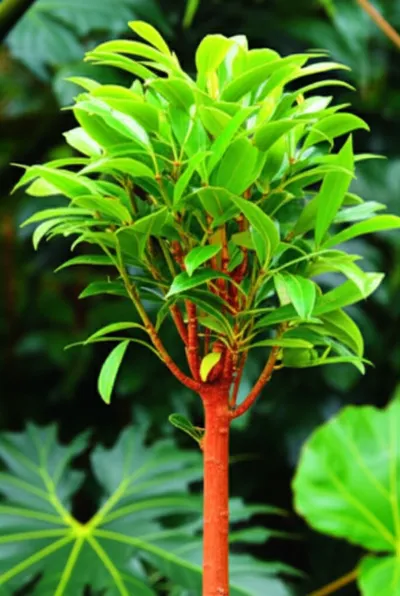
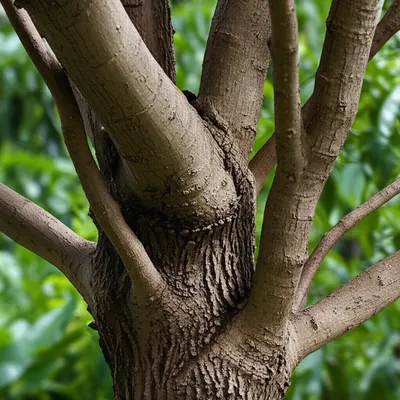
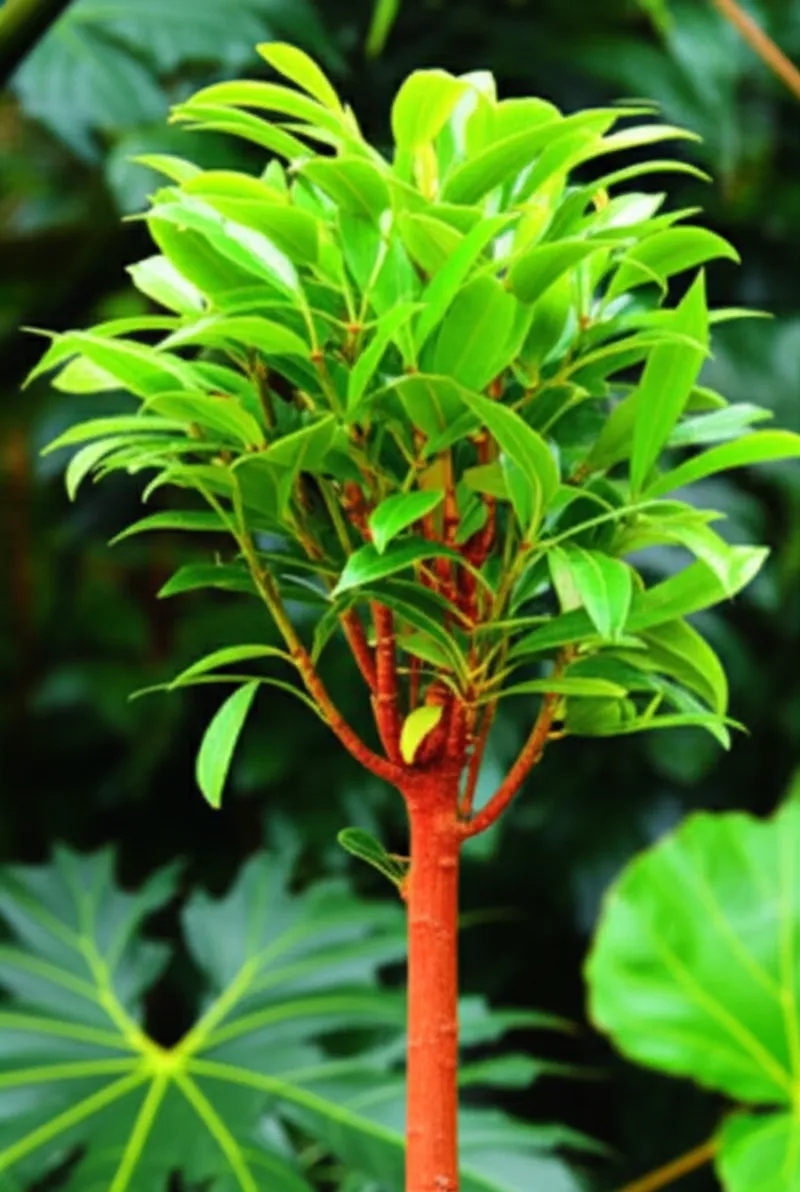
noun 다운로드 🔗공유 계피나무 A small evergreen tree native to Sri Lanka and southern India, Cinnamomum verum or Cinnamomum zeylanicum, belonging to the family Lauraceae. Examples : "The spice shop owner carefully selected cinnamon branches from the Cinnamomum tree. " 향신료 가게 주인은 계피나무에서 계피 가지를 신중하게 골랐다. plant food agriculture nature substance AI와 채팅어휘 게임독해 연습
noun 다운로드 🔗공유 계피 Several related trees, notably the Indonesian cinnamon (Cinnamomum burmanni) and Chinese cinnamon or cassia (Cinnamomum aromaticum or Cinnamomum cassia). Examples : "The spice rack held both cinnamon from Indonesia and cassia cinnamon from China, each with a slightly different flavor. " 향신료 랙에는 인도네시아산 계피와 중국산 카시아 계피가 모두 있었는데, 각각 약간 다른 풍미를 가지고 있었다. plant food agriculture material AI와 채팅어휘 게임독해 연습
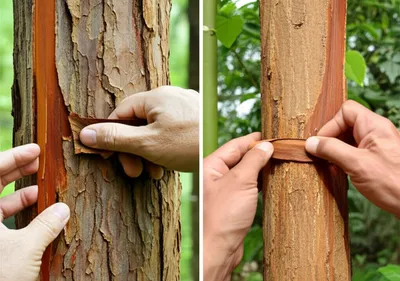
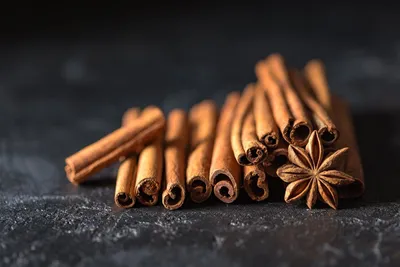
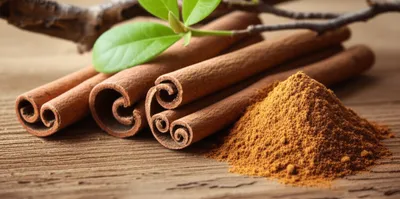
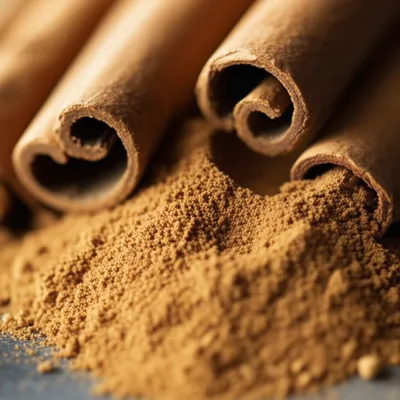
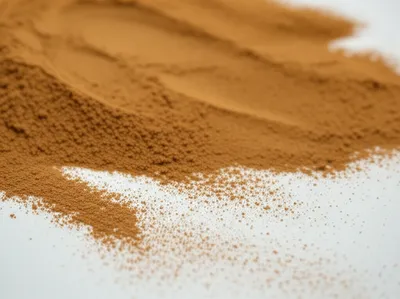
noun 다운로드 🔗공유 계피 A spice from the dried aromatic bark of the cinnamon tree, either rolled into strips or ground into a powder. The word is commonly used as trade name for spices made of any of the species above. Examples : "My grandmother uses cinnamon in her apple pie recipe. " 할머니는 사과 파이 레시피에 계피를 사용합니다. food plant substance agriculture AI와 채팅어휘 게임독해 연습
noun 다운로드 🔗공유 계피색 A warm yellowish-brown color, the color of cinnamon. Examples : "The new school uniform was a beautiful cinnamon color. " 새 학교 교복은 아름다운 계피색이었다. color appearance AI와 채팅어휘 게임독해 연습
adjective 다운로드 🔗공유 계피를 함유한, 계피 맛이 나는 Containing cinnamon, or having a cinnamon taste. Examples : "The apple pie had a warm, cinnamon flavor. " 사과 파이는 따뜻하고 계피 맛이 났다. food AI와 채팅어휘 게임독해 연습
adjective 다운로드 🔗공유 계피색의 Of a yellowish-brown color. Examples : "The teacher's hair was a rich, cinnamon color. " 선생님의 머리카락은 진한 계피색이었다. color AI와 채팅어휘 게임독해 연습