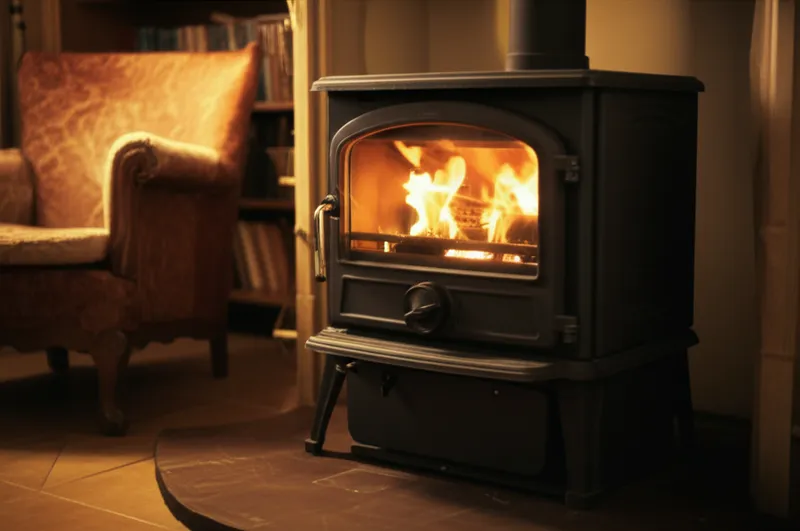
noun 다운로드 🔗공유 난로, 스토브 A heater, a closed apparatus to burn fuel for the warming of a room. Examples : "During the winter, our family uses two stoves to keep the house warm. " 겨울 동안, 우리 가족은 집을 따뜻하게 유지하기 위해 두 개의 난로를 사용합니다. utility device building technology AI와 채팅어휘 게임독해 연습
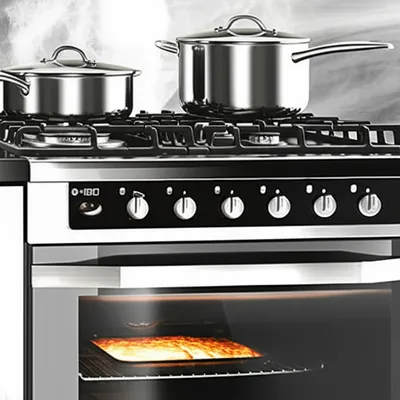
noun 다운로드 🔗공유 스토브, 난로 A device for heating food, (UK) a cooker. Examples : "The family used two stoves to cook Thanksgiving dinner. " 가족은 추수감사절 저녁 식사를 요리하기 위해 두 개의 스토브를 사용했다. device utensil food machine AI와 채팅어휘 게임독해 연습
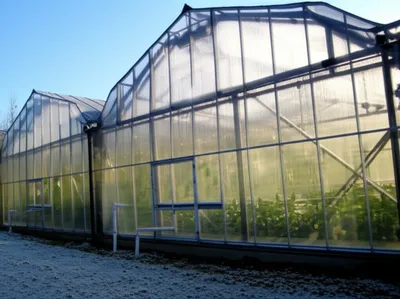
noun 다운로드 🔗공유 온실 A hothouse (heated greenhouse). Examples : "The botanist carefully monitored the temperature in the stoves to ensure the tropical orchids thrived, even in the winter. " 식물학자는 열대 난초가 겨울에도 번성할 수 있도록 온실의 온도를 주의 깊게 모니터링했습니다. agriculture plant building AI와 채팅어휘 게임독해 연습
noun 다운로드 🔗공유 난로 A house or room artificially warmed or heated. Examples : "Example sentence: "Old castles sometimes have stoves, but they're not like the stoves we use for cooking; they're special heated rooms to keep warm in the winter." " 오래된 성에는 난로가 있는 경우가 있지만, 요리에 사용하는 난로와는 다릅니다. 겨울에 따뜻하게 지낼 수 있도록 특별히 난방된 방입니다. utility device building AI와 채팅어휘 게임독해 연습
verb 다운로드 🔗공유 가열하다, 건조하다 To heat or dry, as in a stove. Examples : "to stove feathers" 깃털을 가열하다. utility technology machine AI와 채팅어휘 게임독해 연습
verb 다운로드 🔗공유 난방하다, 데우다 To keep warm, in a house or room, by artificial heat. Examples : "to stove orange trees" 오렌지 나무를 난방하다. utility building AI와 채팅어휘 게임독해 연습